
Top 5 Gardening Myths Debunked by BJ Mowing Experts


Myth 1: Watering Every Day is Essential
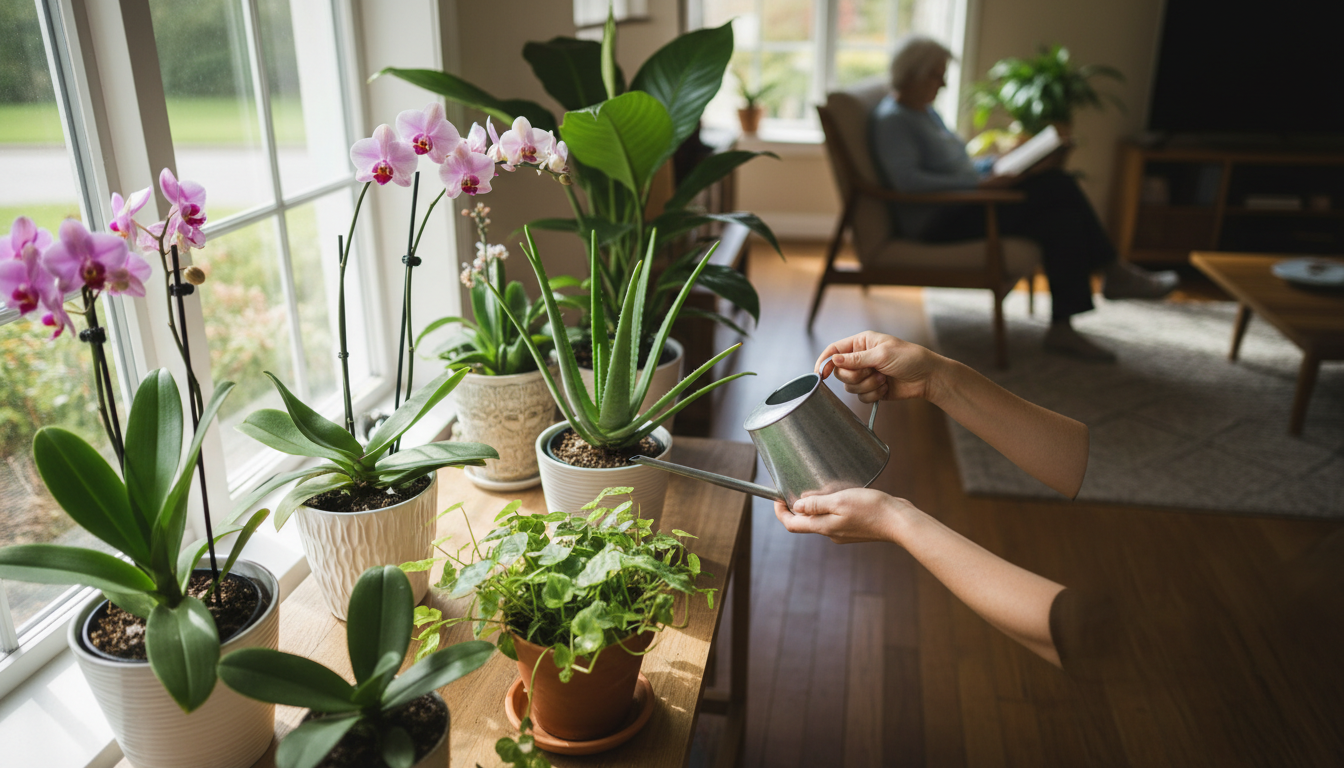
This common gardening myth suggests that plants need daily watering to thrive. However, BJ Mowing Experts emphasize that overwatering can be just as harmful as underwatering. Most plants prefer deep, infrequent watering to encourage strong root growth. Adjust your watering schedule based on the plant's needs and the climate.
Myth 2: Chemical Fertilizers are Better than Organic
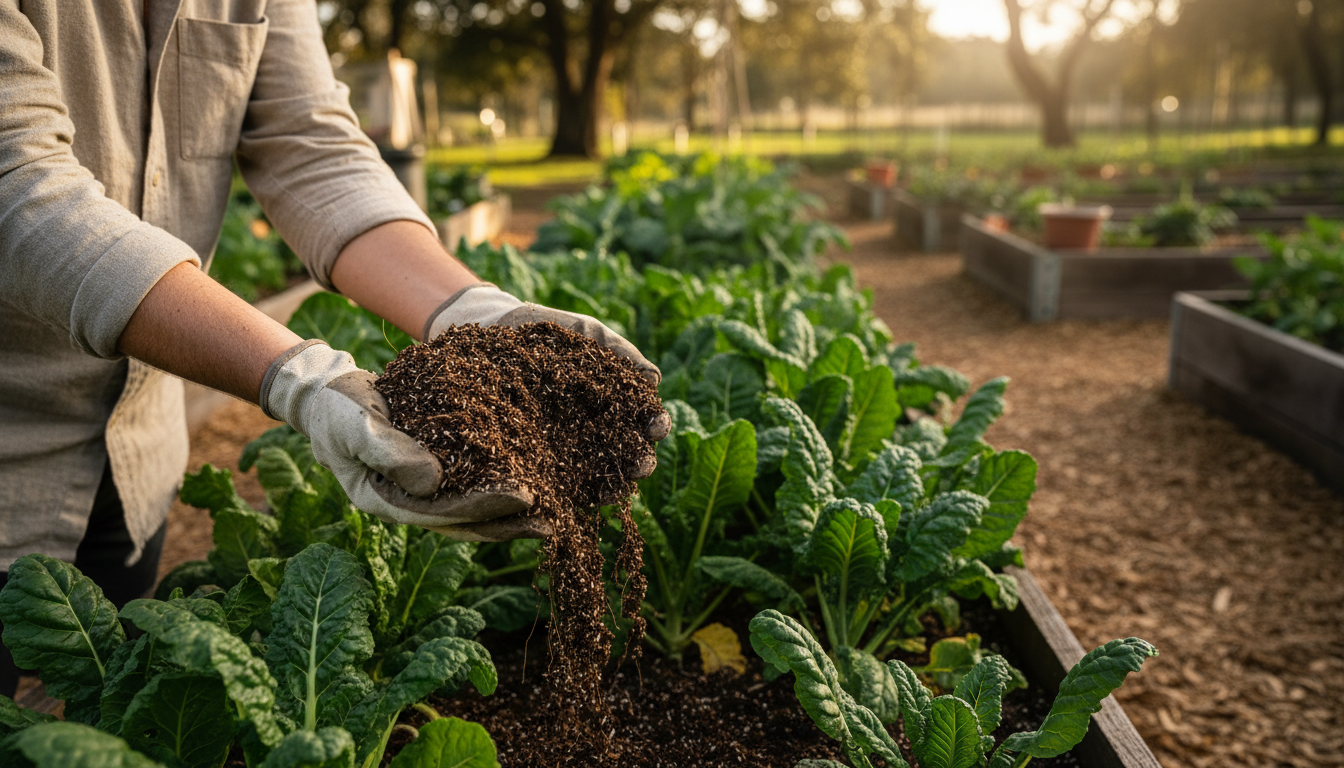
Many gardeners believe that synthetic fertilizers yield better results than organic ones. The truth is, organic fertilizers can improve soil health and provide a steady nutrient release. BJ Mowing Experts recommend using compost or organic manure to enrich your garden naturally.
Furthermore, organic options are often more environmentally friendly, supporting a sustainable garden ecosystem. Consider integrating composting into your routine to create a nutrient-rich soil base.
Myth 3: You Must Remove All Weeds
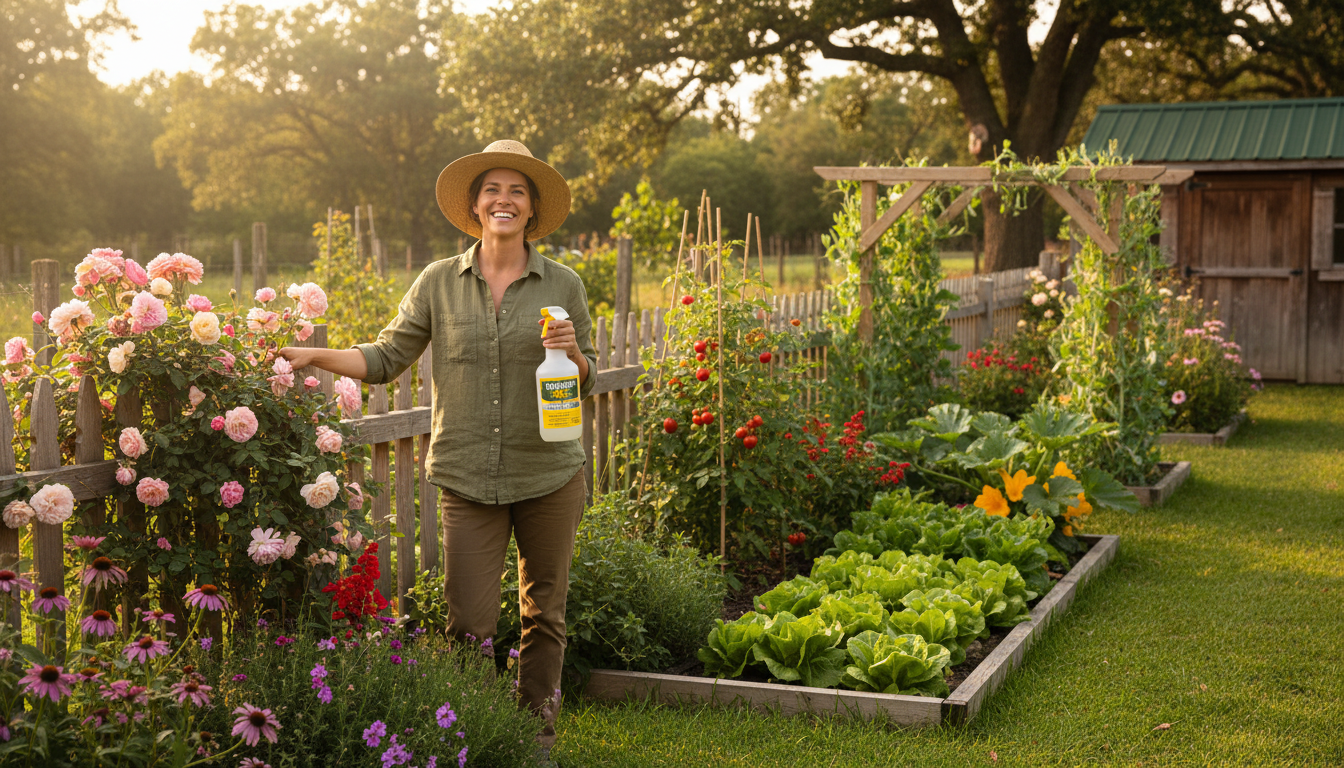
While it's essential to manage weeds, not all need to be eradicated. Some weeds can actually benefit your garden by providing habitat for beneficial insects. BJ Mowing Experts suggest identifying which weeds are truly harmful before deciding to remove them.
Strategically leaving certain weeds can contribute to a healthier garden ecosystem, reducing the need for chemical interventions.
Myth 4: Planting in Shade is Useless
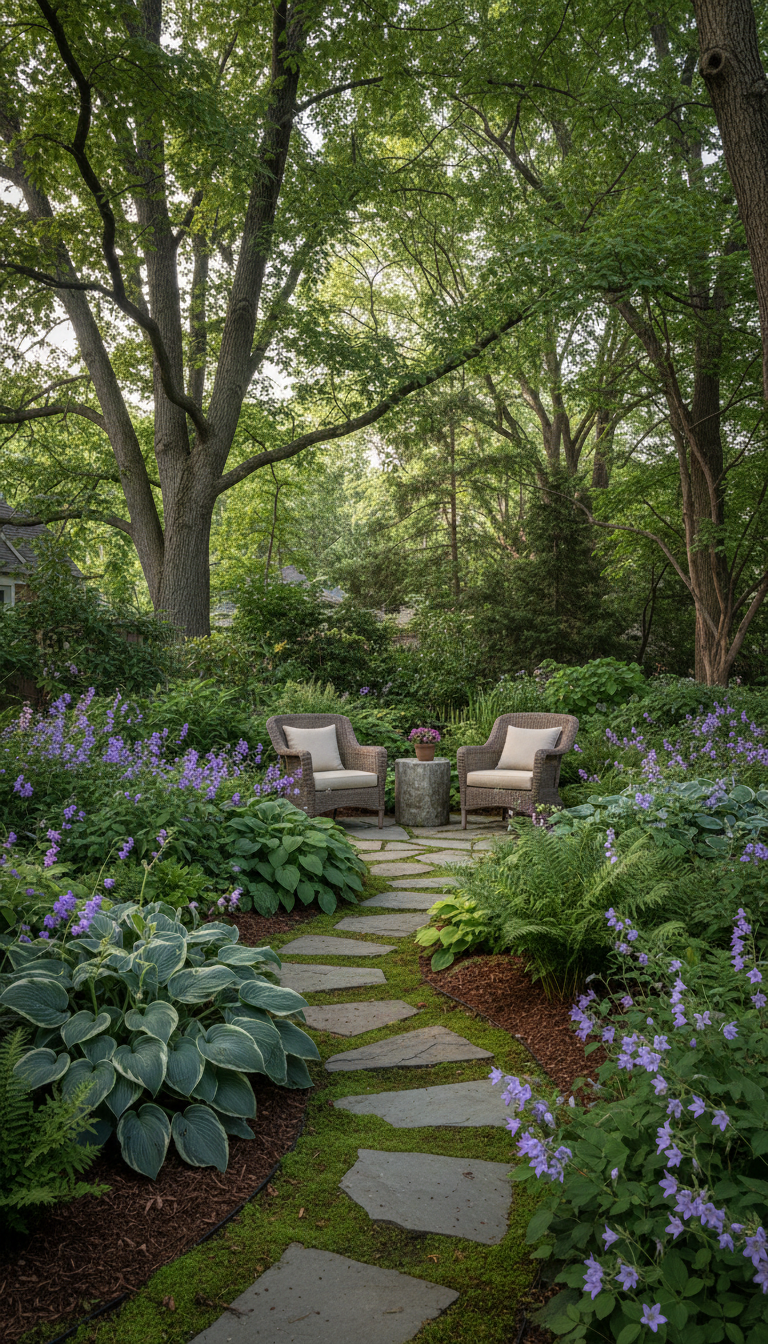
Many believe that plants cannot thrive in shaded areas, but this is far from the truth. Numerous plants, such as ferns and hostas, flourish in low-light conditions. BJ Mowing Experts recommend researching shade-loving plants to add diversity and beauty to your garden.
Shaded areas can also be used to create cool, restful garden spaces, perfect for relaxation during hot summer days.
Myth 5: More Mulch is Always Better
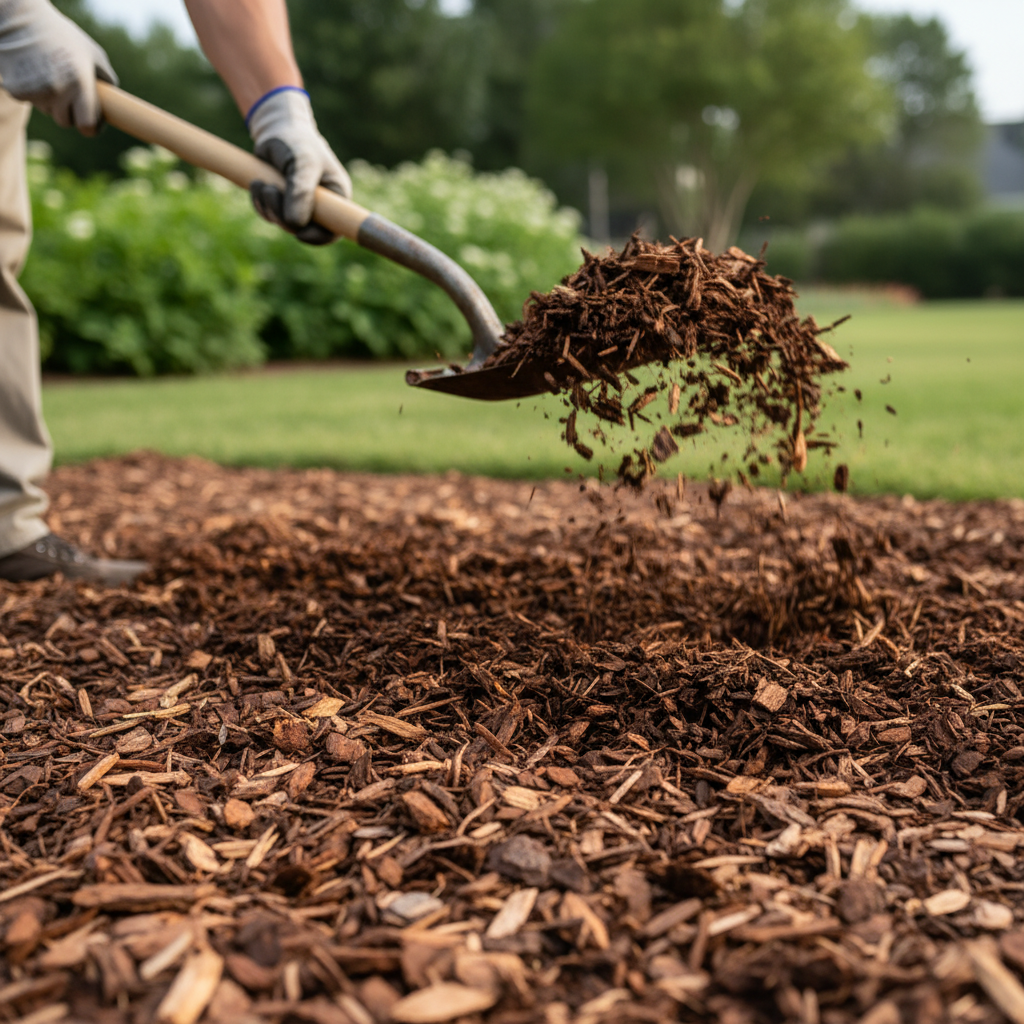
Mulch is undoubtedly beneficial for retaining moisture and suppressing weeds, but more is not always better. Applying too much mulch can suffocate plant roots and lead to rot. BJ Mowing Experts advise using a mulch layer between 2-4 inches thick for optimal results.
Choose mulch materials wisely, considering options like wood chips, straw, or bark, to suit your specific garden needs and aesthetic preferences.
By debunking these common myths, BJ Mowing Experts hope to empower gardeners with the knowledge needed to cultivate thriving, sustainable gardens. Remember, gardening is as much about experimentation and learning as it is about following guidelines.