
How to Prepare Your Garden for the Australian Summer


Understanding the Australian Climate
Preparing your garden for the Australian summer requires an understanding of the climate. With its hot, dry spells and occasional downpours, summer can be both a blessing and a challenge for gardeners. Knowing what to expect helps in planning and executing effective gardening strategies.

Choosing the Right Plants
One of the key steps in preparing your garden is selecting plants that can withstand the heat. Opt for native Australian plants, as they are naturally adapted to the local climate. Consider varieties like kangaroo paw, grevillea, and bottlebrush, which thrive in the summer heat.
Additionally, annuals such as marigolds and zinnias can add vibrant colors to your garden. Make sure to choose drought-resistant varieties to conserve water and ensure your garden remains lush.
Watering Wisely
Watering is crucial during the summer months. Aim to water your garden early in the morning or late in the afternoon to minimize evaporation. This helps the plants retain moisture and stay hydrated throughout the day.
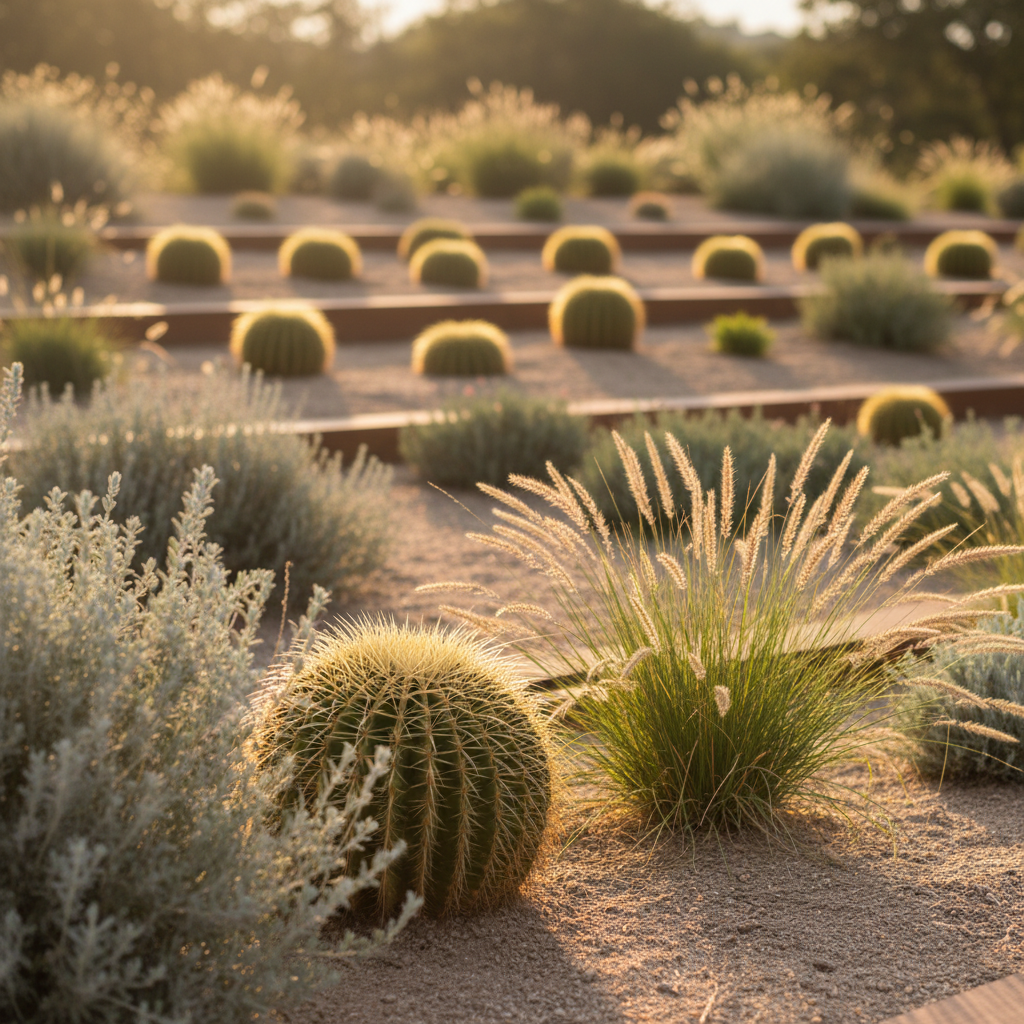
Implementing a drip irrigation system can be a smart move. It delivers water directly to the roots, reducing wastage and ensuring efficient use of water. Mulching is another effective technique to retain moisture and keep the soil cool.
Soil Preparation
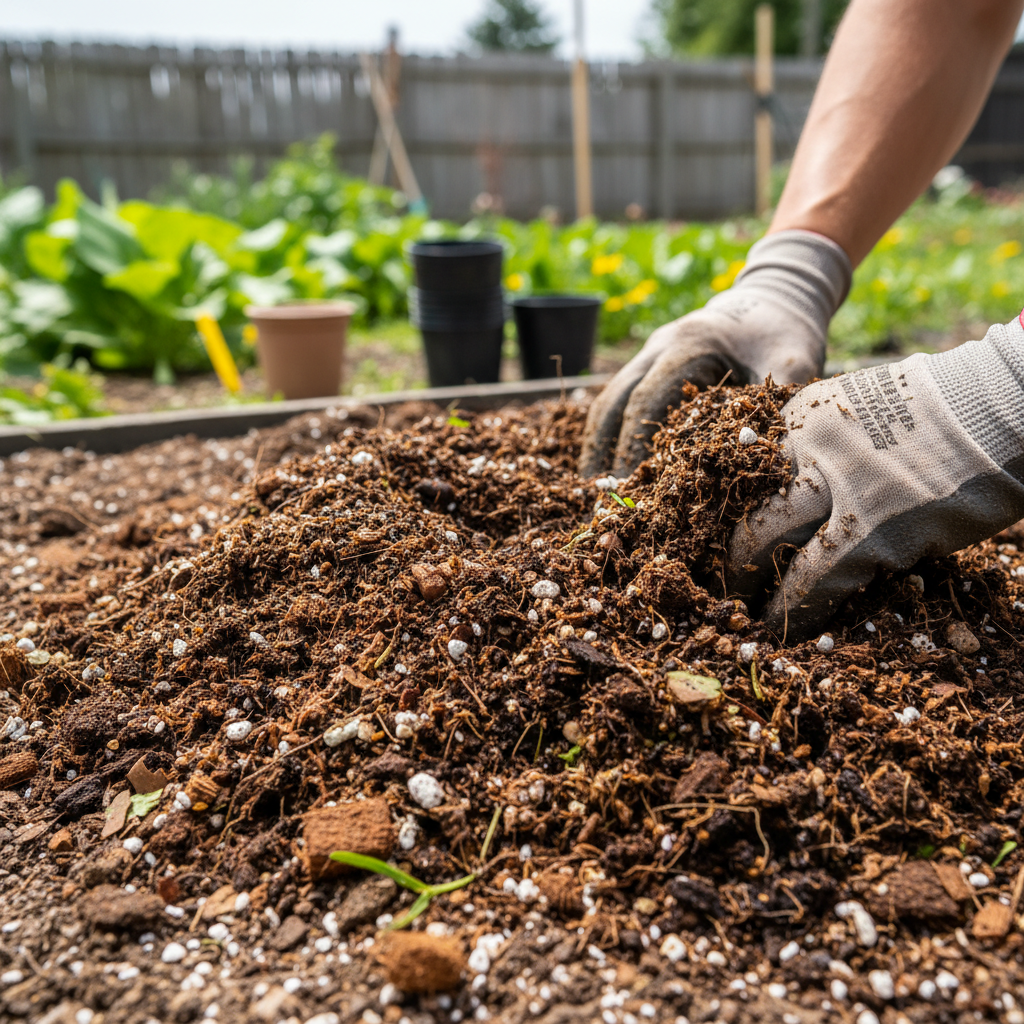
Healthy soil is the foundation of a thriving garden. Before summer sets in, enrich your soil with organic matter like compost or well-rotted manure. This boosts soil fertility and improves its ability to retain moisture.
Testing your soil’s pH level can also provide insights into what nutrients are needed. Adjusting the pH level ensures that plants can absorb essential nutrients effectively.
Pest and Disease Management
Summer can bring about an increase in pests and diseases. Regularly inspect your plants for signs of infestation or disease. Early detection allows for prompt action, reducing the risk of widespread damage.
- Introduce beneficial insects like ladybugs to control aphids.
- Use organic pesticides if necessary to protect your plants.
- Prune affected areas to prevent the spread of disease.
Providing Shade
Intense sun can be harsh on certain plants. Providing shade is essential for protecting sensitive species. Use shade cloths or strategically place taller plants to offer natural shade to smaller, more delicate plants.
Consider creating shaded areas with pergolas or awnings where you can enjoy your garden without the scorching sun.

Regular Maintenance
Consistent maintenance is key to a healthy garden. Remove weeds regularly, as they compete with your plants for nutrients and water. Deadhead flowers to encourage new blooms and maintain the aesthetic appeal of your garden.
During summer, plants can grow rapidly, so regular pruning helps maintain shape and prevents overcrowding. Staying on top of these tasks ensures your garden remains vibrant and productive throughout the season.