
How to Prepare Your Garden for the Australian Summer


Assessing Your Garden
As the Australian summer approaches, it's crucial to assess the current state of your garden. Start by inspecting plants for any signs of disease or pest infestations. Early detection can prevent further damage and prepare your garden for the intense heat.
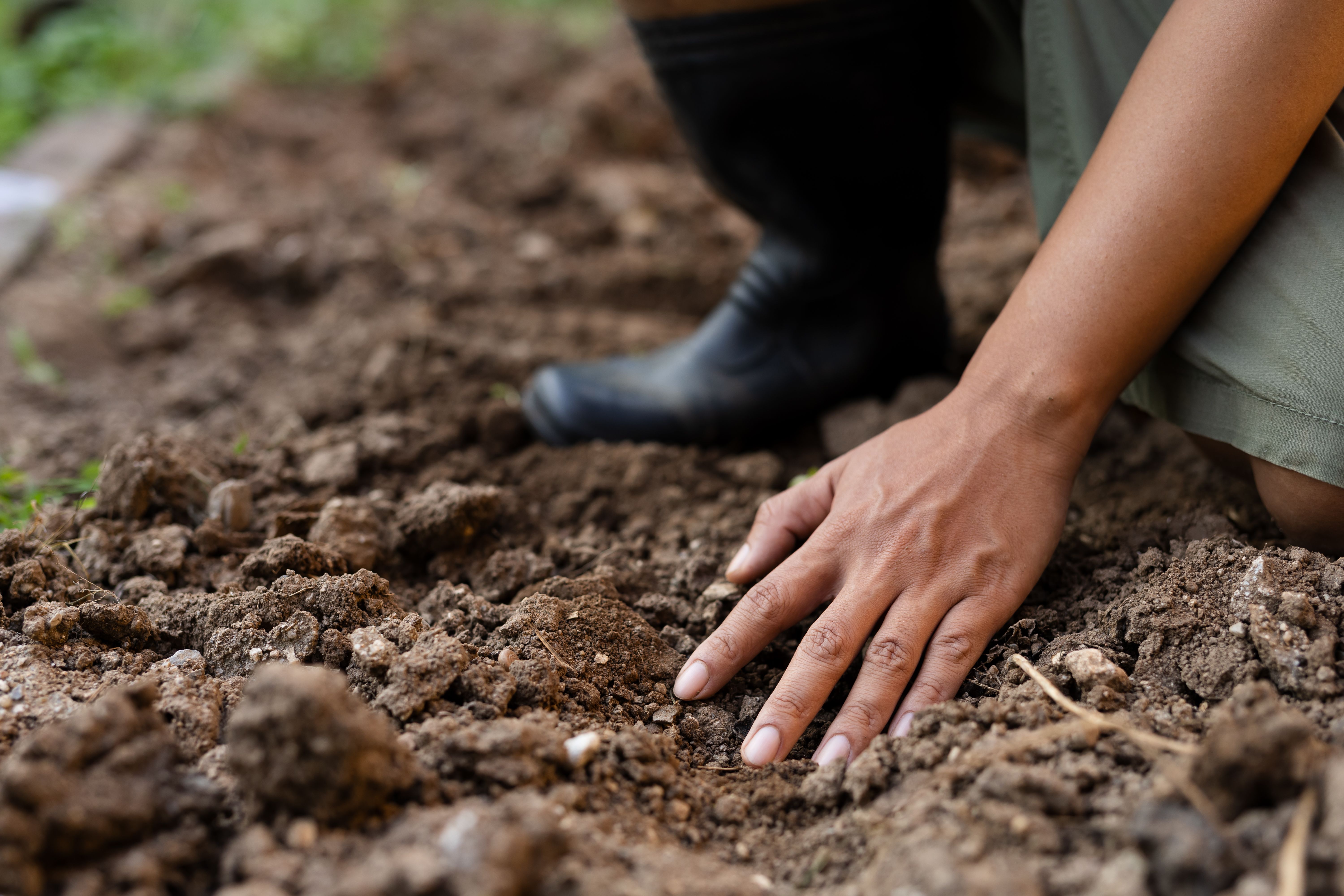
Check the soil condition as well. Healthy soil is vital for plant resilience during summer. Consider performing a soil test to determine nutrient levels and pH balance, adjusting as necessary to promote growth.
Watering Strategies
Water management is a key aspect of summer gardening. Implementing efficient watering strategies ensures that plants receive adequate hydration without waste. Early morning or late afternoon watering reduces evaporation, allowing plants to absorb moisture effectively.
Consider installing a drip irrigation system or soaker hoses to deliver water directly to the roots. These systems not only conserve water but also provide consistent moisture levels to the soil.
Mulching for Moisture Retention
Mulching is a simple yet effective method to retain soil moisture and regulate temperature. Apply a generous layer of organic mulch, such as straw or wood chips, around the base of plants. This helps reduce water evaporation and suppresses weed growth.
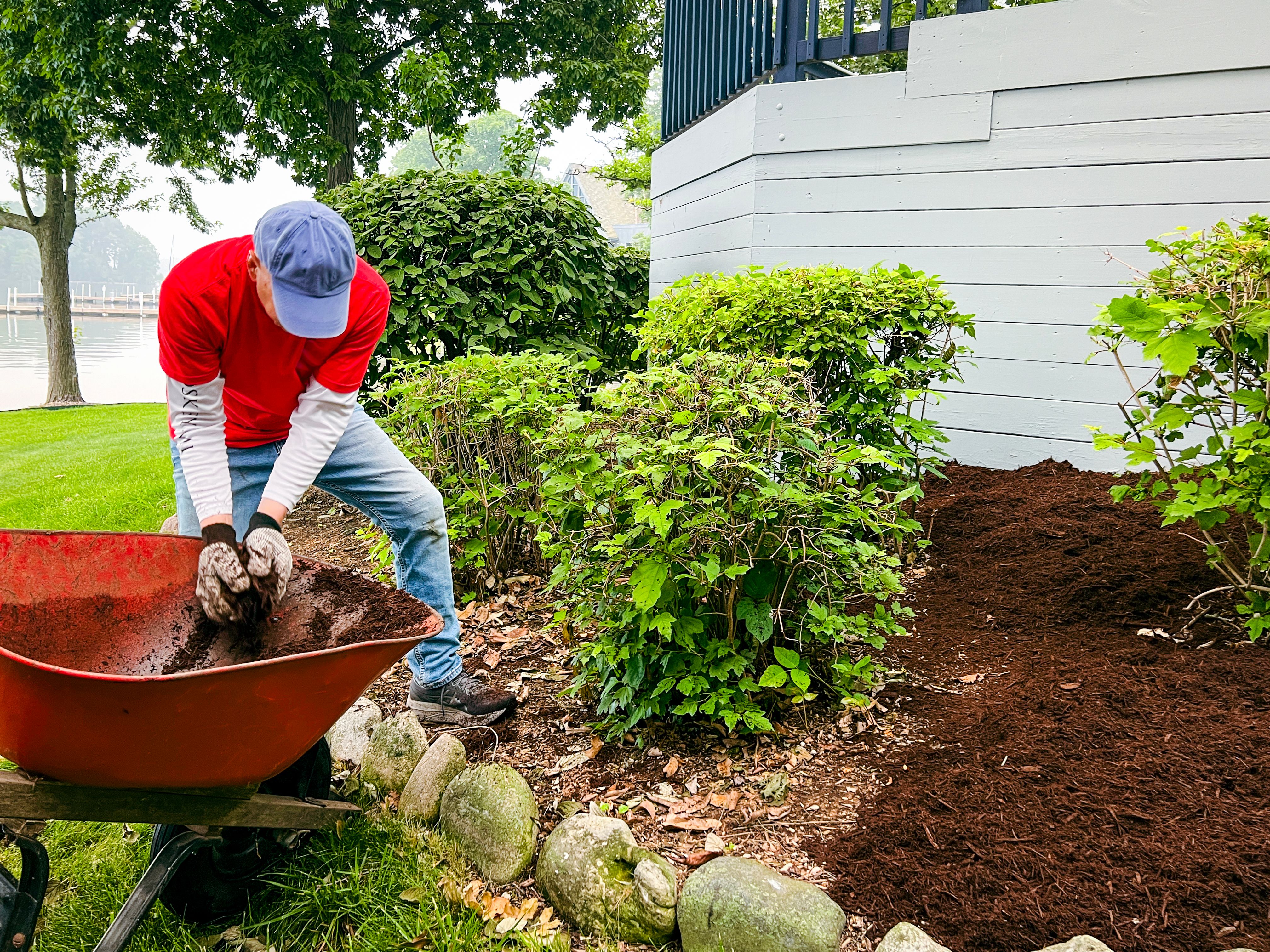
Remember to keep mulch away from plant stems to prevent rot. Regularly replenish the mulch layer to maintain its effectiveness throughout the summer months.
Choosing Heat-Tolerant Plants
Selecting the right plants for your garden can make a significant difference in how well it withstands the Australian summer. Opt for native or drought-resistant species that are adapted to local climate conditions.
- Kangaroo Paw
- Lavender
- Succulents
These plants are more likely to thrive in hot conditions, reducing the need for excessive watering and maintenance.
Pest Control and Maintenance
Summer can bring an increase in garden pests. Regular monitoring and maintenance are essential to keep pests at bay. Use natural pest control methods, such as introducing beneficial insects or using organic sprays, to protect your plants.
Additionally, keep your garden tidy by removing dead leaves and debris. This reduces hiding spots for pests and promotes a healthy growing environment.
Regular Feeding and Fertilizing
Feeding your plants with the right nutrients helps them endure the summer heat. Use a slow-release fertilizer to provide a steady supply of nutrients over time. This supports plant growth and strengthens their resilience against stress.
Ensure that fertilization is done appropriately, avoiding over-fertilizing, which can lead to nutrient burn and harm plant health.