
How to Maintain a Healthy Lawn: Expert Tips for DIY Enthusiasts


Understanding Your Lawn's Needs
Maintaining a healthy lawn requires understanding what your specific lawn needs. Different grass types have different requirements, so it's essential to identify the type of grass you have. This knowledge will guide you in watering, fertilizing, and mowing appropriately.
Additionally, assess the soil quality. Conducting a soil test can help determine if your lawn lacks essential nutrients. Based on the results, you can choose the right fertilizers to enhance growth.
Proper Watering Techniques
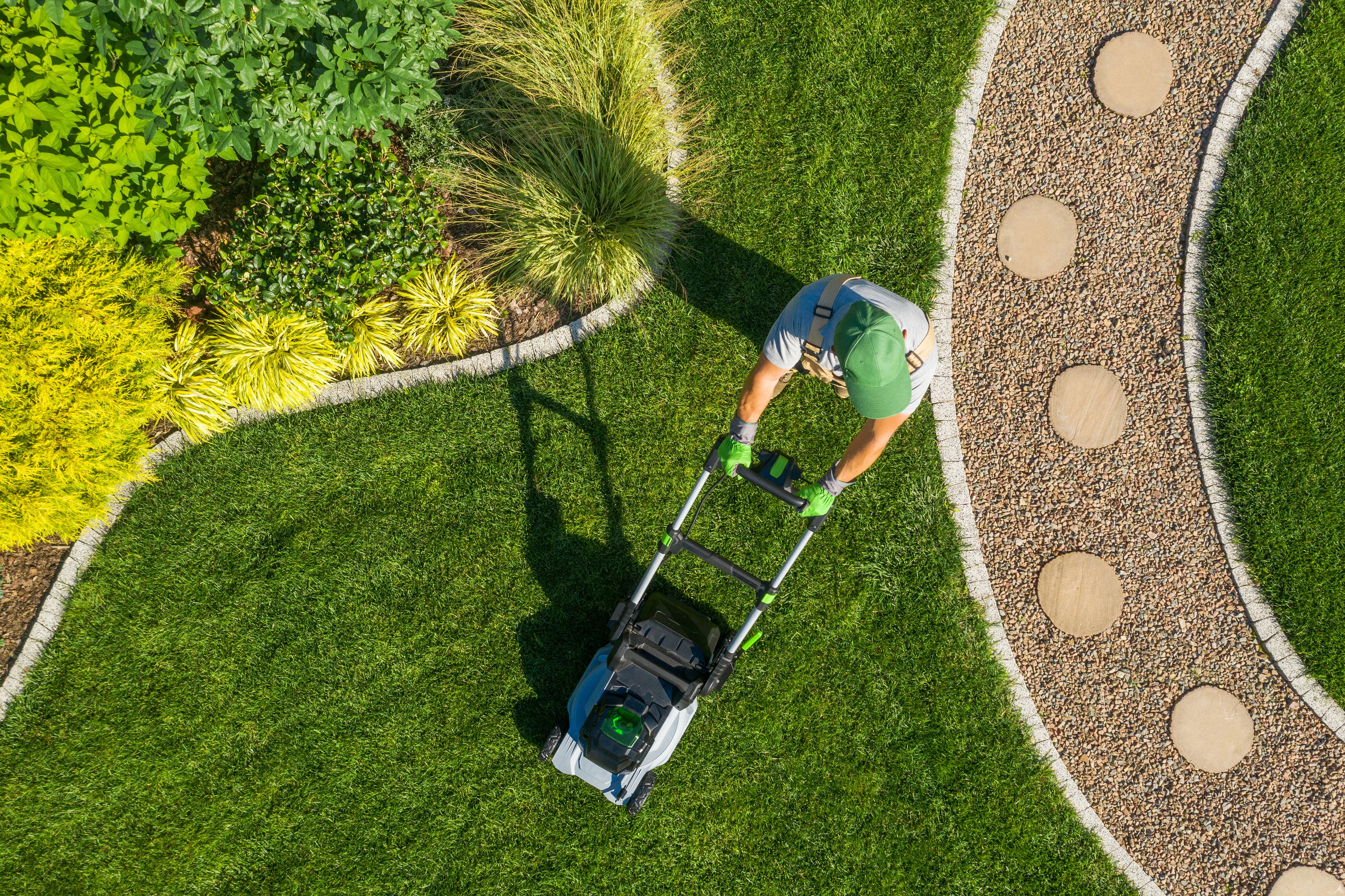
Watering is crucial for a lush lawn, but overwatering can be just as harmful as underwatering. Aim to water your lawn early in the morning to reduce evaporation and fungal diseases. A general rule is to provide about an inch of water per week, including rainfall.
Using a rain gauge can help you monitor how much water your lawn is receiving. For even distribution, consider using a sprinkler system or soaker hoses.
Mowing Best Practices
Mowing your lawn correctly is vital for its health. Set your mower blades to the right height for your grass type. Cutting too short can stress the grass and encourage weeds. Generally, aim to remove no more than one-third of the grass height in a single mowing session.
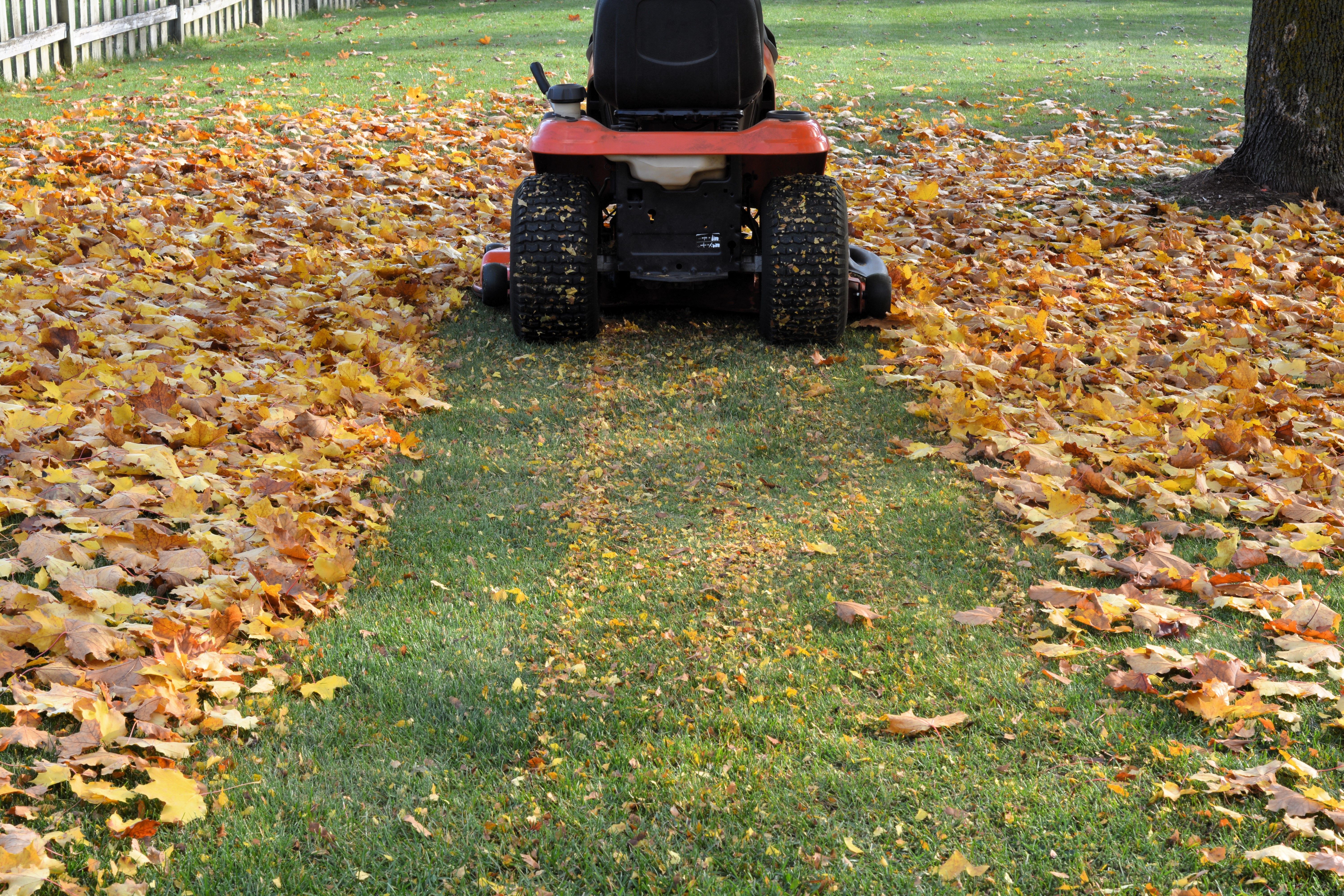
Keep your mower blades sharp to ensure a clean cut. Dull blades can tear the grass, leading to a ragged appearance and increased vulnerability to diseases.
Effective Fertilization
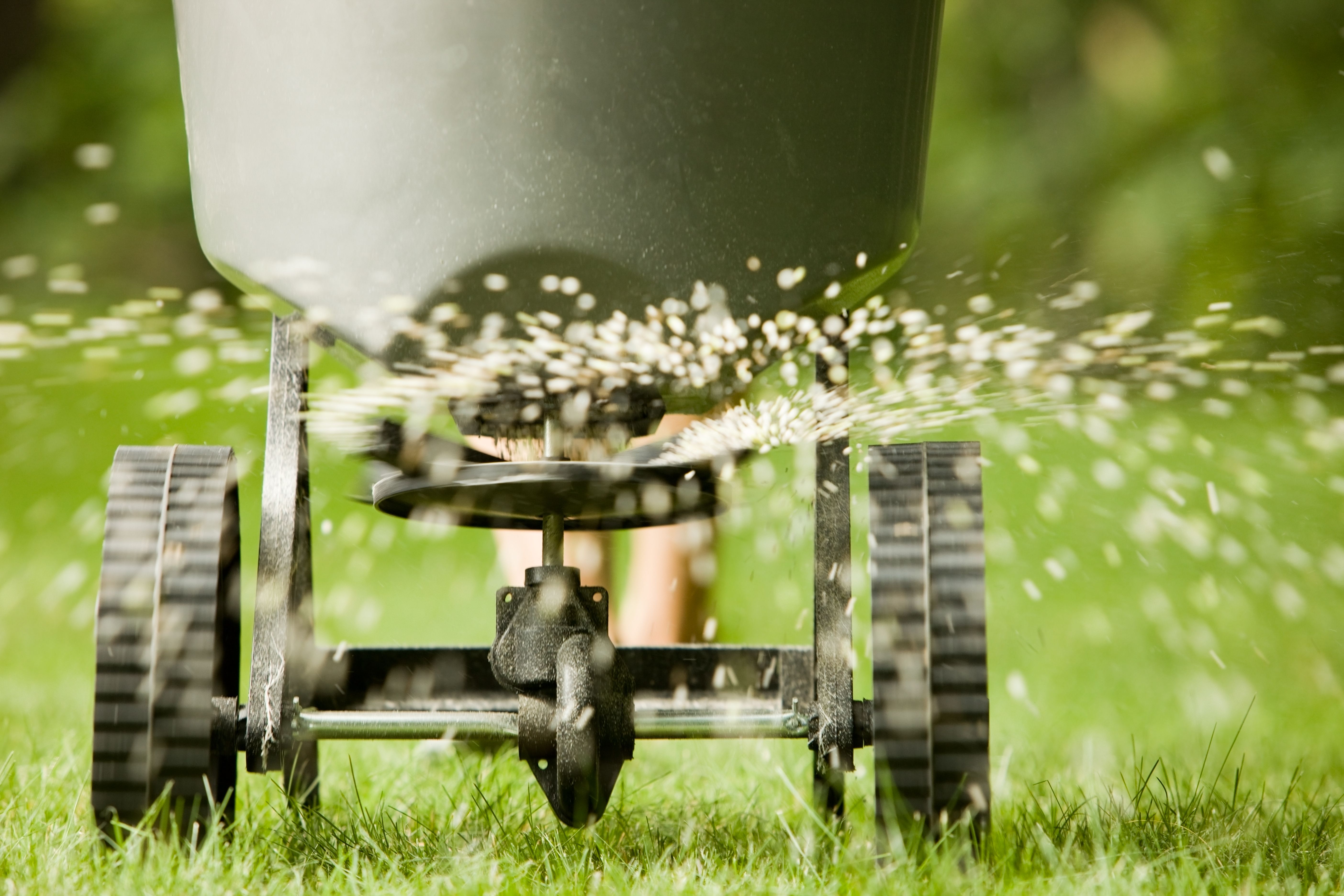
Fertilizing your lawn provides it with the necessary nutrients to thrive. The key is to apply the right type and amount of fertilizer at the appropriate times. Consider using slow-release fertilizers to provide a steady supply of nutrients.
Avoid over-fertilizing, which can lead to excessive growth and environmental issues. It's usually best to fertilize during the growing season when the grass can absorb the nutrients effectively.
Weed and Pest Control
Weeds and pests can quickly damage a healthy lawn. Regularly inspect your lawn for signs of weeds and pests. Hand-pulling weeds or using a targeted herbicide can help manage weed problems.
For pest control, identify the specific pests affecting your lawn and choose the least toxic method to manage them. Encouraging natural predators can also help maintain a balanced ecosystem.
Seasonal Lawn Care
Adjust your lawn care routine to the changing seasons. In the spring, focus on cleaning up debris and aerating the soil. Summer requires attention to watering and mowing, while fall is an excellent time for fertilizing and overseeding.

During winter, minimize foot traffic on frozen grass to prevent damage. Proper seasonal care ensures your lawn remains healthy year-round.
Conclusion
Maintaining a healthy lawn is achievable with the right knowledge and techniques. By understanding your lawn's needs and implementing these expert tips, you can enjoy a lush, green lawn that enhances the beauty of your outdoor space.