
Eco-Friendly Gardening Practices for South Australia


Introduction to Eco-Friendly Gardening
Gardening in South Australia presents unique challenges and opportunities due to its climate and soil conditions. Embracing eco-friendly gardening practices can help conserve resources, support local wildlife, and create a thriving garden environment. By implementing sustainable methods, you can contribute to a healthier ecosystem and enjoy a more resilient garden.
Choosing Native Plants
One of the most effective ways to promote sustainability in your garden is to incorporate native plants. These plants are adapted to the local climate and soil, requiring less water and maintenance. They also provide essential habitats and food sources for native wildlife, including birds and insects.
Some popular native plants for South Australian gardens include:
- Kangaroo Paw
- Grevillea
- Coastal Rosemary
- Wattle
Water Conservation Techniques
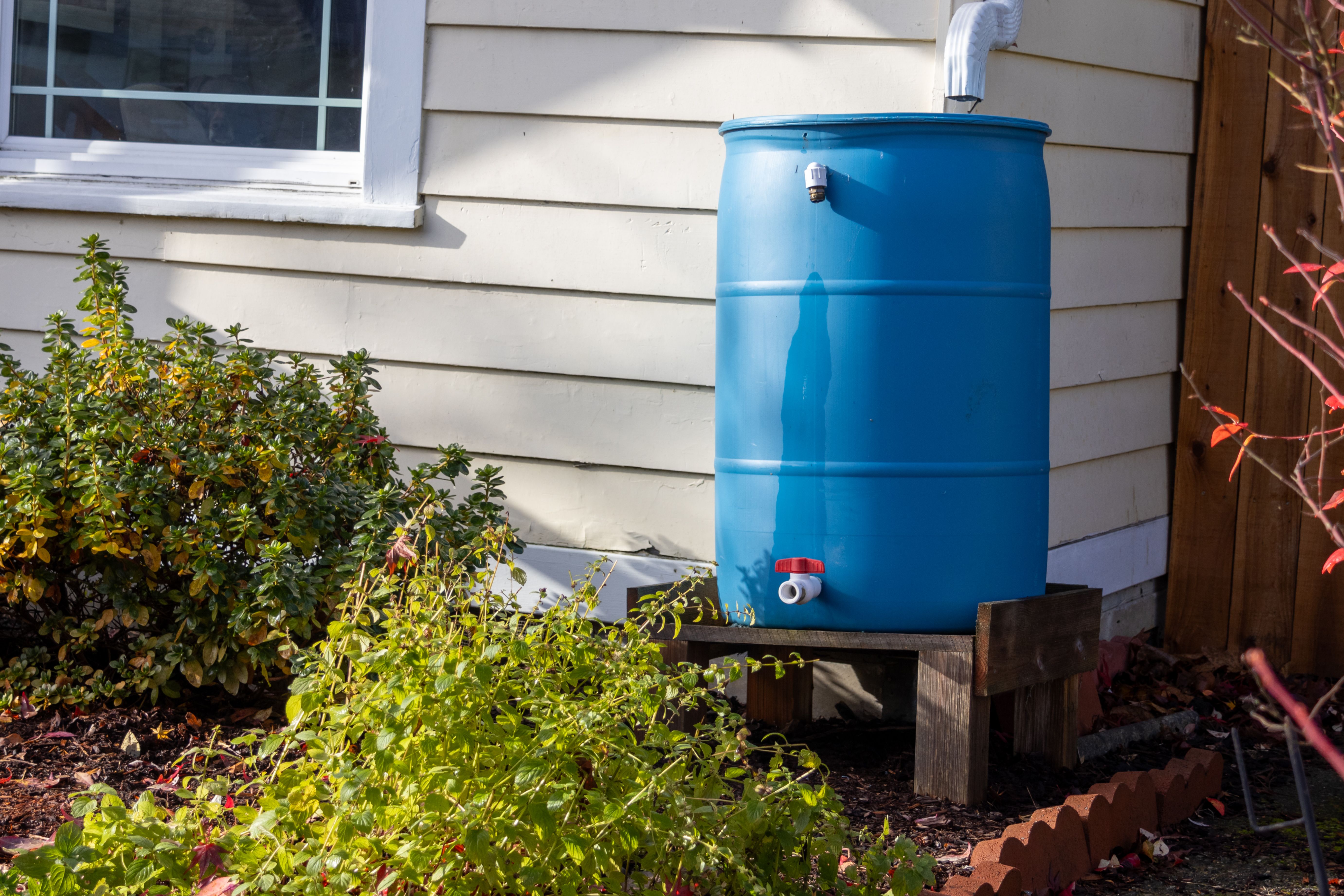
Water scarcity is a significant concern in South Australia, making it crucial to adopt water-wise gardening practices. Consider installing a rainwater tank to collect and store rainwater for irrigation. Drip irrigation systems are also an efficient way to deliver water directly to the roots, minimizing evaporation and waste.
Mulching
Mulching is another effective strategy for conserving moisture. By covering the soil with organic material such as straw, bark, or compost, you can reduce evaporation, suppress weeds, and improve soil health. Mulch also provides a habitat for beneficial organisms that contribute to a balanced ecosystem.
Composting and Soil Health
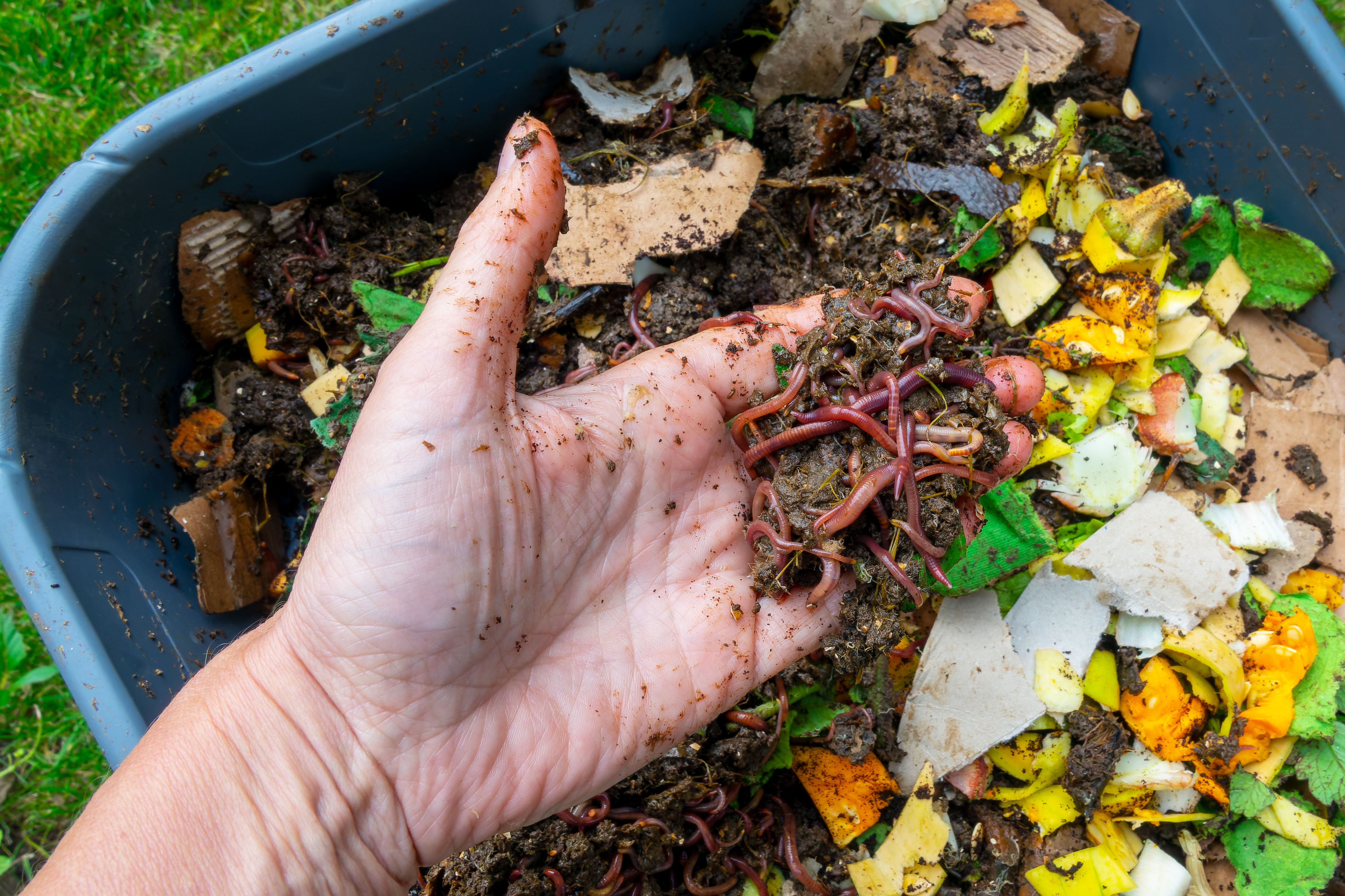
Healthy soil is the foundation of any successful garden. Composting kitchen scraps and garden waste is an excellent way to enrich your soil naturally. Compost improves soil structure, retains moisture, and provides essential nutrients for plant growth. Additionally, it reduces the need for synthetic fertilizers, which can harm the environment.
Organic Pest Control
Instead of using chemical pesticides, opt for organic pest control methods to protect your plants. Introduce beneficial insects like ladybugs and lacewings to keep pest populations in check. You can also use natural repellents such as garlic spray or neem oil to deter unwanted insects.
Encouraging Biodiversity
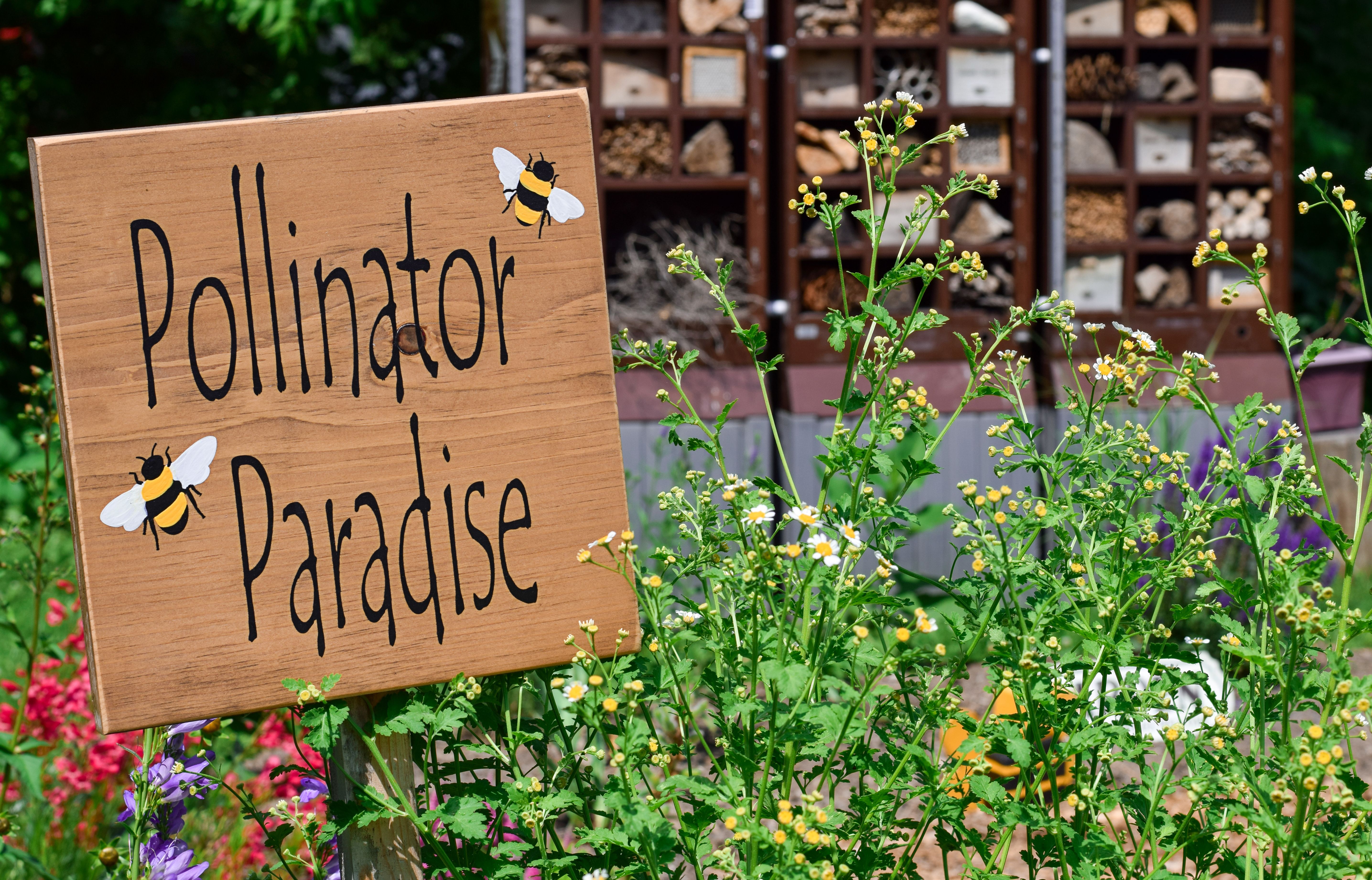
Creating a diverse garden not only enhances its beauty but also supports a wide range of wildlife. Incorporate a mix of plant species, including flowers, shrubs, and trees, to attract pollinators and other beneficial creatures. Consider adding a small water feature, like a birdbath, to provide drinking water for birds and insects.
Reducing Chemical Use
Minimizing the use of synthetic chemicals in your garden helps protect the local environment and wildlife. Choose organic fertilizers and soil conditioners, and opt for natural weed control methods such as hand-pulling or using vinegar-based solutions. This approach promotes a healthier garden ecosystem and reduces your environmental impact.
Conclusion
By adopting these eco-friendly gardening practices, South Australian gardeners can create vibrant, sustainable gardens that benefit both people and the planet. Embrace the natural beauty of native plants, conserve water, and foster biodiversity to enjoy a thriving garden all year round.