
DIY Lawn Mowing Tips: How to Achieve a Professional Finish


Understanding Your Lawn
Before you start mowing, it's crucial to understand the type of grass you have. Different grasses have varying height requirements, and knowing these can help you achieve a lush, professional look. For example, cool-season grasses like fescue and ryegrass should generally be kept taller than warm-season grasses like Bermuda and zoysia.
Additionally, consider the current season and weather conditions. Grass grows differently depending on these factors, impacting how often you need to mow. During peak growing seasons, weekly mowing is often necessary, while in cooler months, you might mow less frequently.
Preparing Your Mower
To ensure a clean cut, regularly maintain your mower. Sharpen the blades at least once per season to avoid tearing the grass, which can lead to browning and disease. Also, check the mower's oil and air filters to keep it running smoothly.
Adjust the mower's height according to your grass type and the season. Cutting too short can stress the grass and make it vulnerable to pests and diseases. A good rule of thumb is to never remove more than one-third of the grass blade at a time.

Mowing Techniques
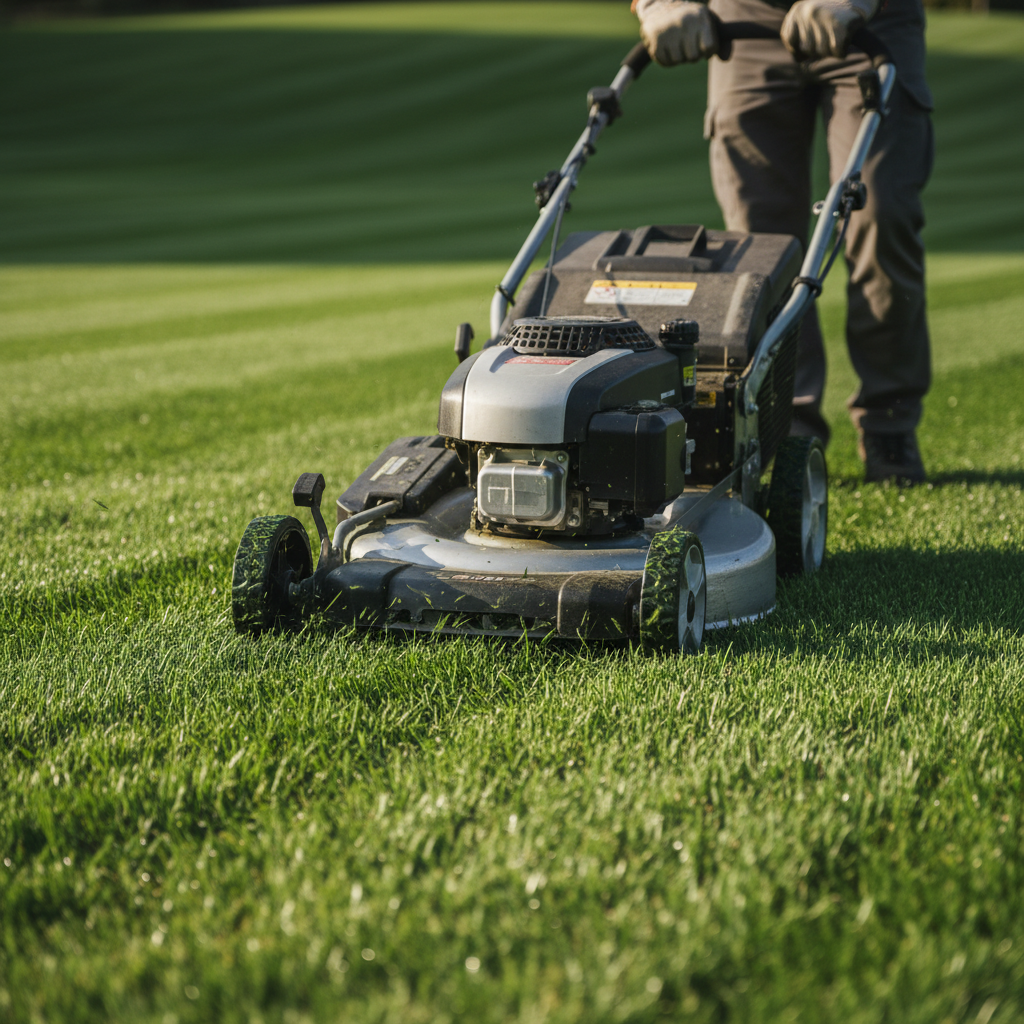
Start mowing with a plan. Mow in different directions each time to prevent soil compaction and encourage upright grass growth. This practice also ensures that the grass blades are cut at different angles, promoting a more even lawn.
Overlap each pass slightly to avoid leaving strips of uncut grass. If your lawn is large, consider alternating between horizontal, vertical, and diagonal patterns to give your lawn a professional finish.
After Mowing Care
After mowing, it's essential to care for your lawn to keep it healthy. Leave grass clippings on the lawn to decompose and return valuable nutrients to the soil. This process can reduce the need for additional fertilization.
Water your lawn wisely. Early morning is the best time to water, reducing evaporation and allowing the grass to dry throughout the day, minimizing the risk of fungal diseases.
Regular Maintenance
Consistent care is key to a well-maintained lawn. Regular mowing, watering, and occasional fertilization will keep your lawn looking its best. Additionally, aerating the soil annually can improve root health and grass growth.
By following these DIY lawn mowing tips, you can achieve a professional finish that enhances your home's curb appeal. Remember, the secret to a stunning lawn is understanding its needs and providing consistent care.