
DIY Lawn Maintenance Tips for Busy Homeowners


Understanding Your Lawn's Needs
Maintaining a lush, green lawn can seem like a daunting task, especially for busy homeowners. However, with a few strategic tips, you can keep your lawn looking its best without spending all your free time working on it. Understanding the specific needs of your lawn is the first step. Different grass types have different water, sunlight, and soil requirements. Knowing what your lawn needs will help you tailor your maintenance plan effectively.
Efficient Mowing Practices
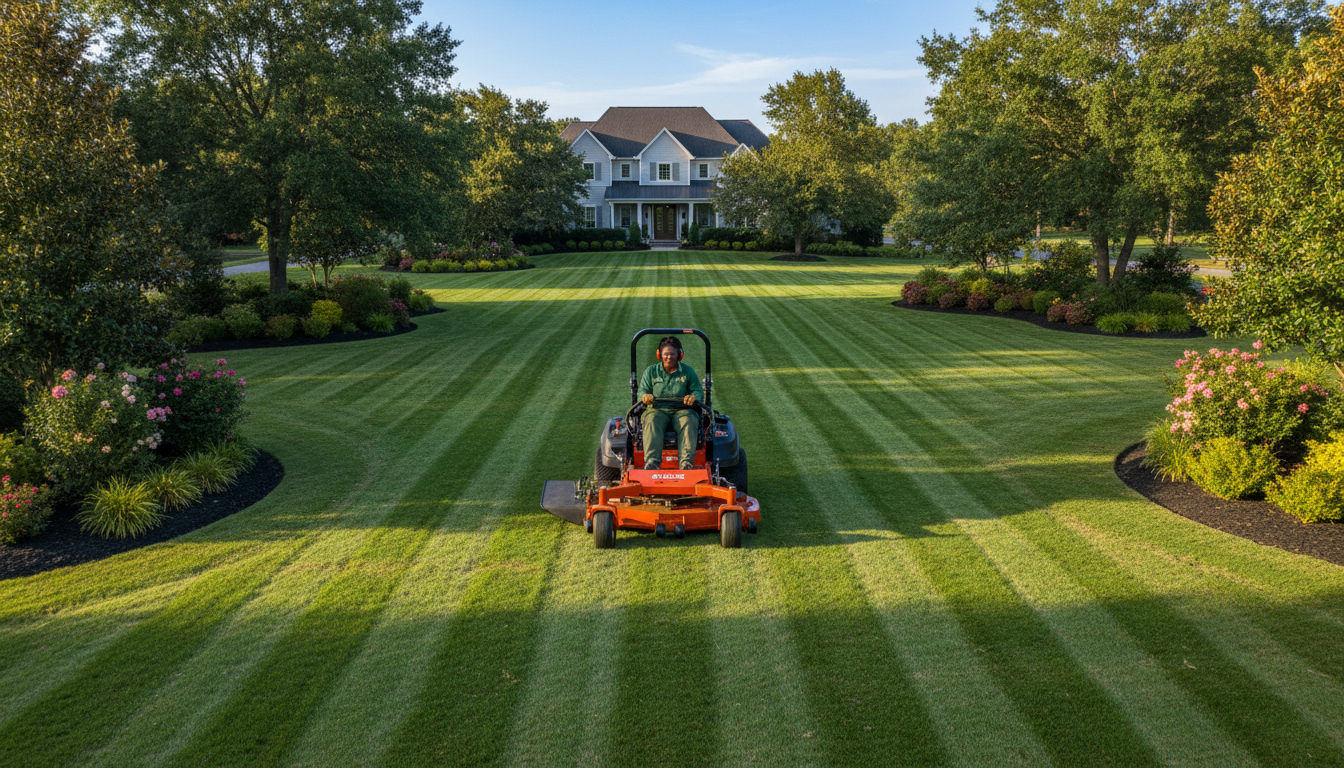
Mowing is one of the simplest yet most effective ways to maintain a healthy lawn. Aim to mow your lawn once a week, but avoid cutting the grass too short. Cutting too much at once can stress the grass and make it more susceptible to disease. Keeping your mower blades sharp will also ensure a clean cut and promote healthy growth.
Time-Saving Mowing Tips
To save time, consider investing in a quality mulching mower. This type of mower cuts the grass into fine pieces that decompose quickly, returning nutrients to the soil. This not only saves time on bagging clippings but also enriches your lawn naturally.
Watering Wisely
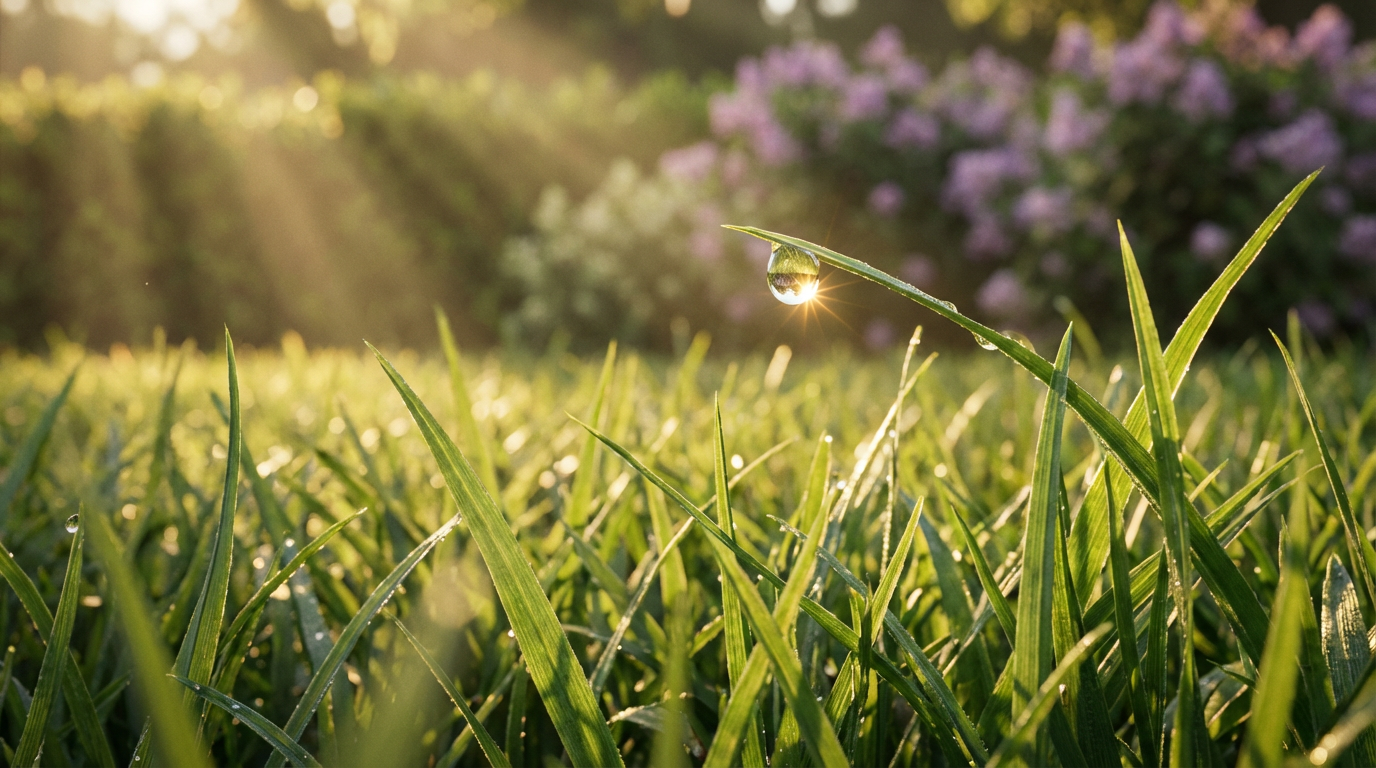
Watering your lawn efficiently is crucial for maintaining its health, especially during dry spells. Early morning is the best time to water, as it reduces evaporation and allows the grass to absorb moisture effectively. Aim to water deeply but infrequently to encourage deep root growth.
Smart Irrigation Solutions
Consider using a smart irrigation system that adjusts watering schedules based on weather forecasts and soil moisture levels. This ensures your lawn gets just the right amount of water without wasting resources.

Fertilizing for Growth
Fertilizing your lawn provides essential nutrients that promote healthy growth. Use a slow-release fertilizer to nourish your lawn over time without the need for frequent applications. The best time to fertilize is in the spring and fall when grass is actively growing.
Organic Fertilizer Options
If you're looking for a more sustainable option, organic fertilizers are an excellent choice. They improve soil health and reduce the risk of chemical runoff. Products like compost or well-rotted manure can provide the nutrients your lawn needs.
Weed Control Strategies
Weeds can quickly take over a lawn if left unchecked. Regular mowing helps keep weeds at bay, but sometimes additional measures are needed. Spot-treating weeds with a targeted herbicide can be effective without the need for widespread chemical application.
Preventing Weed Growth
Maintaining a thick, healthy lawn is the best defense against weeds. Ensure your grass is dense enough to crowd out potential invaders. Overseeding in bare spots can help fill in gaps where weeds might take root.

Seasonal Lawn Care
Adjusting your lawn care routine with the seasons can prevent issues before they arise. In the spring, focus on repairing winter damage and preparing for growth. During the summer, prioritize watering and mowing. Fall is the time for fertilizing and overseeding, while winter involves cleaning up and protecting your lawn for the colder months.
By following these DIY lawn maintenance tips, even the busiest homeowners can enjoy a beautiful, thriving lawn year-round. Implementing these strategies will not only save time but also enhance the overall health and appearance of your outdoor space.