
DIY Lawn Maintenance Tips: Expert Advice from BJ Mowing


Understanding Your Lawn
Maintaining a lush, green lawn is a rewarding DIY project that can enhance the beauty of your home. To get started, it’s essential to understand the type of grass you have and its specific needs. Different grasses thrive in different climates and soil types. Identifying your grass type will help you tailor your maintenance routine to ensure optimal growth.
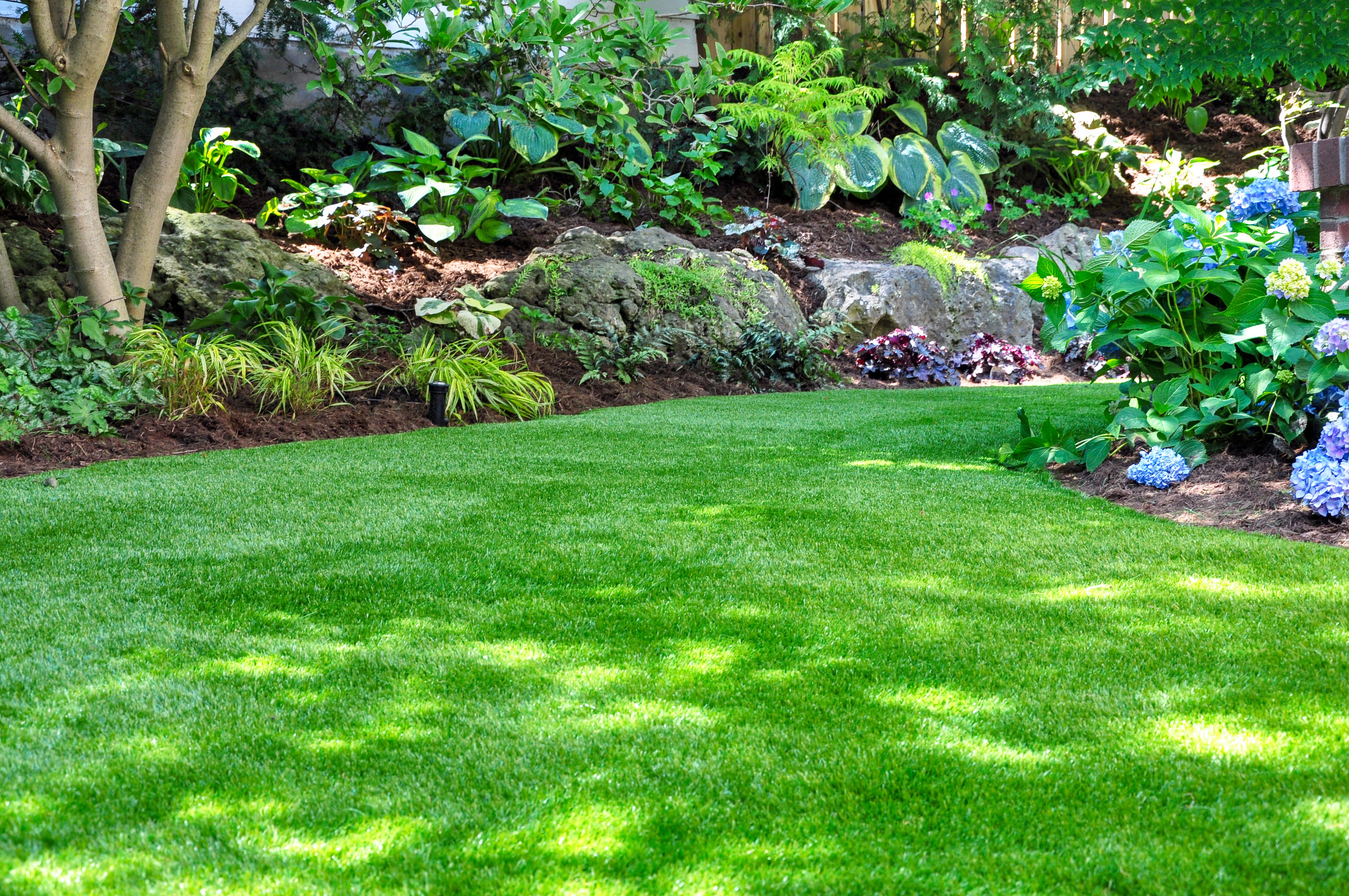
Soil health is equally important. Testing your soil can reveal vital information about its pH level and nutrient content. You can purchase a soil test kit from a garden center or send a sample to a local extension office. Based on the results, you can amend your soil with the necessary nutrients to create a favorable environment for your lawn.
Mowing Techniques
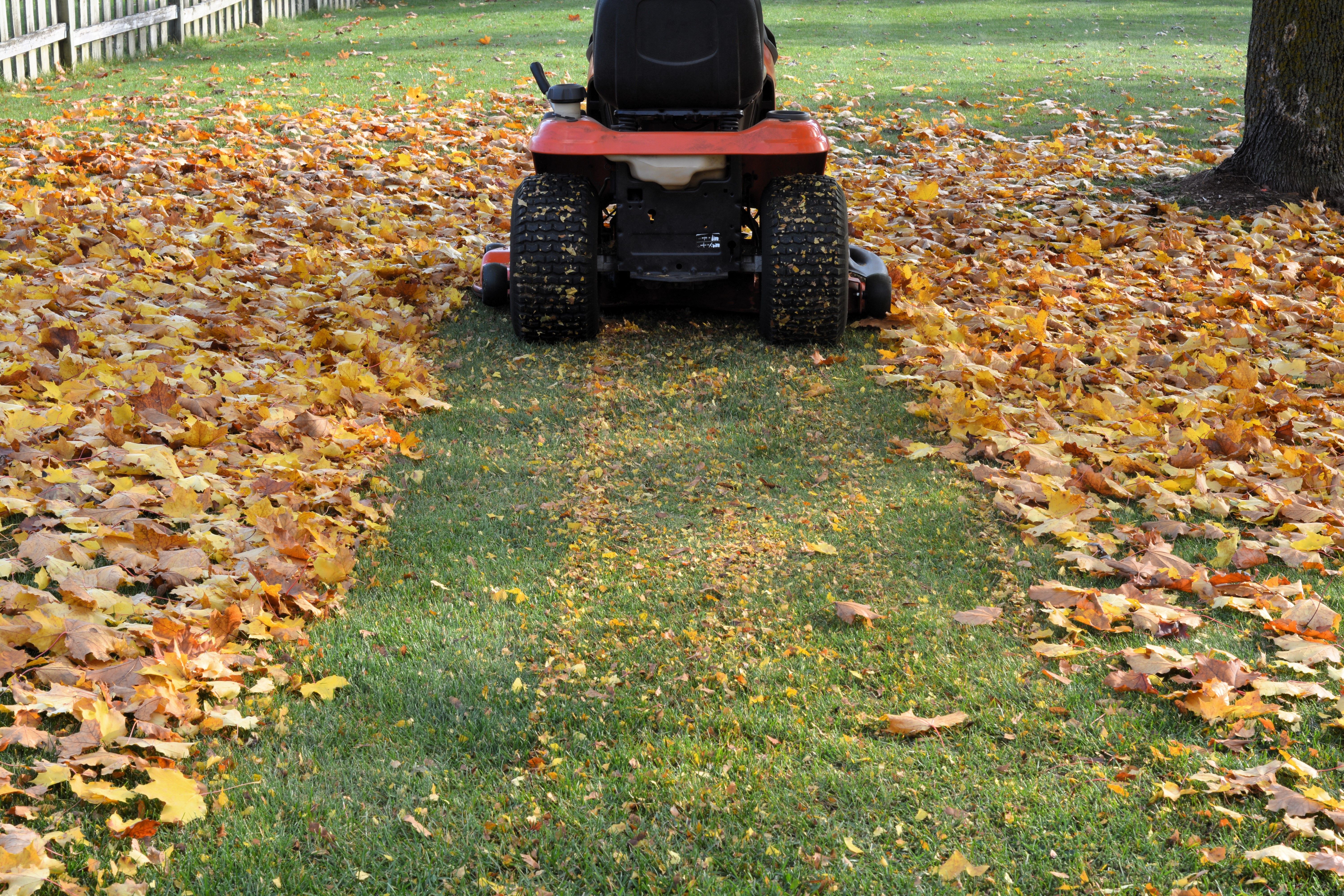
Proper mowing is crucial to maintaining a healthy lawn. It's best to mow when the grass is dry to prevent disease spread. The height at which you cut your grass is also important. Most lawns do well with a mowing height of about 2.5 to 3 inches, but this can vary depending on your grass type. Always use a sharp blade to ensure clean cuts.
It's important to avoid cutting more than one-third of the grass height at any one time. This practice keeps your lawn healthy and prevents stress. Regular mowing helps promote thick, lush growth and deters weeds from taking over. Remember, consistency is key.
Watering Wisely
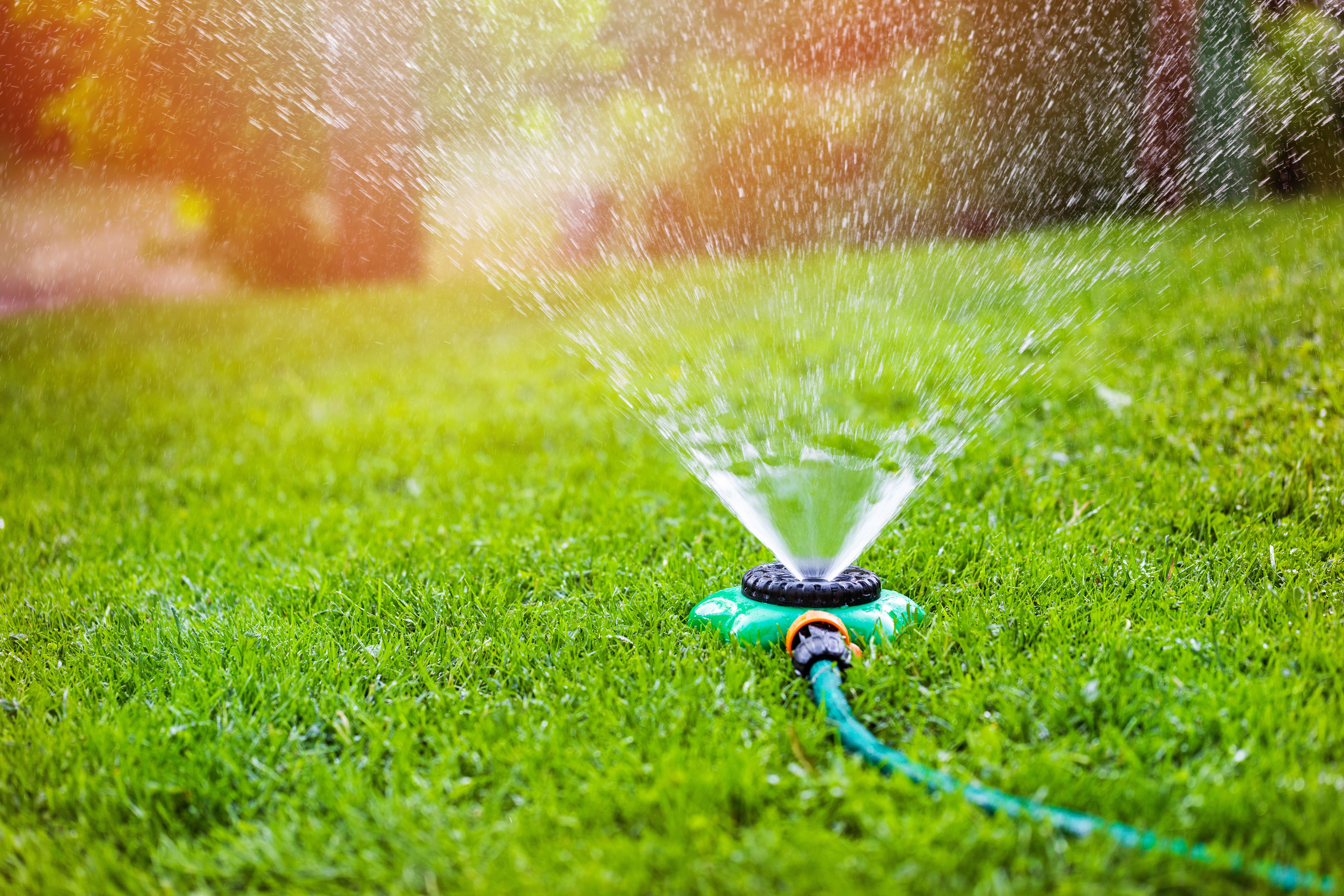
Watering your lawn effectively is all about balance. Overwatering can lead to shallow roots and disease, while under-watering can cause your lawn to dry out and turn brown. Aim to water deeply but infrequently, encouraging deep root growth. Early morning is the best time to water, as this allows the grass to dry before nightfall, reducing the risk of disease.
The amount of water needed will depend on your specific grass type and climate. Generally, lawns require about 1 to 1.5 inches of water per week, including rainfall. Using a rain gauge can help you monitor how much water your lawn is receiving.
Fertilizing Fundamentals
Fertilizing is an essential part of lawn care, providing the nutrients your grass needs to thrive. Choose a fertilizer that matches your grass type and the current season. Spring and fall are typically the best times to fertilize, as these are the periods of active growth.
Follow the instructions on your fertilizer package carefully to avoid over-fertilizing, which can harm your lawn and the environment. Consider using a spreader for even application, and always water your lawn after fertilizing to help the nutrients soak into the soil.
Weed and Pest Control
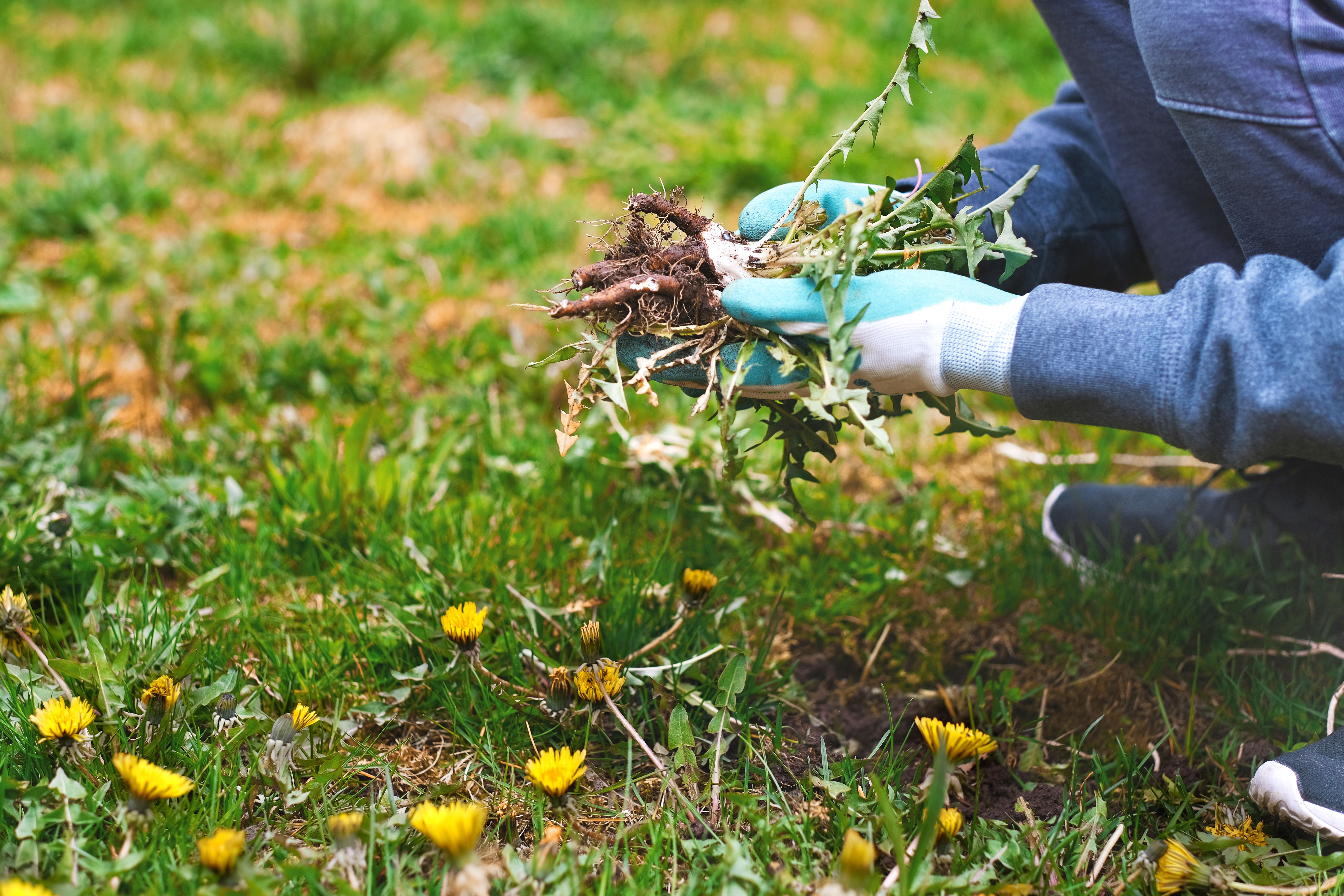
Weeds and pests can quickly become a problem if not managed properly. Regular mowing and proper fertilization can prevent many weed issues. If weeds do appear, consider using a targeted herbicide that won’t damage your grass. For a more natural approach, hand-pulling weeds can be effective for small infestations.
Pests can be managed with natural predators or organic treatments. Identifying the specific pest is crucial to choosing the right treatment. Always read product labels and follow safety precautions when using any chemical treatments.
Seasonal Lawn Care
Each season brings unique challenges and opportunities for lawn care. In the spring, focus on cleaning up debris and applying a pre-emergent weed control. Summer requires more frequent watering and mowing adjustments, while fall is the time for aeration and overseeding. Winter preparation involves clearing leaves and ensuring your lawn is free of debris.
By tailoring your lawn care routine to the seasons, you can keep your yard looking its best year-round. Regular maintenance and attention to your lawn's specific needs will ensure a vibrant and healthy outdoor space.