
DIY Lawn Maintenance: Expert Tips from BJ Mowing


Understanding Your Lawn
Maintaining a healthy and lush lawn doesn't have to be complicated, even if you're doing it yourself. The key is understanding your lawn's specific needs. Different grass types require varying care routines. Knowing what type of grass you have is the first step to effective lawn maintenance. Take a moment to identify your grass type, as this will guide your watering, mowing, and fertilization schedule.
Lawn care is also about timing. Each season brings different challenges and opportunities. By aligning your maintenance tasks with the seasons, you can ensure that your lawn remains vibrant all year round.
Proper Mowing Techniques
Mowing is more than just cutting grass; it's about ensuring your lawn remains healthy and appealing. Always keep your mower blades sharp, as dull blades can tear grass, leading to a brownish tint. Mow regularly, but never remove more than one-third of the grass height in one go. This practice helps prevent stress on the grass.
The ideal height for your lawn depends on your grass type, but generally, keeping it around 2.5 to 3 inches tall is a good standard. Taller grass promotes deeper root growth and better drought resistance.

Watering Wisely
Watering is crucial, yet it's often done incorrectly. Overwatering can lead to shallow roots, while underwatering stresses the grass. The best practice is to water deeply and infrequently, encouraging deep root growth. Aim to water early in the morning to reduce evaporation and fungal diseases.
Consider installing a rain gauge to determine how much water your lawn receives from rainfall. This can help you adjust your watering schedule efficiently, ensuring your lawn gets just what it needs.
Fertilization and Weed Control
Fertilizing your lawn provides essential nutrients that grass needs to thrive. Choose a fertilizer that matches your grass type and local soil conditions. Typically, fertilizing in early spring and late fall yields the best results, as these are the periods of active growth.
Weeds are a common issue in lawns, but they can be managed with regular care. Hand-pulling is effective for small infestations, while selective herbicides can tackle more extensive problems. Always follow the instructions carefully to avoid harming your grass.
Dealing with Lawn Pests
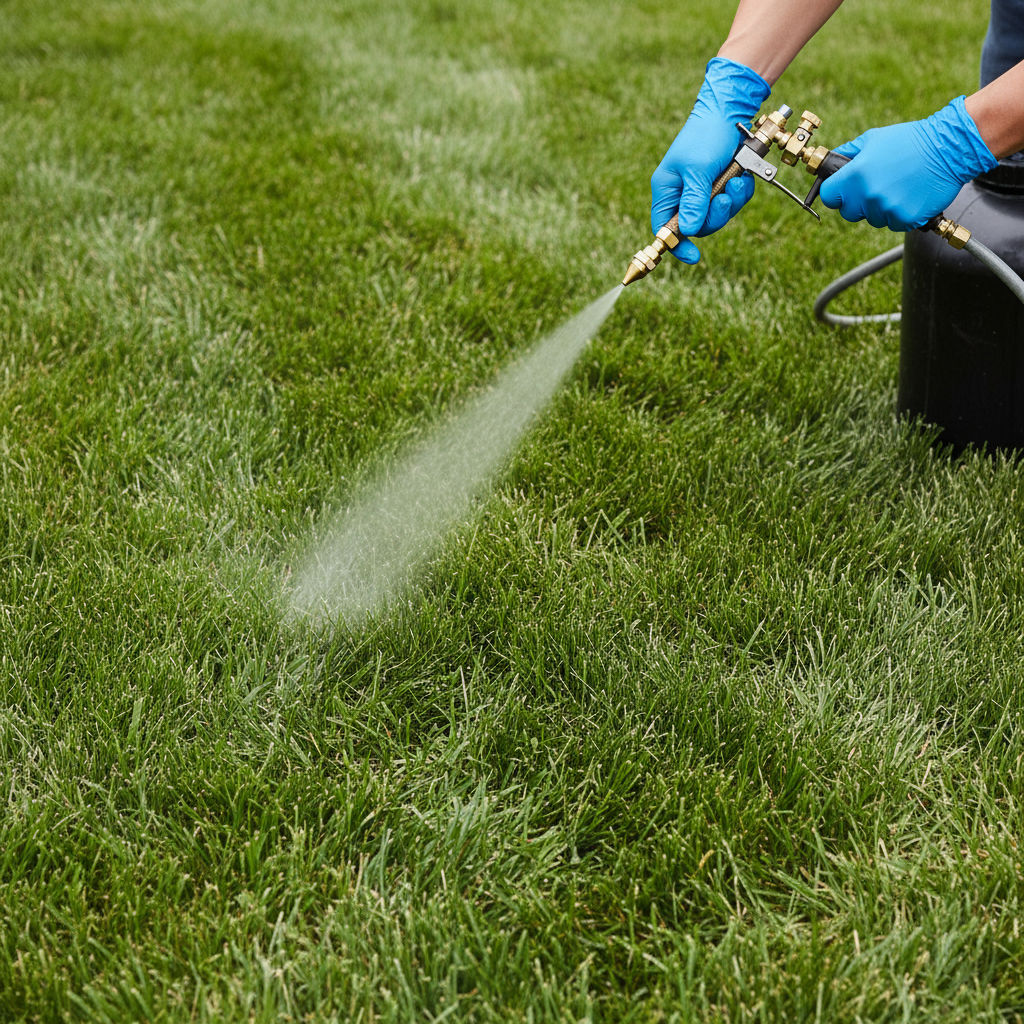
Pests can wreak havoc on your lawn if not managed properly. Regular monitoring is crucial to catch any infestations early. Common lawn pests include grubs, chinch bugs, and sod webworms. Identifying the pest is the first step in choosing the right control method.
Natural pest control options, like introducing beneficial insects or using neem oil, can be effective and environmentally friendly. However, severe infestations might require chemical treatments. Always use such treatments responsibly.
Aeration and Overseeding
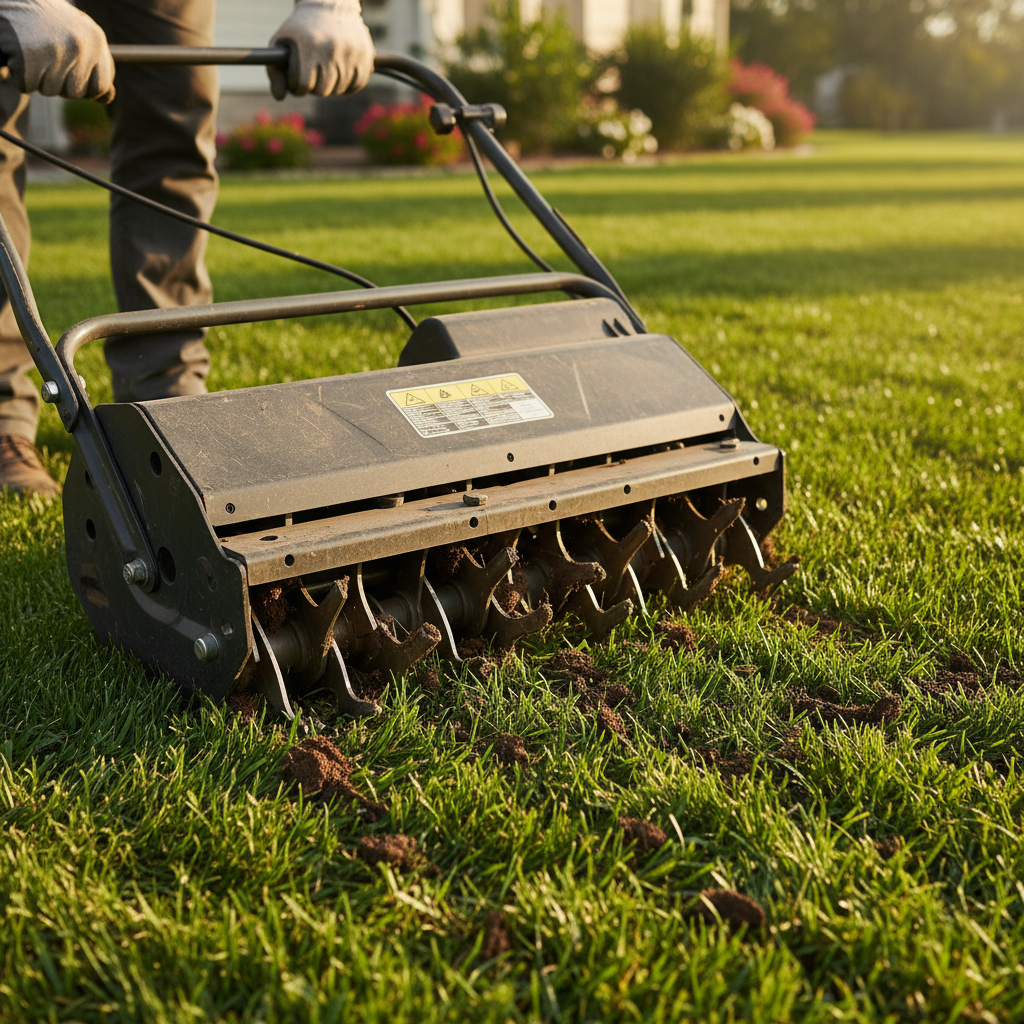
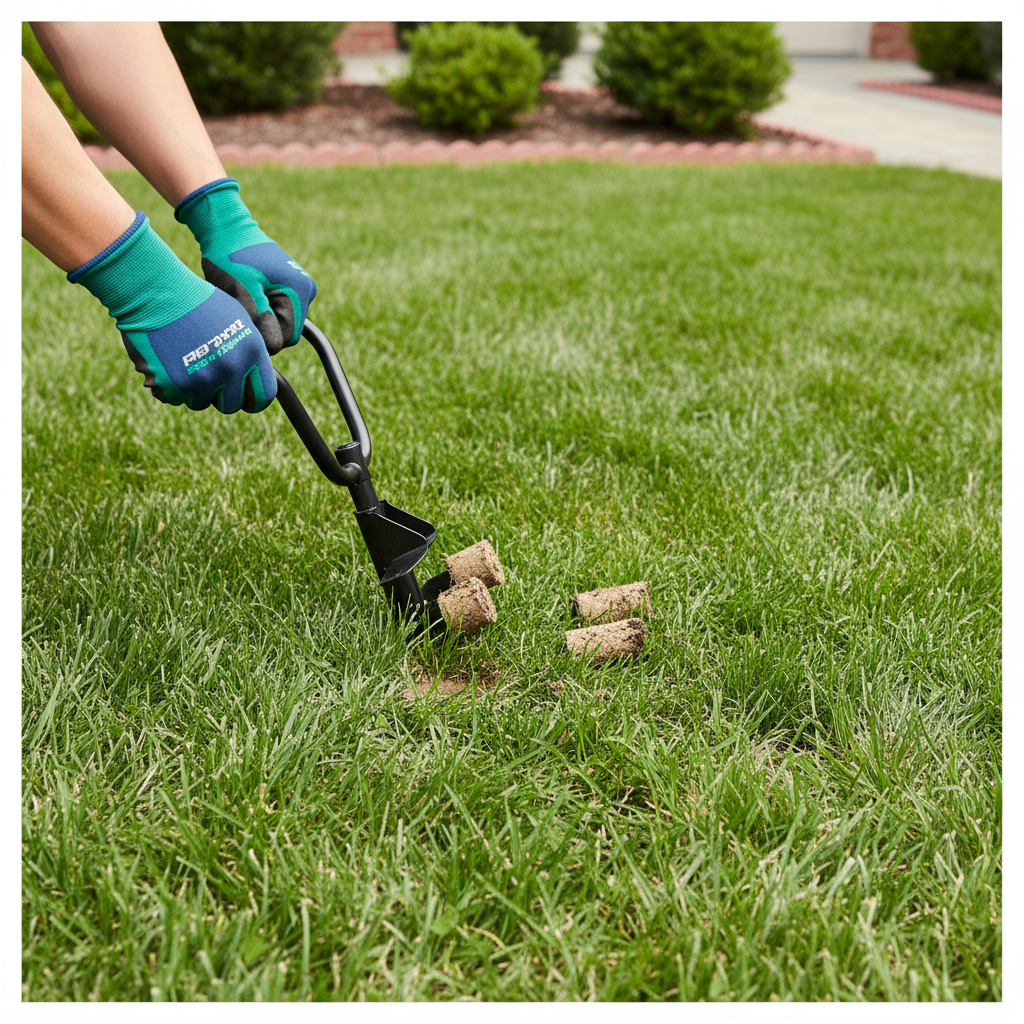
Aeration involves perforating the soil with small holes to allow air, water, and nutrients to penetrate the grass roots. This process helps alleviate soil compaction and promotes healthier growth. It's best done in the fall or spring.
Overseeding involves planting grass seeds over existing grass to improve lawn density and fill in bare spots. This process can enhance your lawn's resilience and appearance. Choose a seed that matches your existing grass type for the best results.
By following these expert tips from BJ Mowing, you can turn your lawn into a lush, green oasis. Consistent maintenance, proper techniques, and understanding the unique needs of your grass will set you on the path to success. Enjoy the satisfaction of a well-maintained lawn and the beauty it brings to your home.