
DIY Lawn Maintenance: Expert Tips for a Healthy Garden


Understanding Your Lawn's Needs
Maintaining a healthy garden begins with understanding the specific needs of your lawn. Different grass types require unique care, so it’s essential to identify what you have. Cool-season grasses like Kentucky bluegrass thrive in cooler climates, while warm-season grasses such as Bermuda are perfect for hotter regions. Knowing your grass type helps tailor your maintenance routine effectively.
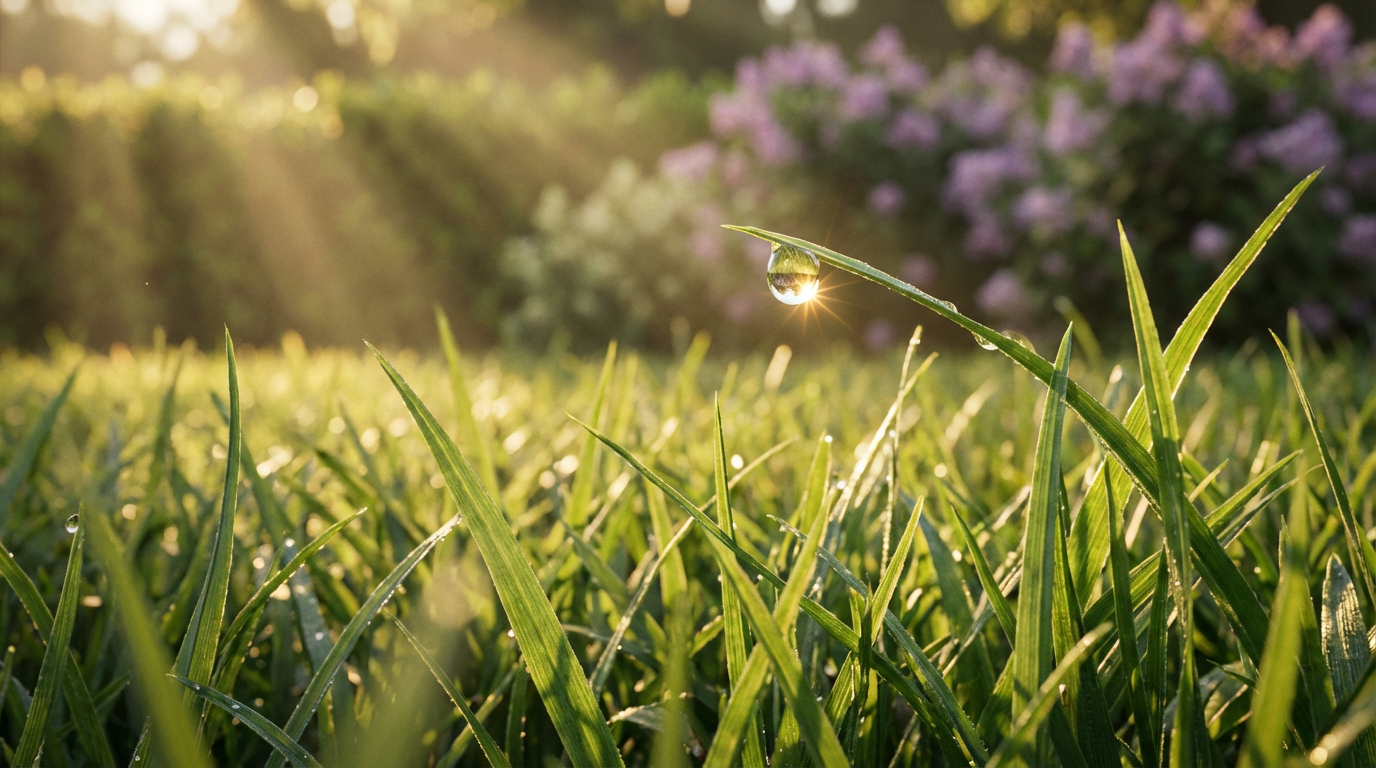
Soil health is another critical factor. Conduct a soil test to determine pH levels and nutrient requirements. This will guide you in selecting the right fertilizers and amendments to promote lush growth.
Mowing Techniques for Optimal Growth
Proper mowing is crucial in DIY lawn maintenance. Never cut more than one-third of the grass blade at a time to avoid stressing the plant. Adjust your mower's height based on the season; taller grass in summer helps shade the soil, reducing moisture loss.
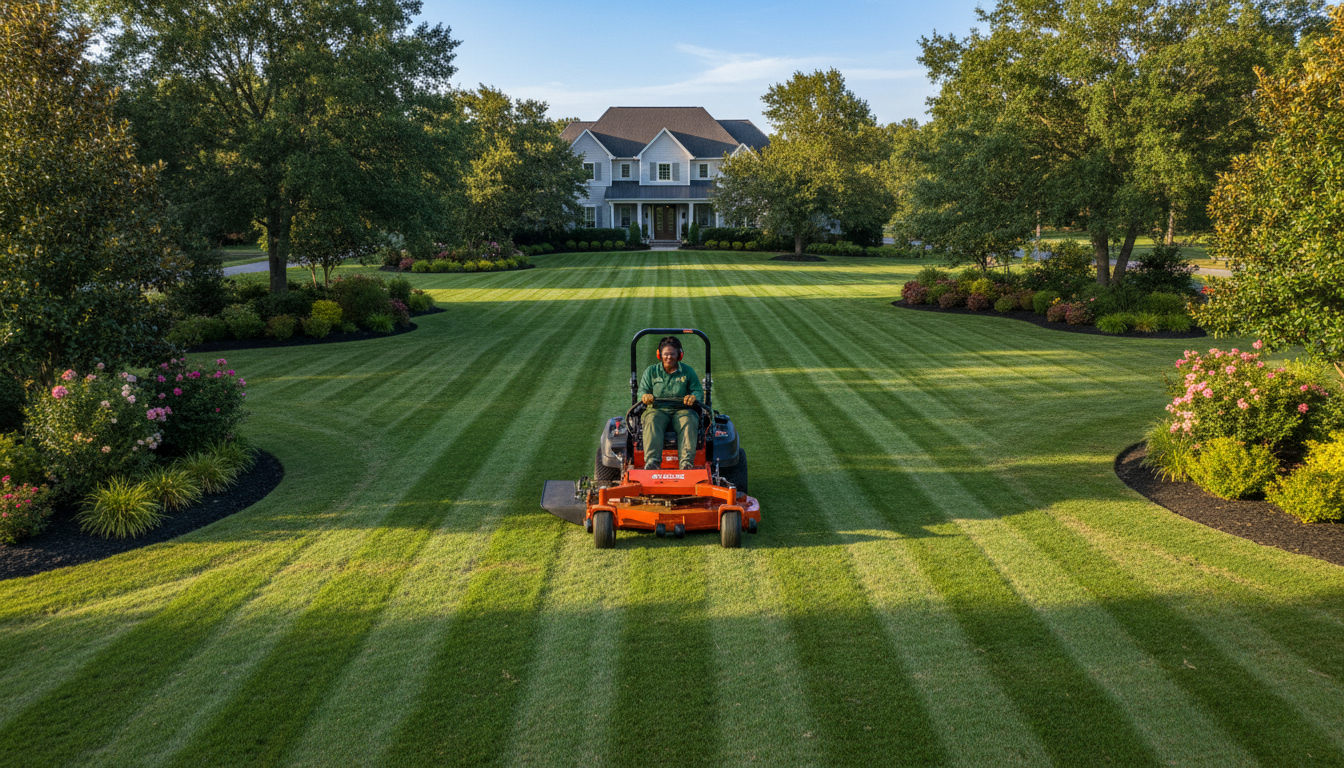
Keep your mower blades sharp to ensure even cuts, which will prevent disease and give your lawn a neat appearance. Consider mowing in different patterns each time to avoid compacting the soil and creating ruts.
Effective Watering Strategies
Watering your lawn correctly can make all the difference. Early morning is the best time to water, as it reduces evaporation and fungal diseases. Lawns typically need about one inch of water per week, including rainfall.
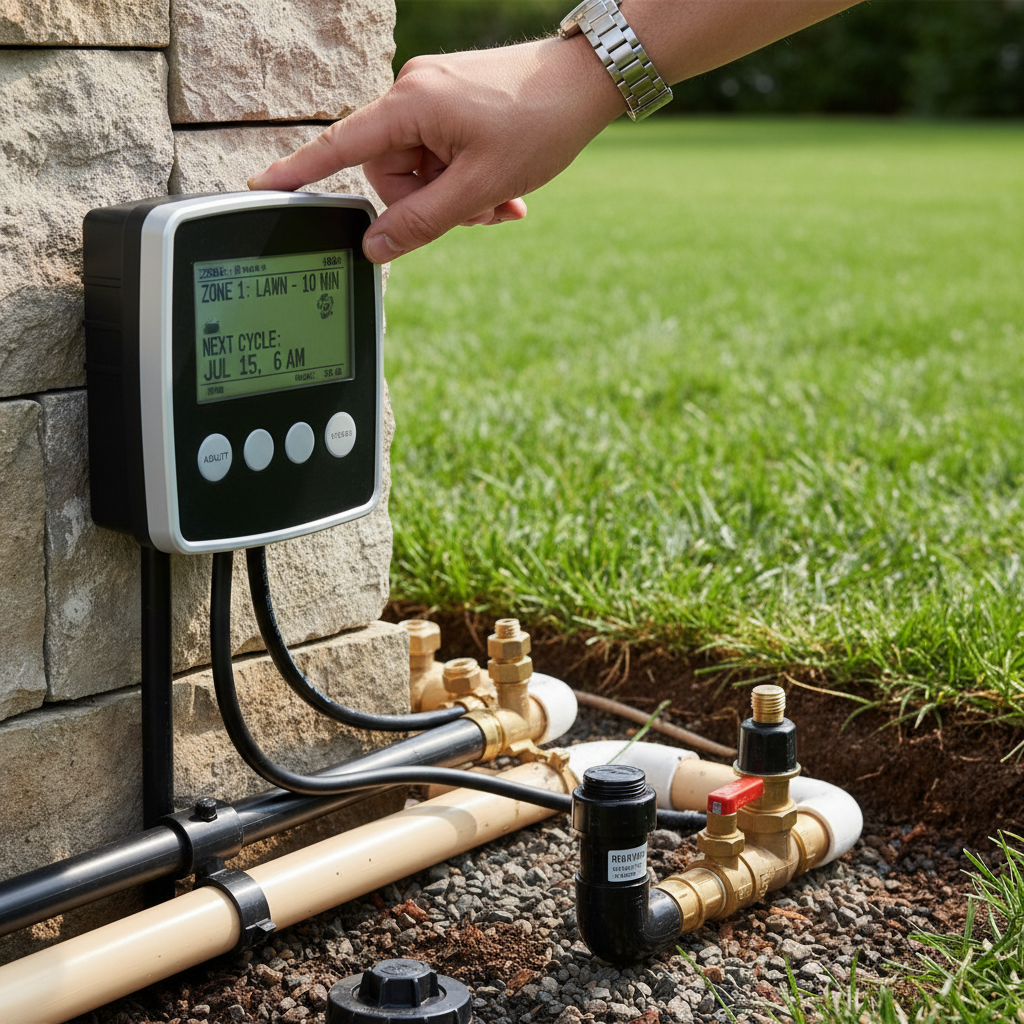
Invest in a rain gauge to monitor natural precipitation and adjust your watering schedule accordingly. Deep, infrequent watering encourages deep root growth, making your lawn more drought-resistant.
Fertilization and Weed Control
Nutrient-rich soil is vital for a vibrant lawn. Apply a balanced fertilizer in the spring and fall to support growth and prepare for seasonal changes. Be cautious not to over-fertilize, which can harm the grass and the environment.
For weed control, a healthy lawn is your best defense. Regular mowing, proper watering, and fertilization will minimize weed invasions. If necessary, apply a pre-emergent herbicide in early spring to prevent weeds from germinating.
Aeration and Over-Seeding
Aeration is a beneficial practice that involves perforating the soil to improve air and nutrient exchange. It reduces soil compaction and promotes healthier roots. Consider aerating your lawn every year or two, especially if it experiences heavy foot traffic.
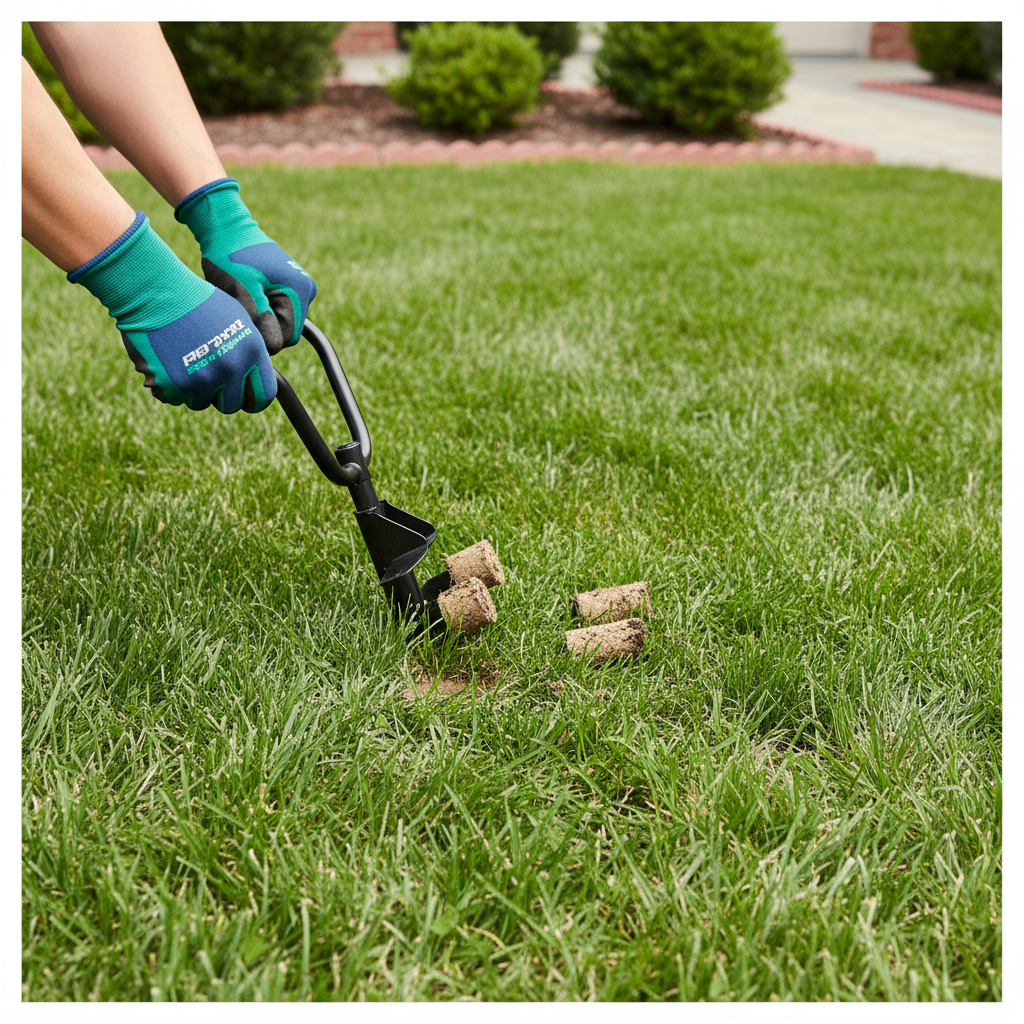
Following aeration, over-seeding can help fill in bare spots and improve the lawn's density. Choose a seed mix that matches your existing grass type for the best results.
Seasonal Lawn Care Tips
Each season requires specific lawn care actions. In spring, focus on cleaning up debris and applying fertilizers. Summer calls for consistent watering and mowing adjustments. Fall is the time for aeration and fertilization, preparing the lawn for winter dormancy.
During winter, clear away fallen leaves and avoid heavy foot traffic on frozen grass to prevent damage. Following these seasonal tips will ensure your lawn stays healthy year-round.