
DIY Lawn Care: Simple Steps for a Healthy Lawn


Introduction to DIY Lawn Care
A lush, green lawn can be the pride of any homeowner. While professional services are available, tackling lawn care yourself can be rewarding and cost-effective. With a few simple steps, you can keep your lawn healthy and vibrant.
Understanding the basics of lawn care can save you time and effort. By adopting a DIY approach, you'll gain firsthand experience and control over your lawn's appearance.

The Importance of Soil Health
Before you start mowing or watering, it's essential to understand your soil. Healthy soil is the foundation for a thriving lawn. Conduct a soil test to determine its pH level and nutrient content. This will help you in selecting the right fertilizers and amendments.
If your soil lacks essential nutrients, consider adding organic matter like compost. This not only enriches the soil but also improves its structure, allowing roots to grow deeply and absorb nutrients efficiently.
Proper Mowing Techniques
Mowing is more than just cutting grass. It's about maintaining the right height and promoting healthy growth. Always keep your mower blades sharp, as dull blades can tear the grass, making it susceptible to diseases.
Follow the one-third rule: never cut more than one-third of the grass height at once. This practice keeps your lawn looking neat and prevents stress on the grass.

Watering Wisely
Watering is crucial, but overwatering can lead to problems like fungus and shallow roots. Aim to water your lawn early in the morning to reduce evaporation and fungal growth. Most lawns require about 1 inch of water per week, including rainfall.
Invest in a rain gauge to monitor rainfall and adjust your watering schedule accordingly. Deep, infrequent watering encourages roots to grow deeper, making your lawn more drought-resistant.
Fertilizing for Growth
Fertilizing provides essential nutrients that your lawn needs to thrive. Choose a fertilizer based on your soil test results. Generally, a balanced fertilizer with nitrogen, phosphorus, and potassium is ideal for most lawns.
Apply fertilizer in the spring and fall when the grass is actively growing. Be sure to follow the manufacturer's instructions to avoid over-fertilization, which can harm the grass and the environment.
Weed and Pest Control
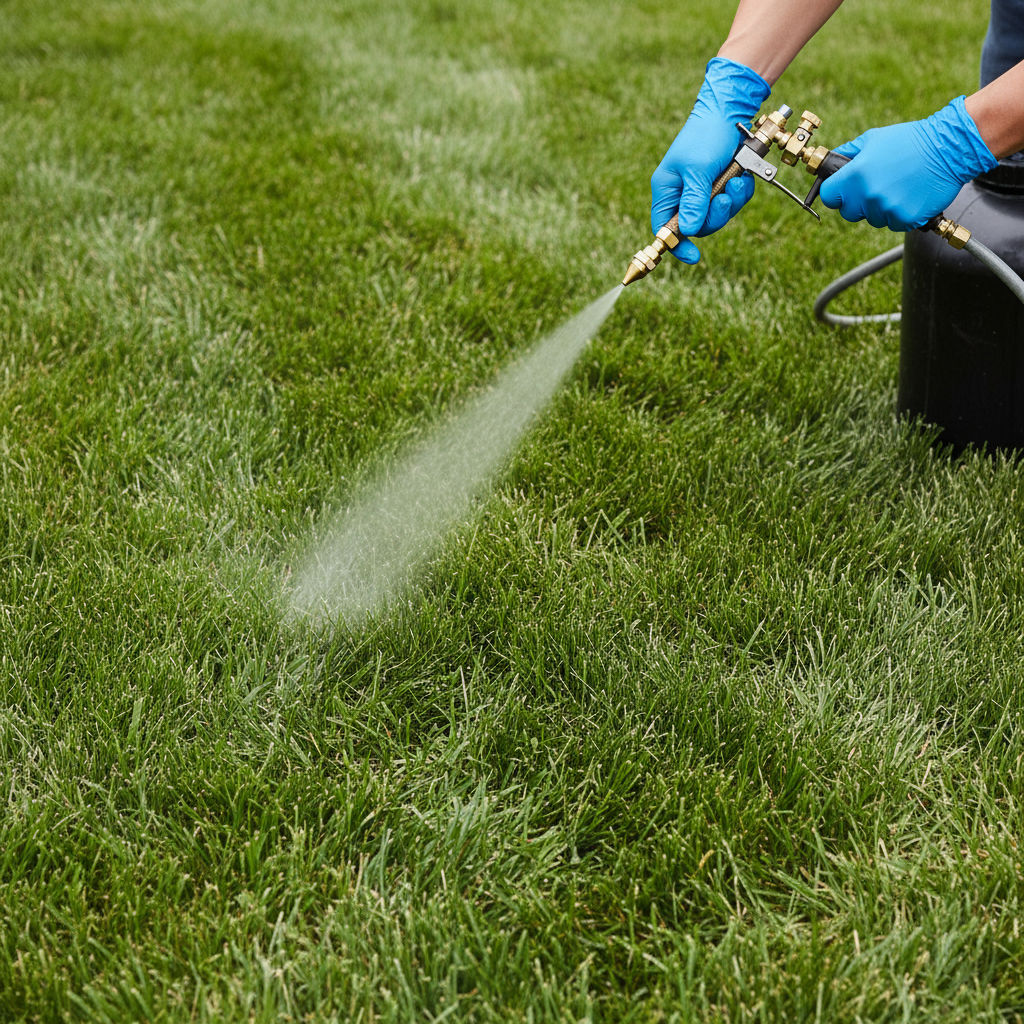
Weeds can quickly overtake a lawn if not managed properly. Regular mowing and maintaining healthy grass are your first lines of defense. For persistent weeds, consider using a selective herbicide that targets specific weeds without harming the grass.
Pests can also pose a threat to your lawn's health. Identify the pests affecting your lawn and choose an appropriate treatment. Natural options like introducing beneficial insects can be effective and environmentally friendly.
Aeration and Overseeding
Compacted soil can hinder root growth and water absorption. Aeration involves perforating the soil to allow air, water, and nutrients to penetrate the grass roots. This process can be done in the fall or spring, depending on your grass type.
Overseeding involves spreading grass seed over your existing lawn to improve its density. This practice helps fill in bare spots and enhances the lawn's overall appearance.