
DIY Lawn Care: Expert Tips from BJ Mowing for a Greener Lawn


Understanding Your Lawn
To achieve a lush, green lawn, it's essential to start with an understanding of your grass type and soil conditions. Different grasses thrive in different climates, so knowing what type you have will determine the best care practices. Additionally, conduct a soil test to assess pH levels and nutrient content, which will guide your fertilization and amendment choices.
Identifying your lawn's specific needs is crucial for effective maintenance. A well-informed approach will help you avoid common pitfalls and ensure your lawn remains healthy and vibrant.

Mowing Techniques for a Healthier Lawn
Mowing may seem straightforward, but proper technique can significantly impact your lawn’s health. Keep your mower blades sharp to ensure clean cuts, which help prevent disease. Mow regularly, but avoid cutting more than one-third of the grass height at a time to maintain optimal growth.
Adjust your mower height according to the season. In the warmer months, allow your grass to grow a bit longer to shade the soil and reduce water loss. Conversely, during cooler months, you can mow a bit shorter.
Watering Wisely
Watering your lawn efficiently is key to conserving water while promoting deep root growth. Water early in the morning to minimize evaporation and fungal diseases. Aim to water deeply and infrequently, which encourages roots to grow deeper and increases drought resistance.
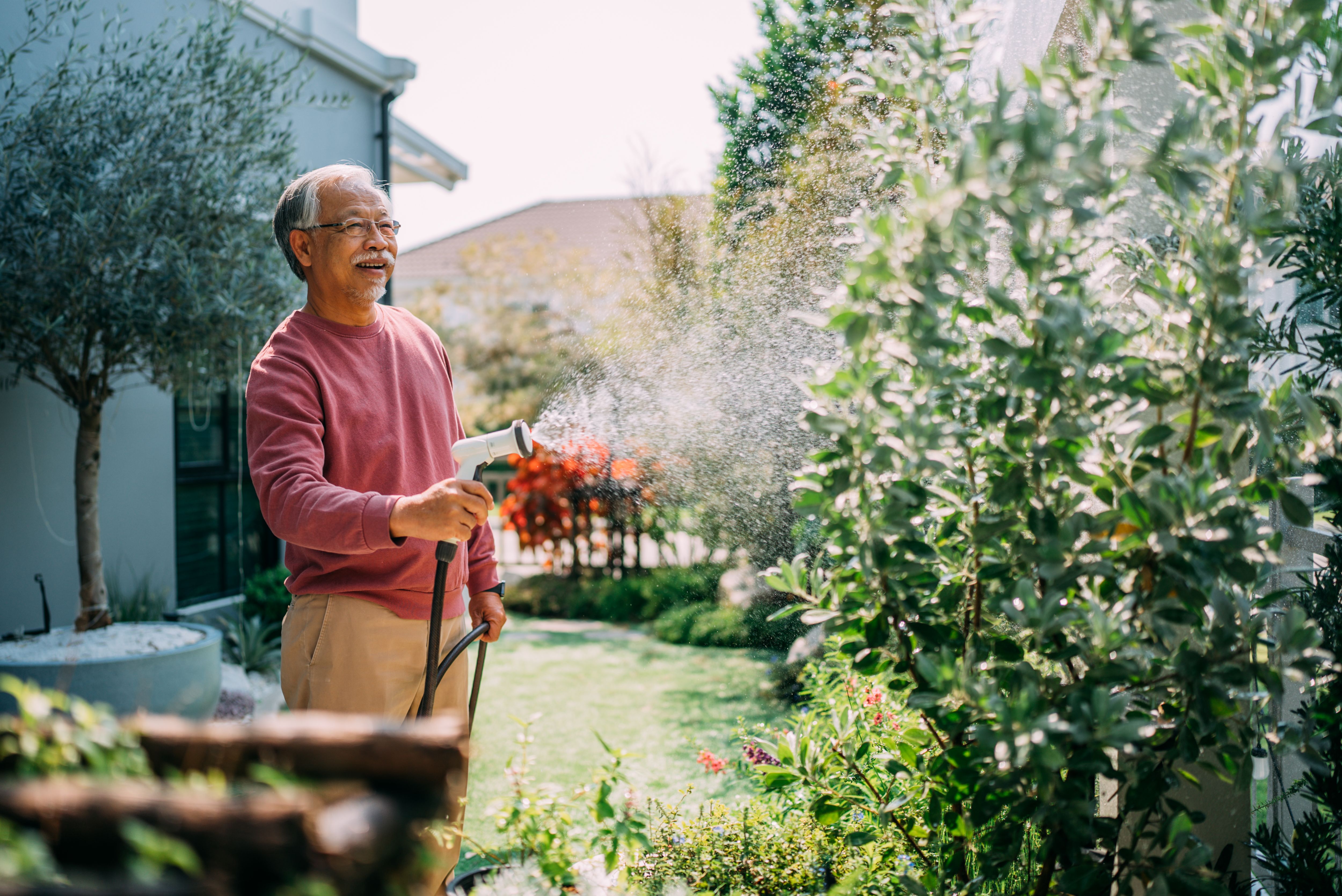
Invest in a good sprinkler system or timers to ensure even coverage and consistent scheduling. Your lawn will thrive with the right balance of moisture and care.
Feeding and Fertilization
Fertilization provides the essential nutrients your lawn needs to stay green and lush. Use a balanced fertilizer and apply it according to your grass type and soil test results. Spring and fall are ideal times for fertilization, as these seasons support active grass growth.
Consider organic options to reduce chemical use and promote a more sustainable lawn. Proper fertilization not only enhances your lawn's appearance but also strengthens it against pests and diseases.
Controlling Weeds and Pests
Weeds and pests can quickly undermine your lawn care efforts. Regularly inspect your lawn to catch any issues early. Employ a combination of manual removal and organic treatments to manage weeds effectively. For pest control, encourage beneficial insects and consider natural solutions such as neem oil or diatomaceous earth.
Consistent lawn maintenance practices, such as aeration and overseeding, can also prevent weed and pest infestations by promoting a dense and healthy turf.
Aeration and Overseeding
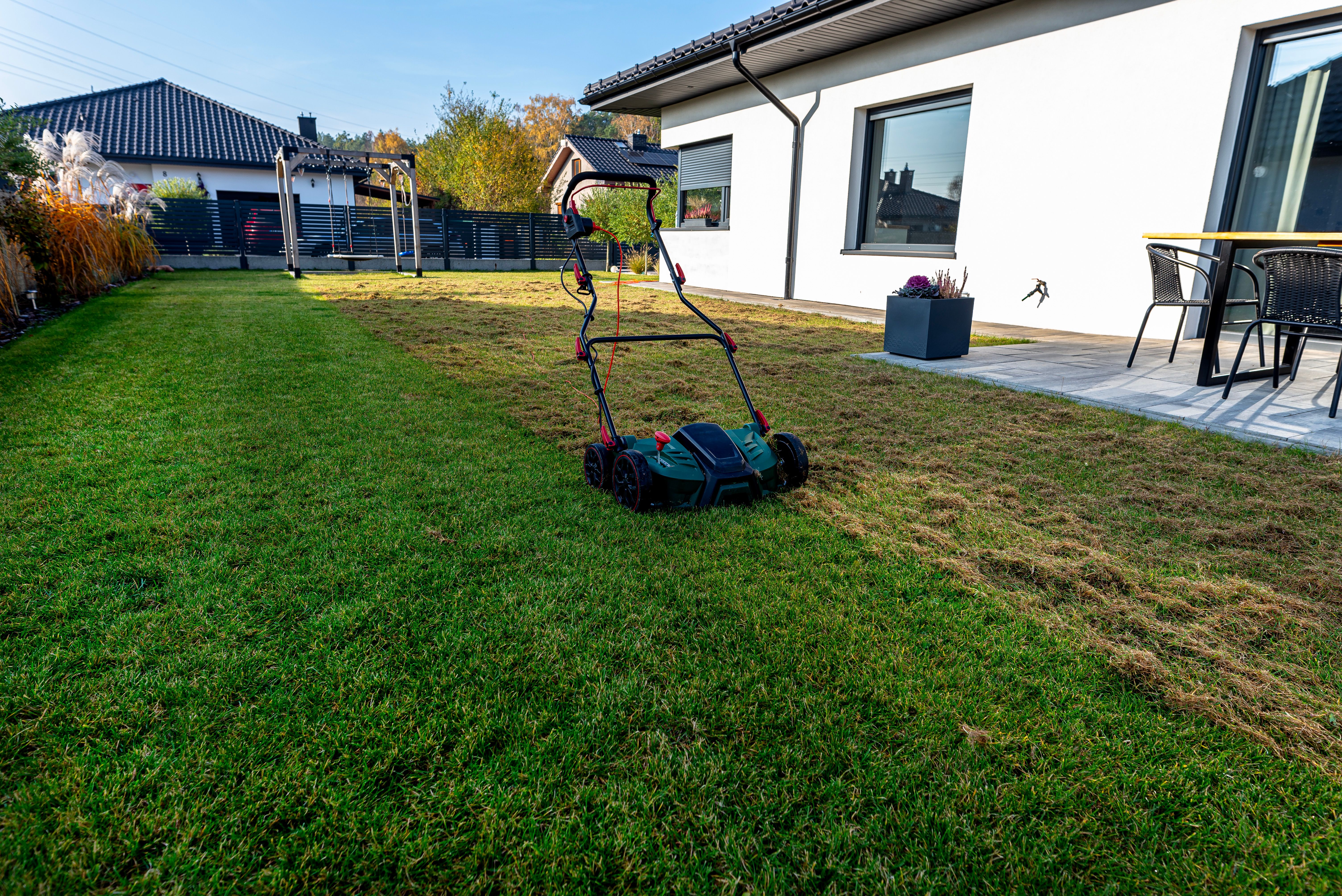
Aeration involves perforating the soil with small holes to improve air, water, and nutrient penetration. This process helps alleviate soil compaction, promoting healthier root growth. Schedule aeration during your lawn’s peak growing season for the best results.
Overseeding involves spreading grass seed over your existing lawn to fill in bare spots and improve turf density. Combining aeration and overseeding can rejuvenate your lawn, giving it a fuller, greener appearance.
By following these expert tips from BJ Mowing, you'll be well on your way to a greener, healthier lawn. Consistency and attention to detail are key elements in effective lawn care. Happy gardening!