
DIY Lawn Care: Expert Tips for Maintaining a Beautiful Garden at Home


Creating and maintaining a beautiful garden at home can feel like a daunting task, but with the right knowledge and tools, DIY lawn care can be both rewarding and straightforward. Whether you're a seasoned gardener or just starting out, these expert tips will help you achieve a lush, green lawn that enhances your home's curb appeal.
Understanding Your Soil
The foundation of any great garden is the soil. Before planting, it's essential to understand your soil type. Conducting a soil test will reveal important information such as pH levels and nutrient content, allowing you to make informed decisions about fertilization and plant selection.
Once you know your soil type, you can amend it as necessary. For example, sandy soil may require organic matter to improve water retention, while clay soil might need sand or gypsum to enhance drainage.

Choosing the Right Grass
Selecting the appropriate grass for your region and climate is crucial. Consider factors like sunlight exposure, foot traffic, and maintenance preferences. Popular grass types include Bermuda, Kentucky Bluegrass, and Fescue, each with unique characteristics and care requirements.
Make sure to choose a grass variety that complements your lifestyle. Some grasses are drought-resistant, while others are better suited for cooler climates or shaded areas.
Watering Wisely
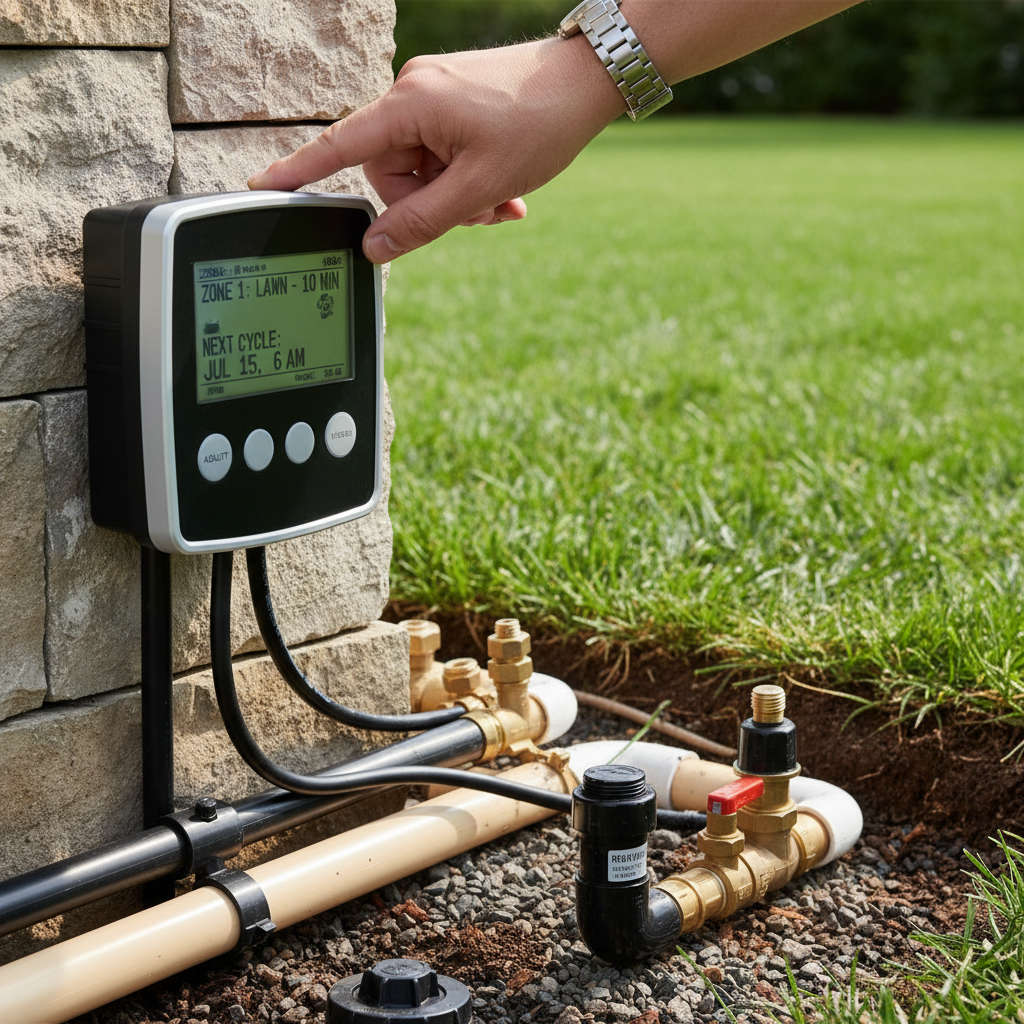
Proper watering is key to maintaining a healthy lawn. Watering deeply and less frequently encourages roots to grow deeper, making your lawn more resilient to drought. Aim to water early in the morning to minimize evaporation and fungal diseases.
Using a rain gauge can help determine if your lawn is receiving adequate moisture. Typically, lawns need about 1 inch of water per week, including rainfall.
Mowing Techniques
Mowing your lawn correctly can greatly impact its health. Keep mower blades sharp and set them to the appropriate height for your grass type. Avoid cutting more than one-third of the grass blade length at a time to prevent stress and promote growth.
Consider leaving grass clippings on the lawn after mowing. This practice, known as “grasscycling,” returns valuable nutrients to the soil and reduces the need for additional fertilizers.
Fertilization and Weed Control
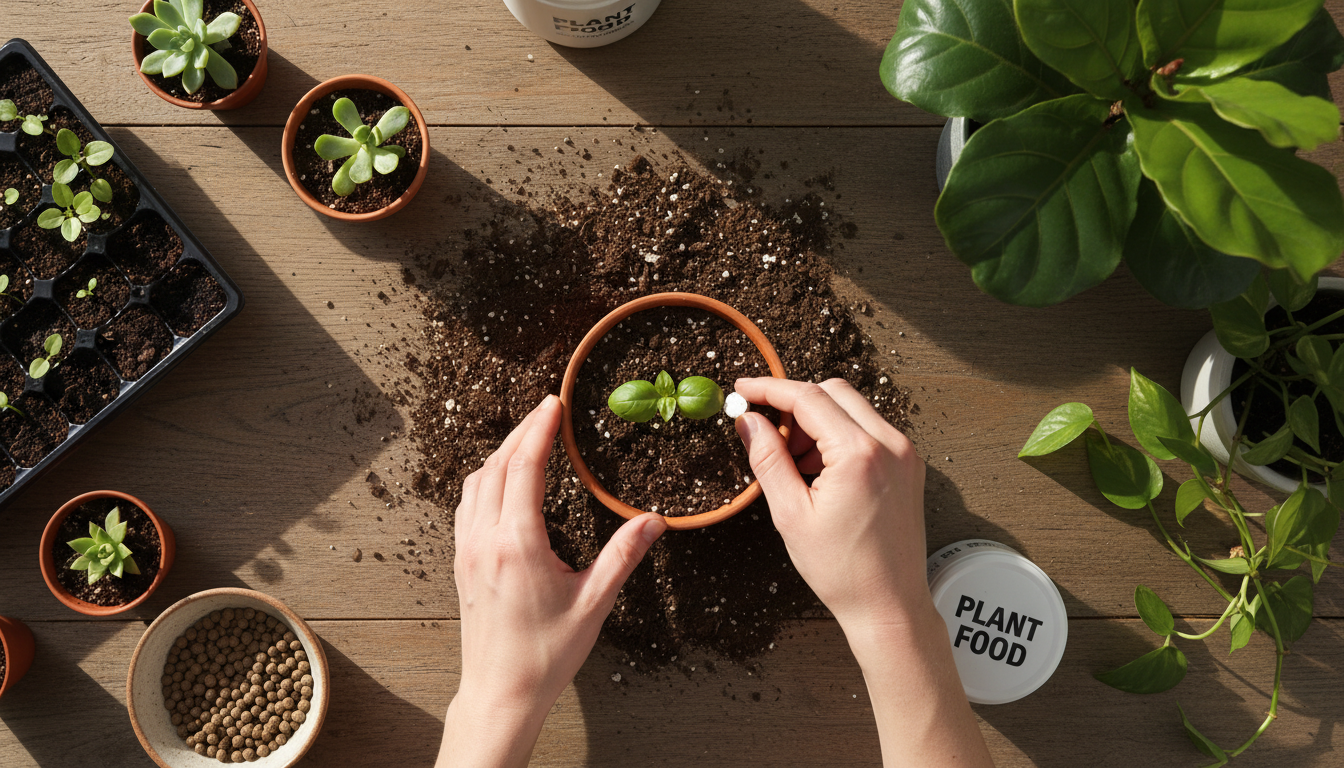
Fertilizing your lawn provides essential nutrients that promote growth and color. Choose a balanced, slow-release fertilizer and apply it according to the season and your grass type's specific needs.
For weed control, consider using natural options like vinegar or corn gluten meal, especially if you prefer organic gardening practices. Regularly pulling weeds by hand can also prevent them from spreading.
Dealing with Pests
Pests can pose a challenge to maintaining a beautiful lawn. Identifying the specific pests affecting your garden is the first step in finding an effective solution. Many gardeners opt for integrated pest management, combining biological, cultural, and mechanical methods to control pests without relying heavily on chemicals.
Encouraging beneficial insects like ladybugs and using natural deterrents can help maintain a healthy garden ecosystem.
Seasonal Lawn Care
Each season brings unique challenges and opportunities for lawn care. In spring, focus on aeration and fertilization; summer requires vigilant watering and mowing; fall is ideal for overseeding and mulching; and winter involves preparing your lawn for dormancy.
By tailoring your lawn care routine to the seasons, you can ensure that your garden remains vibrant and thriving year-round.

With these expert tips in hand, you can take charge of your lawn care and enjoy the satisfaction of a beautiful, well-maintained garden. Remember, consistency and attention to detail are the keys to success in DIY lawn care.