
DIY Lawn Care: Easy Steps for a Lush Green Lawn


Getting Started with DIY Lawn Care
A lush, green lawn is the pride of any homeowner, and achieving it doesn't have to be a daunting task. With some basic knowledge and a bit of effort, you can transform your yard into a verdant oasis. The key is understanding the essential steps and following them consistently.
Before diving into lawn care, assess the current state of your grass. Look for areas that need extra attention and identify any weeds or pests that may be present. This initial evaluation will guide your approach, ensuring that your efforts are well-targeted.
Essential Lawn Care Tools
Having the right tools makes lawn care much easier and more effective. Some essential tools include a lawnmower, rake, garden hose, sprinkler, and a spreader for seeds or fertilizer. These will help you maintain your lawn efficiently and keep it looking its best.
Invest in quality equipment that suits your lawn's size and needs. While it might be tempting to choose the cheapest options, durable tools often save money in the long run by lasting longer and providing better performance.
Regular Mowing and Edging
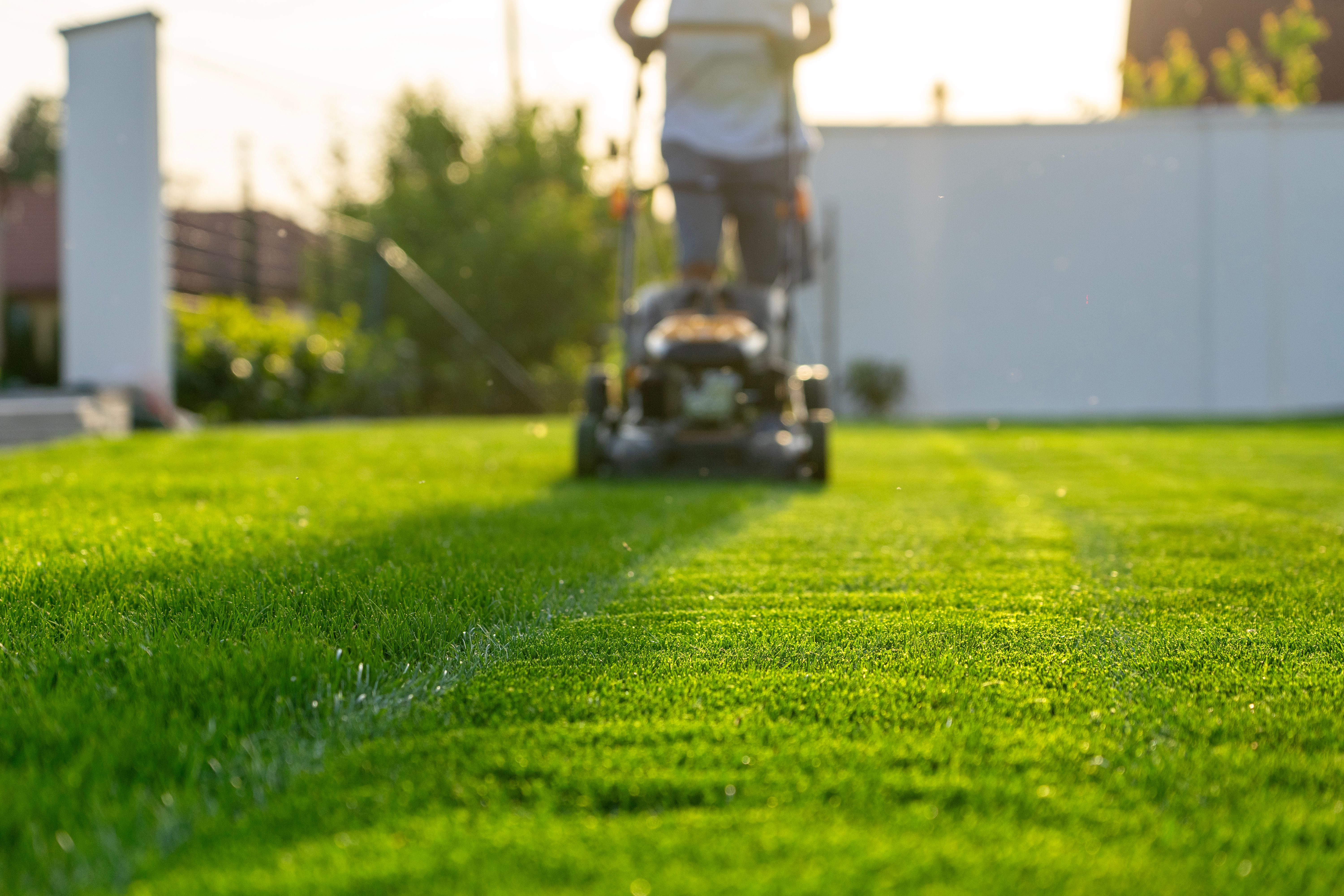
Consistent mowing is crucial for a healthy lawn. Keep your grass at an optimal height, generally around 2.5 to 3 inches for most types. Mowing regularly encourages growth and helps prevent weeds from taking over.
Edge your lawn to create a clean, defined boundary. This not only improves appearance but also helps prevent grass from invading flower beds or walkways. A string trimmer or manual edger can make this task easier.
Watering Wisely
Watering is vital for maintaining vibrant grass. The best time to water is early in the morning, which minimizes evaporation and allows the moisture to penetrate deeply into the soil. Aim for about 1 to 1.5 inches of water per week, including rainfall.
Overwatering can lead to shallow roots and disease, so be mindful of your lawn's specific needs. Using a sprinkler system with a timer can help ensure consistent and efficient watering.
Fertilizing for Growth
Fertilizing provides your lawn with essential nutrients that promote strong growth and rich color. Choose a fertilizer that suits your grass type and season. A balanced, slow-release fertilizer is often a good choice for most lawns.
Apply fertilizer carefully, following the instructions on the package. Over-fertilizing can harm your lawn and the environment, so precision is key.

Dealing with Weeds and Pests
Weeds and pests can quickly disrupt your lawn's health and appearance. Regularly inspect your grass for signs of trouble and address issues promptly. Manual removal or targeted herbicides can be effective for weed control.
If pests are a problem, identify the specific culprits and choose appropriate treatment methods. Natural solutions, such as beneficial insects, can sometimes provide an eco-friendly alternative to chemical pesticides.
Aerating and Overseeding
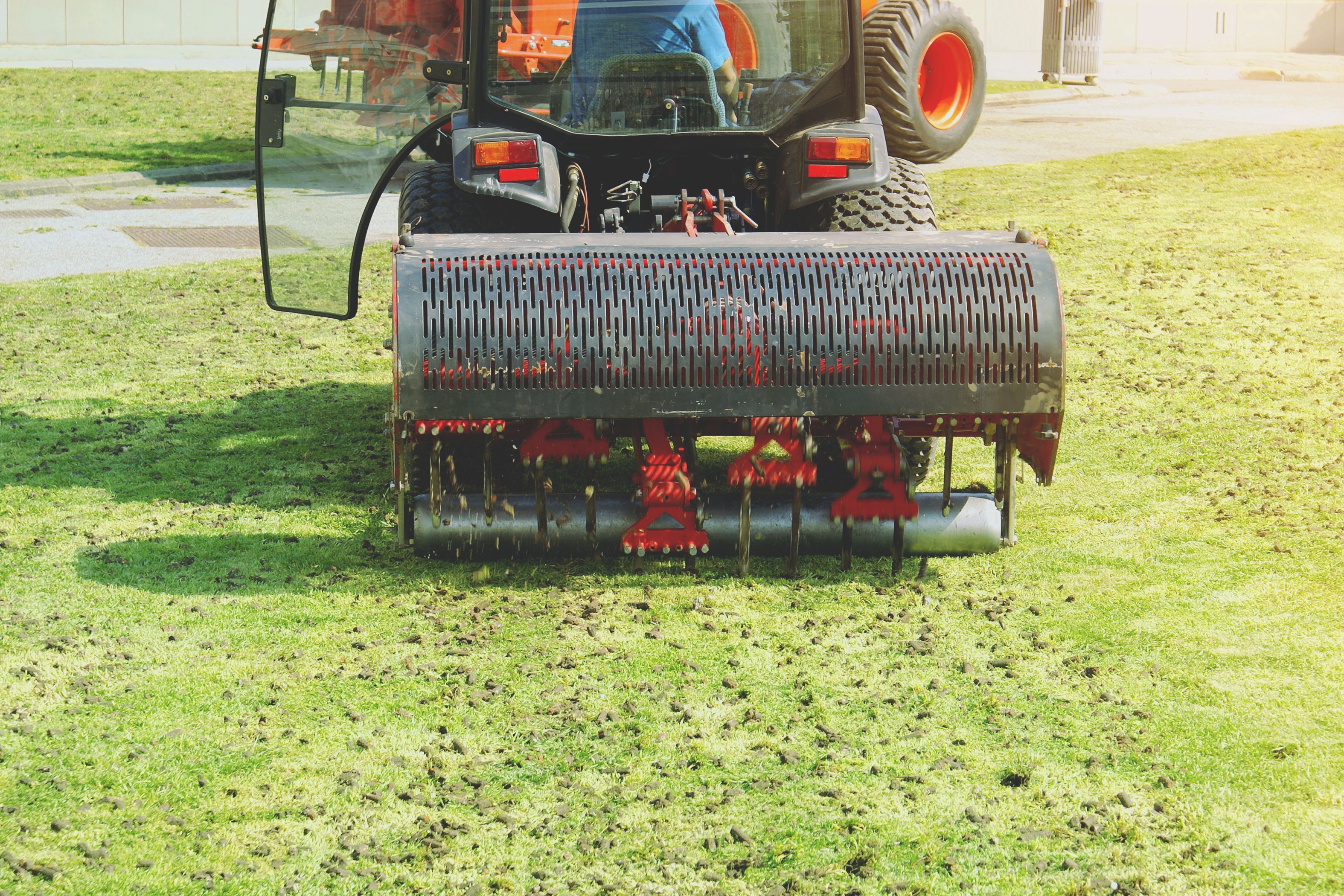
Aerating your lawn helps improve air and nutrient flow to the roots. This process involves perforating the soil with small holes to allow better penetration. Aeration is particularly beneficial for compacted soil or lawns with heavy foot traffic.
Overseeding, or spreading grass seed over existing turf, can help thicken your lawn and repair bare spots. Choose a seed variety that matches your current grass for the best results.
Consistent Care for Long-Term Success
Maintaining a lush, green lawn is an ongoing process that requires regular care and attention. By following these steps and adapting them to your specific conditions, you can enjoy a beautiful yard year-round.
Remember, patience and persistence are key. With time and effort, your DIY lawn care routine will yield a thriving landscape that enhances your home's beauty and value.