Debunking Lawn Care Myths: What Really Matters


When it comes to maintaining a lush, green lawn, there's a lot of information floating around. Unfortunately, not all of it is accurate. To help you achieve the perfect lawn, we're debunking some common myths about lawn care and highlighting what truly matters.
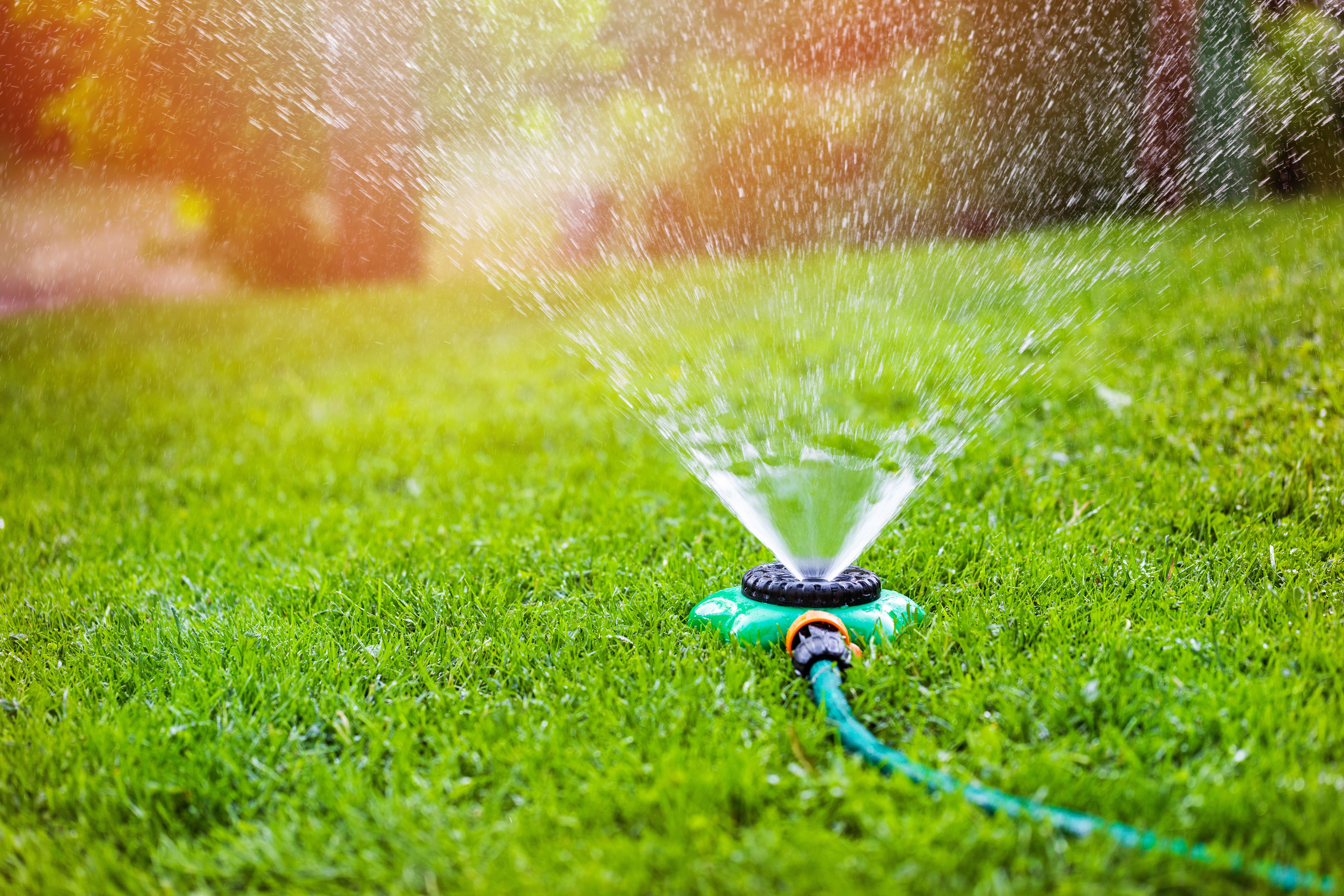
Myth 1: Frequent Watering is Essential
Many believe that watering the lawn every day is necessary for its health. However, this can lead to shallow root growth and increased susceptibility to disease. Instead, it's more beneficial to water deeply but less frequently. This encourages roots to grow deeper into the soil, making your lawn more resilient.
For most lawns, watering once or twice a week is sufficient, depending on the local climate and soil conditions. Make sure to water early in the morning or late in the evening to minimize evaporation.
Myth 2: Grass Clippings Must Be Removed
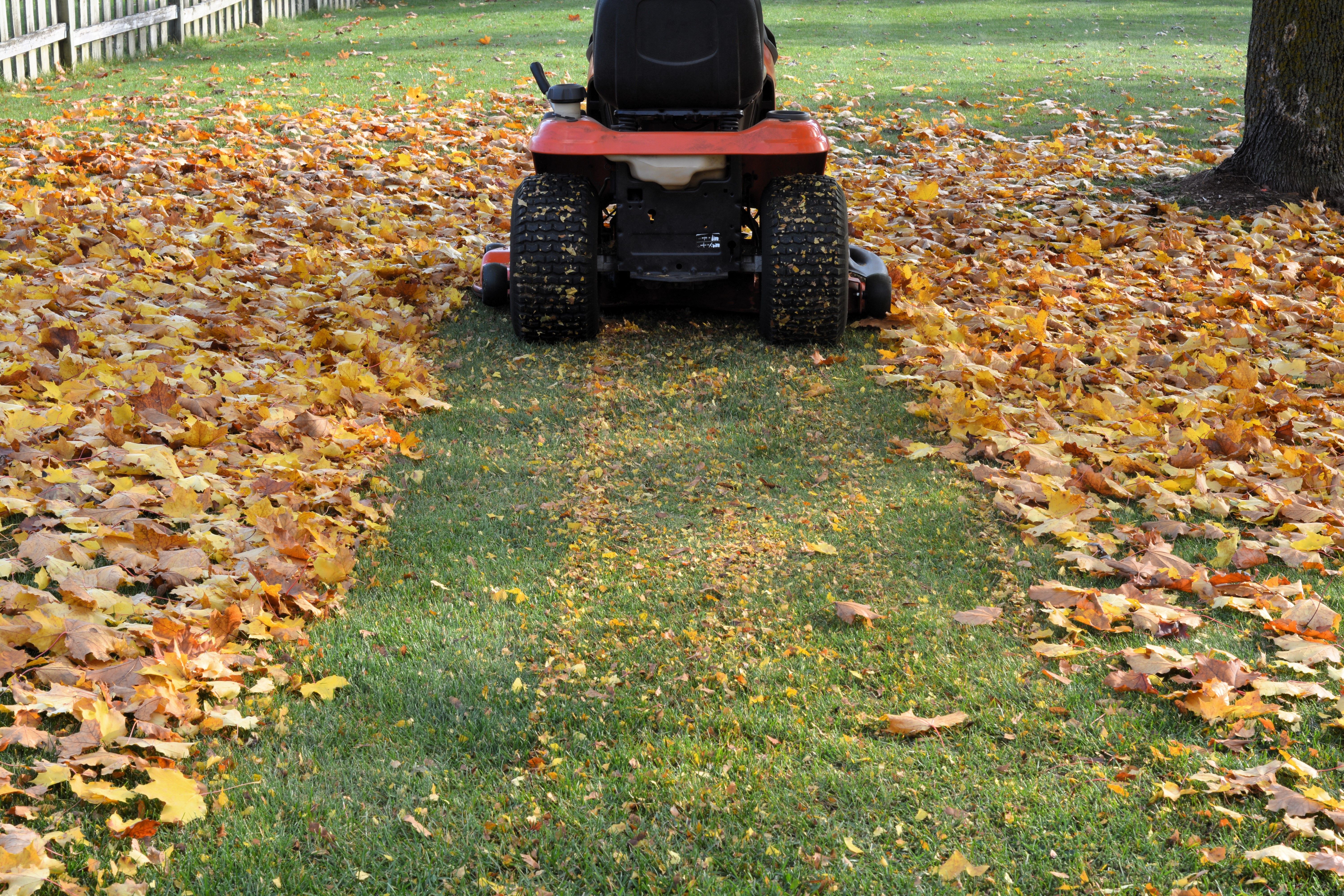
Some homeowners bag their grass clippings, believing it's necessary for lawn health. In reality, leaving clippings on the lawn can be beneficial. The clippings decompose quickly, returning valuable nutrients like nitrogen back to the soil.
This practice, known as "grasscycling," can reduce the need for additional fertilization and improve soil health over time.
How to Grasscycle Effectively
To grasscycle effectively, ensure your mower blades are sharp and mow regularly. This keeps the clippings short and allows them to decompose quickly.
Myth 3: Fertilizing More Means a Greener Lawn
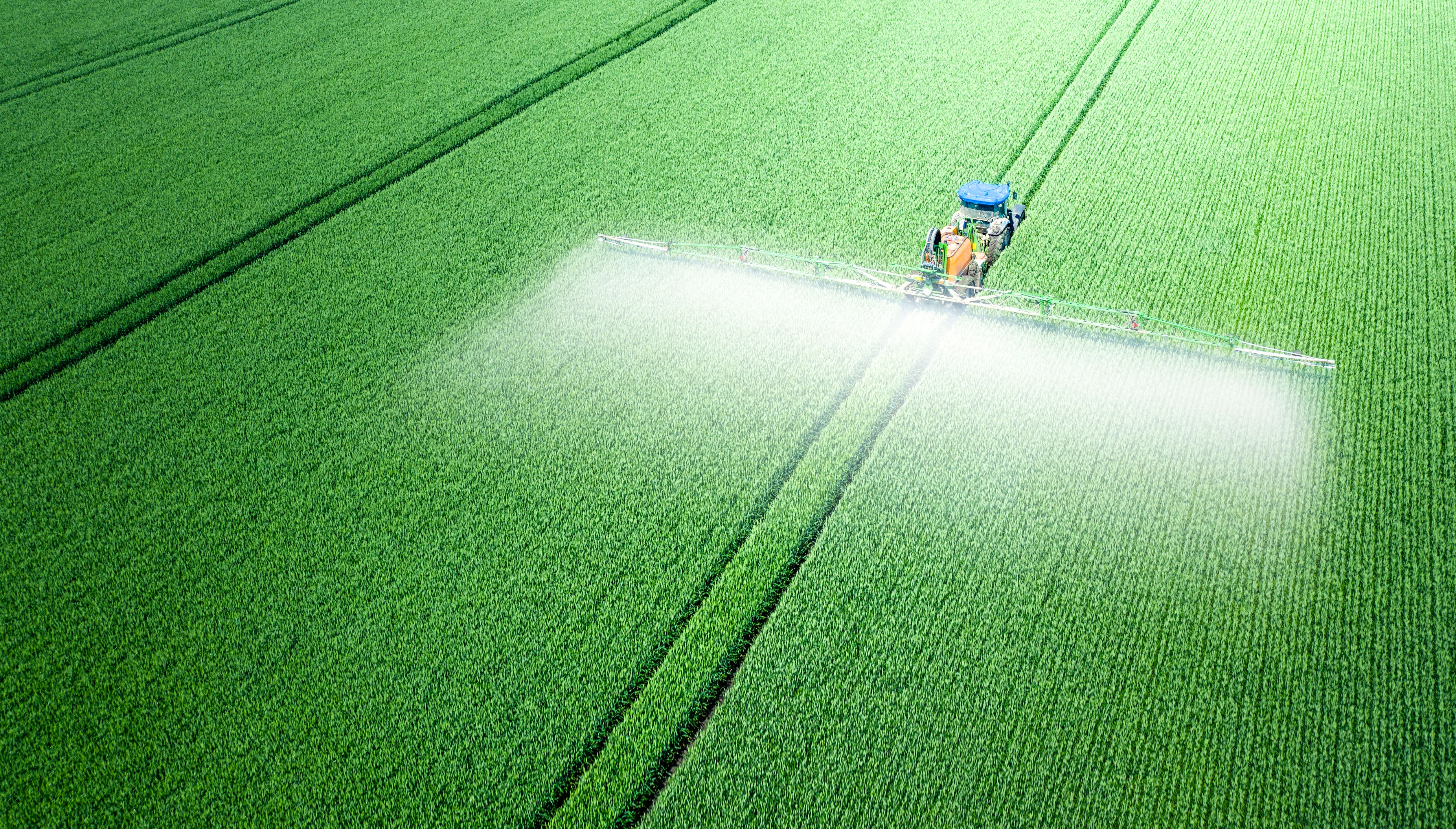
It's a common misconception that more fertilizer will automatically result in a greener lawn. Over-fertilizing can actually harm your lawn, leading to nutrient imbalances and environmental damage.
Instead, focus on using the right type of fertilizer for your grass type and soil condition. Conduct a soil test to determine the specific needs of your lawn. Applying the correct amount of fertilizer at the right time is key to maintaining healthy growth.
Understanding Fertilizer Labels
Fertilizer labels can be confusing. Look for the N-P-K ratio, which stands for nitrogen, phosphorus, and potassium. These are the primary nutrients your lawn needs. Choose a balanced formula that suits your lawn's requirements.
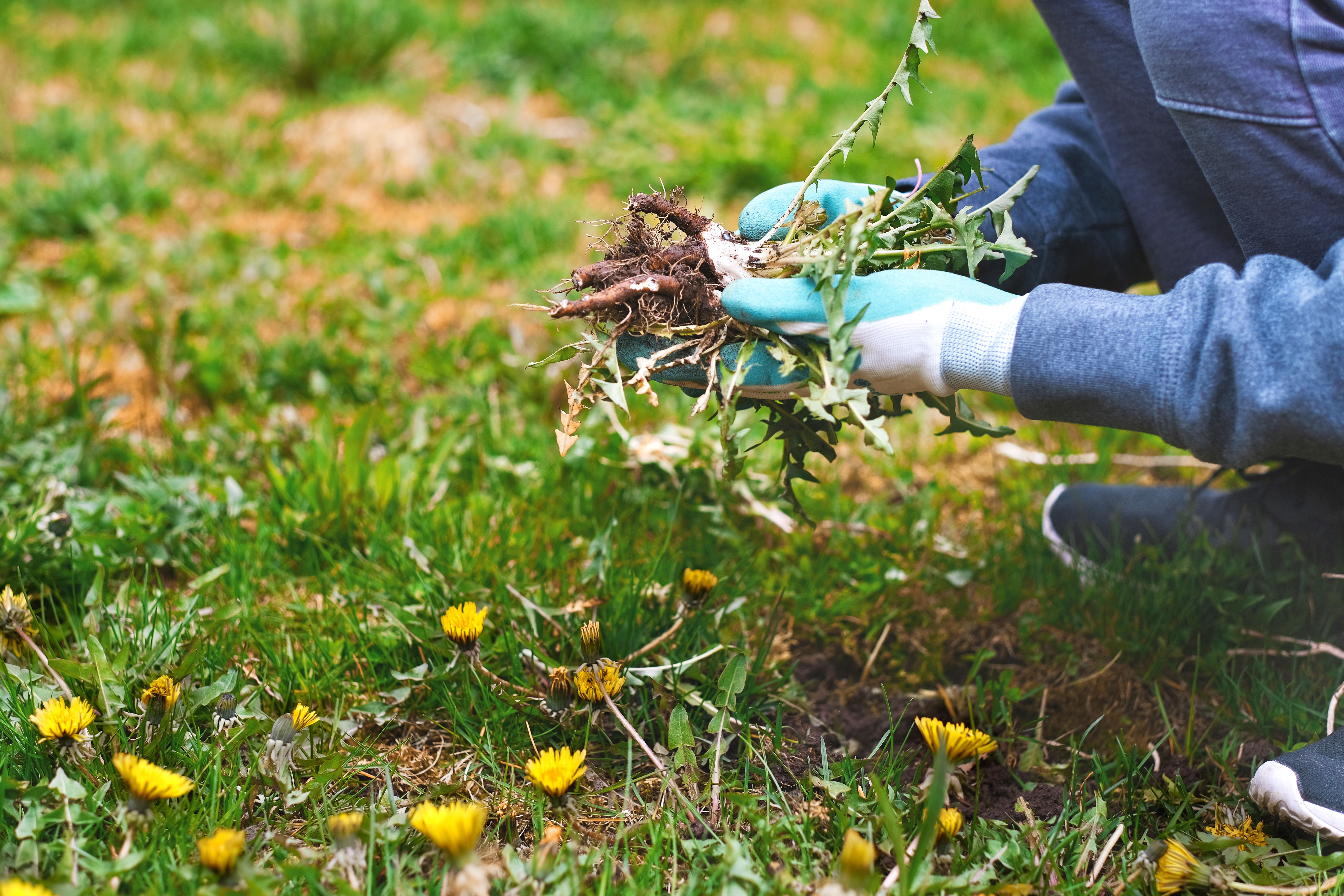
Myth 4: Weeds Are a Sign of Poor Lawn Care
Weeds can grow in even the most meticulously cared-for lawns. They often exploit gaps in the grass or areas where the soil is compacted. While a healthy lawn can suppress weed growth, the occasional weed is not necessarily a sign of neglect.
To manage weeds effectively, maintain a dense lawn by mowing at the correct height and aerating the soil to reduce compaction. If needed, use targeted herbicides sparingly to control persistent weeds.
By understanding these myths and focusing on proven lawn care practices, you can cultivate a healthy and beautiful lawn that thrives all season long.