
Creating a Sustainable Garden: Eco-Friendly Practices


Understanding Sustainable Gardening
Creating a sustainable garden is an excellent way to contribute to a healthier planet while enjoying fresh produce and beautiful landscapes. By adopting eco-friendly practices, gardeners can minimize their environmental impact, conserve resources, and support local biodiversity. This guide will help you understand the basics of sustainable gardening and how to implement them in your own space.
Choosing Native Plants
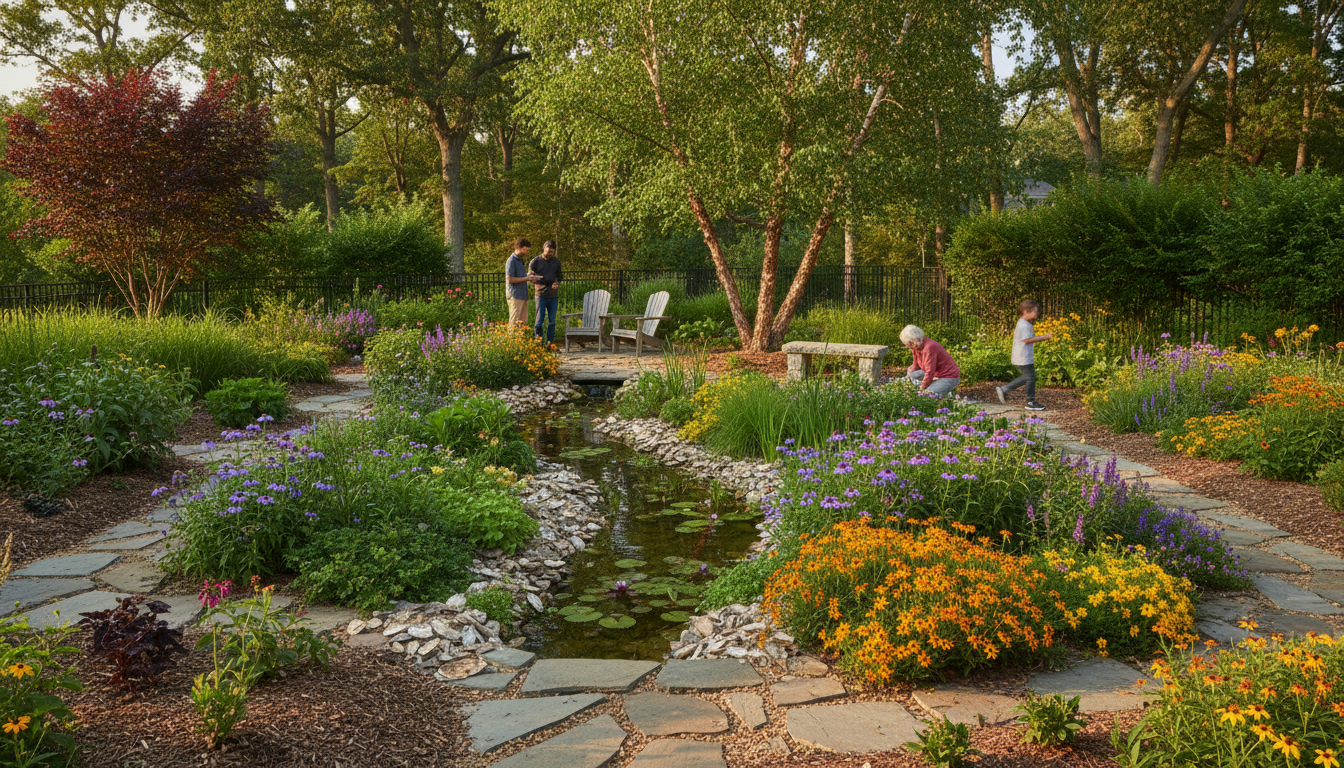
One of the key aspects of sustainable gardening is selecting native plants. Native species are adapted to the local climate and soil conditions, requiring less water, fertilizers, and pesticides. They also provide essential habitats for local wildlife. Research the native plants in your area and consider incorporating them into your garden design.
Benefits of Native Plants
Native plants offer numerous benefits, including increased resistance to pests and diseases and improved soil health. They also support pollinators like bees and butterflies, which are crucial for maintaining biodiversity. By prioritizing native species, you can create a thriving ecosystem right in your backyard.
Water Conservation Techniques
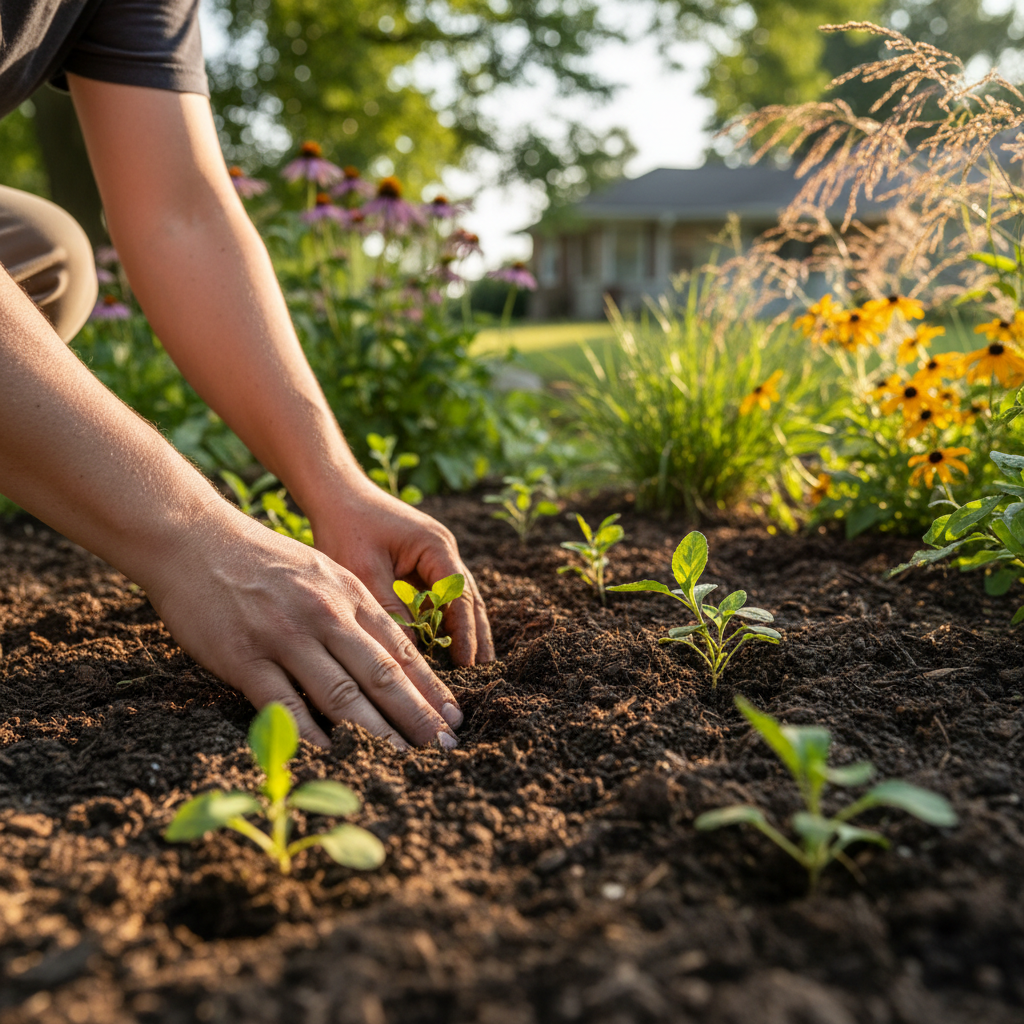
Water is a precious resource, and conserving it is vital for sustainable gardening. Implementing water-saving techniques can help reduce your garden's water consumption without sacrificing plant health. Here are some tips:
- Install a rainwater harvesting system to collect and store rainwater for irrigation.
- Use drip irrigation to deliver water directly to the plant roots, minimizing evaporation.
- Mulch your garden beds to retain soil moisture and reduce the need for frequent watering.
Smart Irrigation Systems
Consider investing in a smart irrigation system that uses weather data and soil moisture levels to optimize watering schedules. These systems can significantly reduce water usage and ensure your plants receive the right amount of hydration.

Composting for Healthy Soil
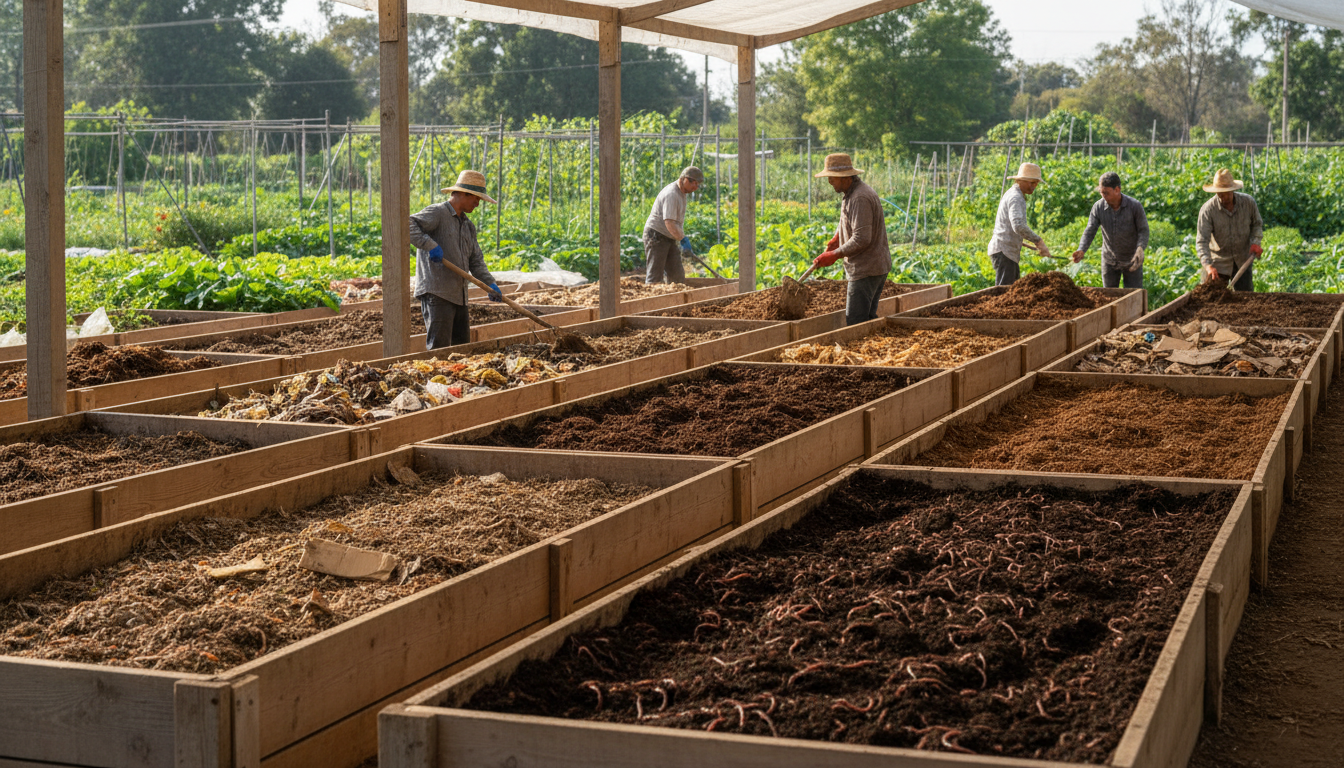
Composting is a cornerstone of sustainable gardening. By turning kitchen scraps and yard waste into nutrient-rich compost, you can improve soil structure, enhance fertility, and reduce the need for synthetic fertilizers. Start a compost pile or bin in your garden and regularly add organic materials like fruit peels, vegetable trimmings, and grass clippings.
Composting Best Practices
To create high-quality compost, maintain a balance between green materials (rich in nitrogen) and brown materials (rich in carbon). Turn the pile regularly to aerate it and speed up decomposition. With time and care, you'll produce a valuable soil amendment that boosts plant growth and reduces waste.
Integrated Pest Management
Integrated Pest Management (IPM) is an eco-friendly approach to controlling garden pests. Instead of relying on chemical pesticides, IPM emphasizes prevention, monitoring, and control strategies that are safe for the environment. Here are some IPM techniques:
- Encourage beneficial insects, such as ladybugs and lacewings, that prey on harmful pests.
- Use physical barriers like row covers to protect plants from insects.
- Implement crop rotation to disrupt pest life cycles.
By adopting these sustainable practices, you can create a vibrant, eco-friendly garden that supports the environment and provides a sanctuary for both plants and wildlife. Start your journey towards sustainable gardening today and enjoy the numerous benefits it brings to your home and community.