
Common Myths About Lawn Care Debunked


Myth 1: Watering Daily is Essential
One of the most common lawn care myths is that your lawn needs to be watered every day. In reality, overwatering can lead to shallow root growth and increased susceptibility to disease. Most lawns only require about 1 to 1.5 inches of water per week, which can often be achieved with a deep watering once or twice weekly.

Proper watering encourages deep root systems, making your lawn more resilient to heat and drought. It's crucial to adjust your watering schedule based on weather conditions and soil type. Instead of sticking to a rigid daily routine, observe your lawn's needs and adapt accordingly.
Myth 2: Mowing Short is Better
Many homeowners believe that mowing their lawn as short as possible will reduce the frequency of mowing. However, cutting grass too short can stress the plants and weaken their root systems. This practice, known as "scalping," can also make your lawn more vulnerable to weeds and pests.
For a healthy lawn, aim to keep grass at its optimal height, which varies depending on the type of grass. A general rule is to never remove more than one-third of the grass blade in a single mowing session. Taller grass shades the soil, retaining moisture and promoting stronger roots.

Myth 3: Fertilizer is a One-Time Fix
Fertilizer is often thought of as a magic solution for all lawn problems, but it's not a one-size-fits-all remedy. Lawns require nutrients in varying amounts throughout the growing season. Applying too much fertilizer can lead to runoff that harms the environment and causes excessive growth that requires more frequent mowing.
Understanding your soil's nutrient needs is key. Consider conducting a soil test to determine the specific nutrients your lawn requires. This will help you apply the right type and amount of fertilizer at the right time, promoting sustainable growth.
Myth 4: All Weeds Are Bad
While weeds are often seen as the enemy of a lush lawn, not all weeds are harmful. Some can actually benefit your lawn by improving soil health or attracting beneficial insects. For instance, clover can fix nitrogen in the soil, reducing the need for chemical fertilizers.
Instead of indiscriminately using herbicides, identify the types of weeds in your lawn and understand their impact. This approach allows you to manage them effectively without disrupting the ecosystem.
Myth 5: Aeration is Unnecessary
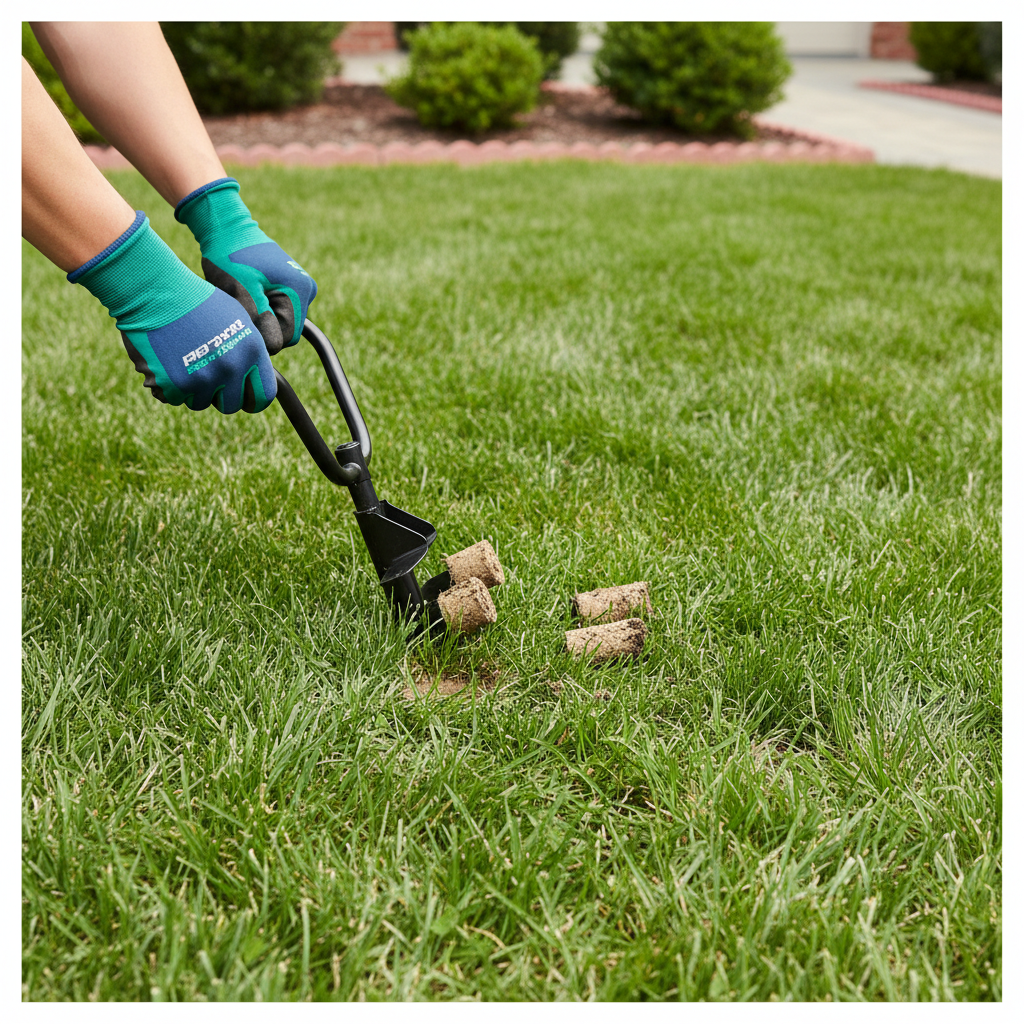
A common misconception is that aeration — the process of perforating the soil to allow air, water, and nutrients to penetrate — is an unnecessary step in lawn care. However, aeration is crucial, especially for compacted soil. It improves root growth and enhances the lawn’s ability to absorb nutrients.
Aerate your lawn at least once a year, particularly in high-traffic areas. This practice helps prevent thatch buildup and ensures your lawn remains healthy and vibrant.