
Common Lawn Mowing Mistakes and How to Avoid Them


Introduction
Maintaining a lush, green lawn is a source of pride for many homeowners. However, achieving that perfect lawn requires more than just regular mowing. Many people make common mowing mistakes that can hinder the health and appearance of their grass. In this post, we’ll explore these mistakes and offer tips on how to avoid them.

Mowing Too Short
One of the most frequent errors is cutting the grass too short. This is often referred to as “scalping” and can severely damage your lawn. Cutting the grass too low weakens the root system, making it susceptible to disease and drought.
How to Avoid Scalping
To prevent this, follow the “one-third rule”: never remove more than one-third of the grass blade in a single mowing. Adjust your mower's height according to the season and type of grass. A higher cut encourages deeper roots and a healthier lawn.
Ignoring Mower Maintenance
Another common mistake is neglecting the maintenance of your lawnmower. Dull blades can tear the grass, leading to brown, ragged edges and making the lawn more vulnerable to pests and diseases.
Keep Your Mower in Top Shape
Regularly check and sharpen your mower blades. Additionally, ensure the mower is clean and the engine is well-maintained. This not only improves the quality of the cut but also extends the life of your equipment.

Mowing With a Set Pattern
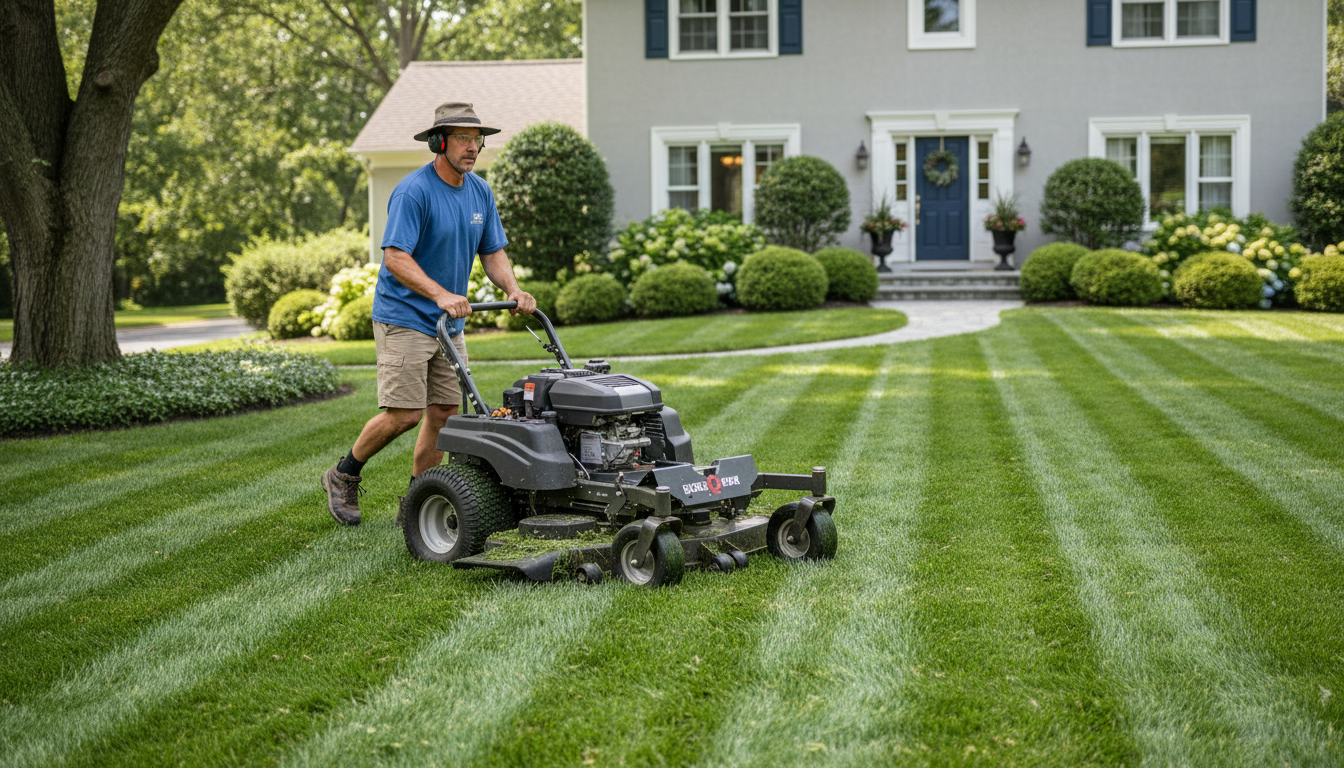
Mowing in the same direction or pattern every time may seem efficient, but it can cause the grass to lean in one direction and compact the soil, leading to unhealthy growth.
Change It Up
To avoid this, change your mowing pattern regularly. Alternate the direction each time you mow to prevent compaction and allow the grass to grow upright and strong.
Not Adjusting for Weather
Weather conditions greatly influence how and when you should mow. Mowing wet grass can cause clumping, while mowing during extreme heat can stress the grass.
Weather-Wise Mowing
Avoid mowing immediately after rain or watering. Instead, mow during cooler parts of the day, such as early morning or late afternoon, to reduce stress on the grass.
Ignoring Grass Type
Different types of grass require different mowing heights and frequencies. Ignoring the specific needs of your grass type can impact its health and appearance.
Know Your Grass
Research the ideal mowing practices for the type of grass in your lawn. This includes understanding the recommended height and the best time to mow based on the grass’s growth rate.
Conclusion
By avoiding these common lawn mowing mistakes, you can ensure a healthier, more vibrant lawn. Remember, a little extra care and attention to detail can go a long way in maintaining the beauty of your outdoor space. Happy mowing!