
Common Lawn Care Myths Debunked: What Really Works


Watering Myths
One of the most common myths in lawn care is that watering every day is essential for a lush lawn. In reality, frequent shallow watering can lead to weak root systems. Instead, it's best to water deeply but infrequently, encouraging roots to grow deeper into the soil. This approach strengthens the lawn and makes it more resilient to drought conditions.
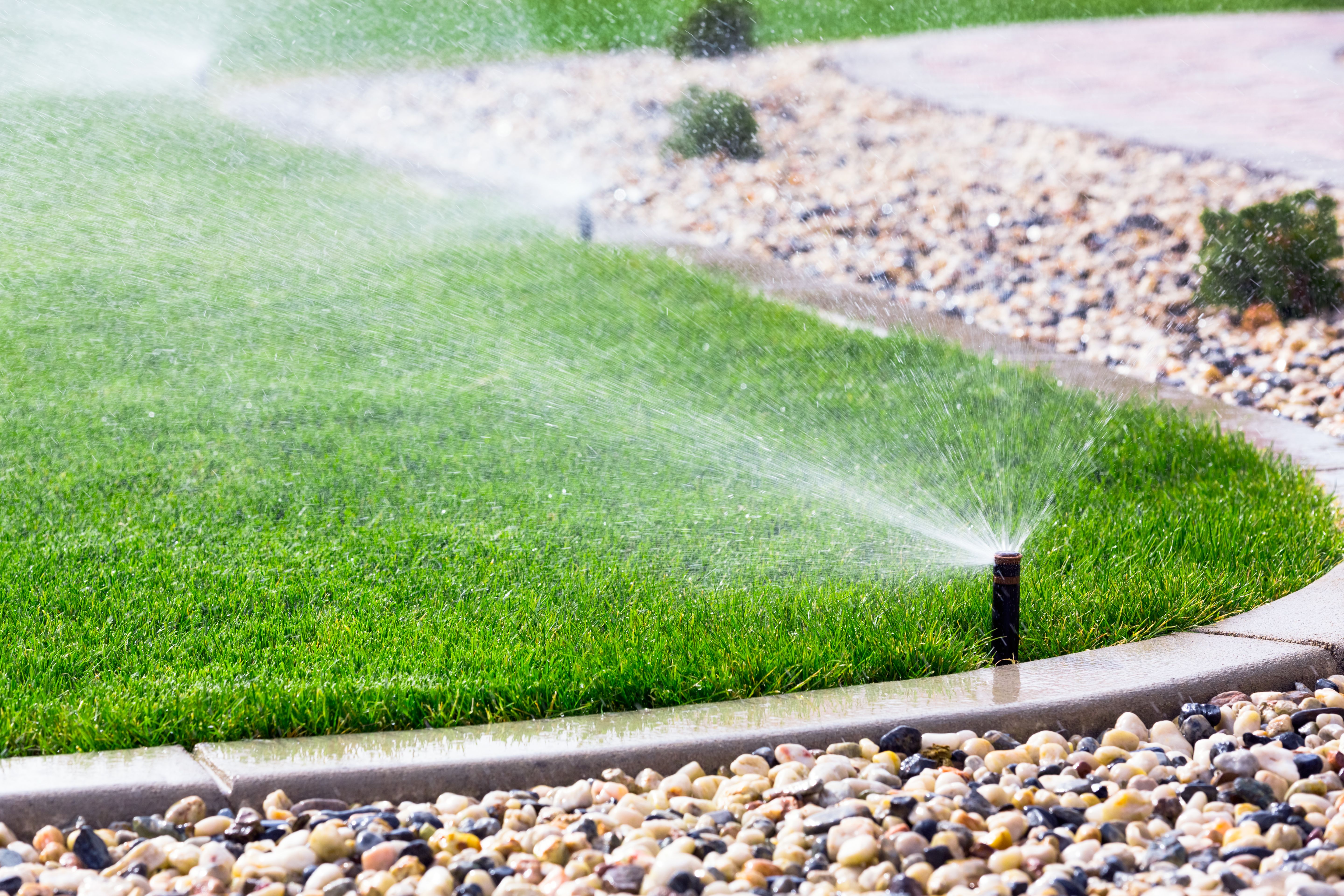
Another misconception is that watering in the evening is the best time. While it might seem logical to water when the sun is down, evening watering can promote fungal diseases due to prolonged moisture. The ideal time to water is early morning, allowing the grass to dry throughout the day.
Fertilizing Facts
Many homeowners believe that more fertilizer equals a healthier lawn, but over-fertilizing can harm your grass. Excessive nutrients can lead to rapid growth that's difficult to maintain and can even burn your lawn. A balanced fertilization schedule tailored to your grass type and climate is essential.
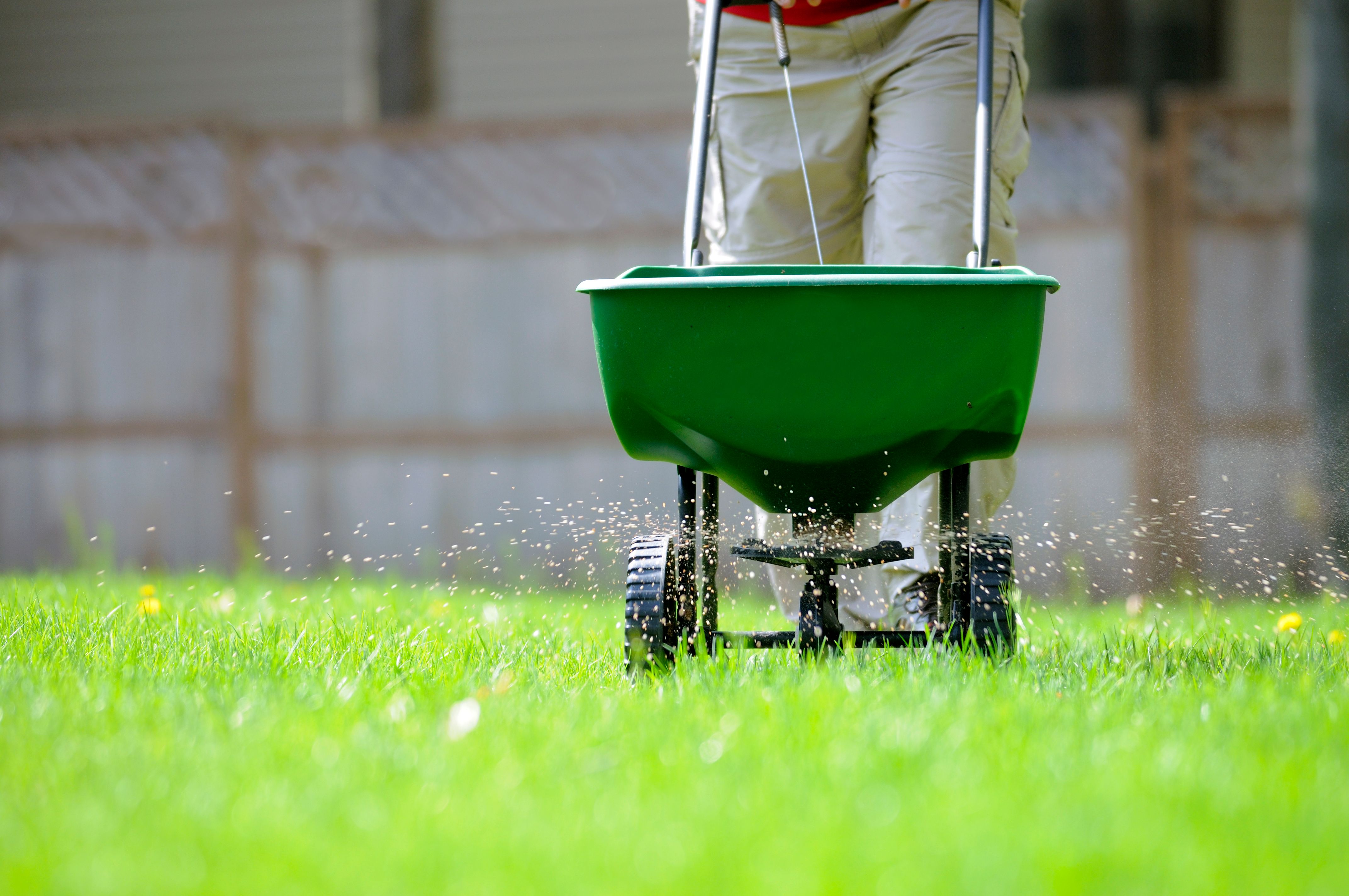
It's also a myth that spring is the only time to fertilize. While spring is important, lawns benefit from fertilization throughout the growing season. It's important to adjust the nutrient mix according to the season's specific needs.
Mowing Misunderstandings
A common myth is that cutting grass shorter means mowing less often. However, mowing too short can stress the grass, making it more susceptible to weeds, diseases, and pests. It's recommended to follow the "one-third rule," where no more than one-third of the grass blade is cut at a time.
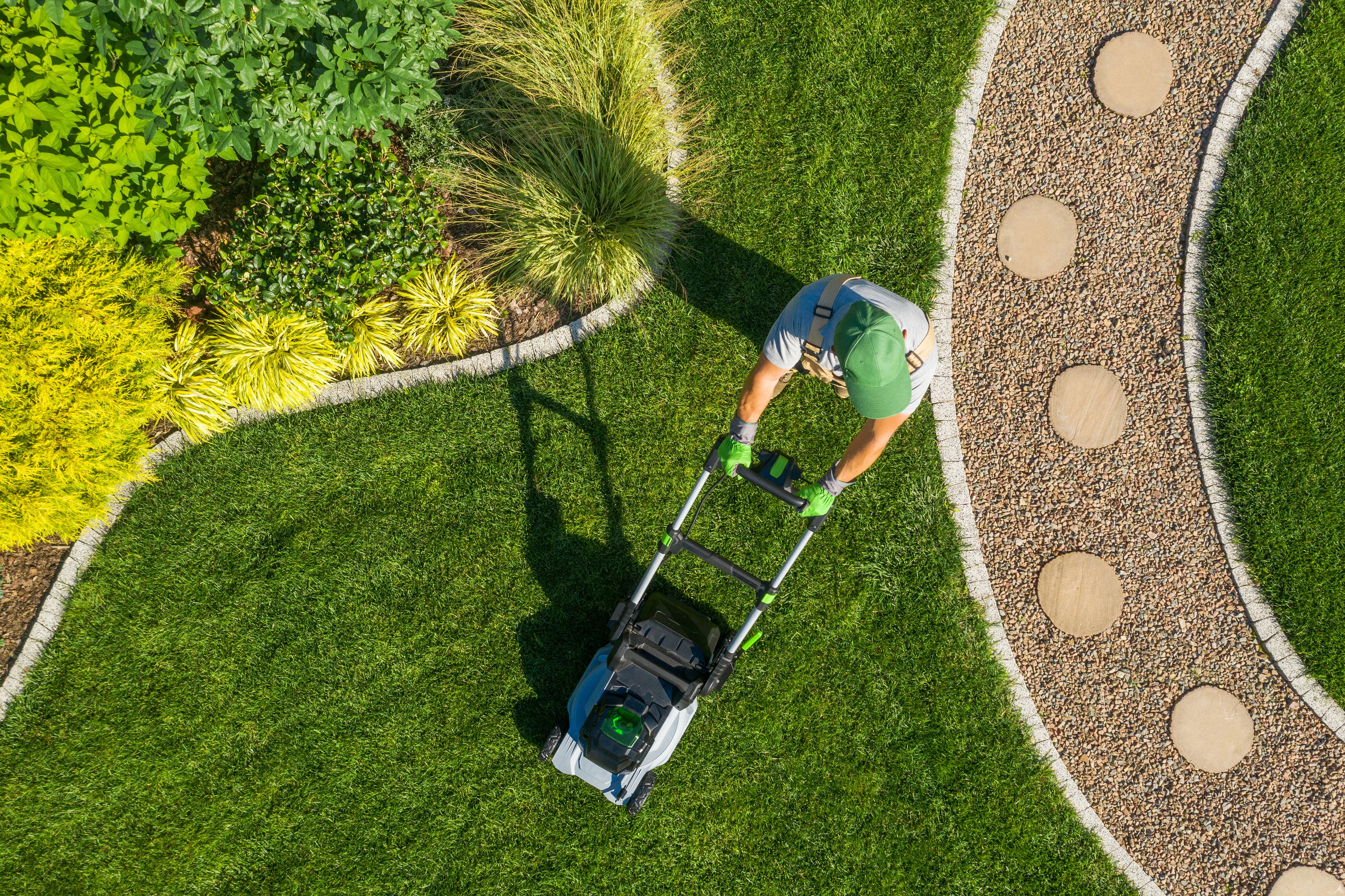
Another mowing myth is that clippings should always be bagged. Leaving clippings on the lawn can actually be beneficial as they decompose and return valuable nutrients to the soil. This practice, known as "grasscycling," can promote a healthier lawn.
Weed and Pest Control
Many believe that all weeds are terrible and must be eradicated immediately. However, not all weeds are harmful, and some can even be beneficial by attracting pollinators. Understanding which weeds pose a threat and which can coexist with your lawn is crucial.
When it comes to pest control, the myth that chemical pesticides are always necessary is widespread. Integrated Pest Management (IPM) strategies, which combine biological, cultural, and chemical tools, can effectively manage pests with minimal environmental impact.