
Common Lawn Care Myths Debunked: What Every Homeowner Should Know


Understanding Lawn Care Myths
Lawn care is a critical aspect of maintaining a beautiful home exterior, yet it is often surrounded by myths and misconceptions. Believing these myths can lead to ineffective practices, wasting time and resources. In this post, we'll address some common lawn care myths and provide the facts that every homeowner should know.

Myth 1: Watering Every Day is Essential
One of the most persistent myths is that lawns need daily watering. In reality, overwatering can be as damaging as underwatering. Most lawns require about one inch of water per week, including rainfall. Watering deeply but infrequently encourages deeper root growth, making your lawn more resilient to drought.
Myth 2: Shorter Grass is Healthier
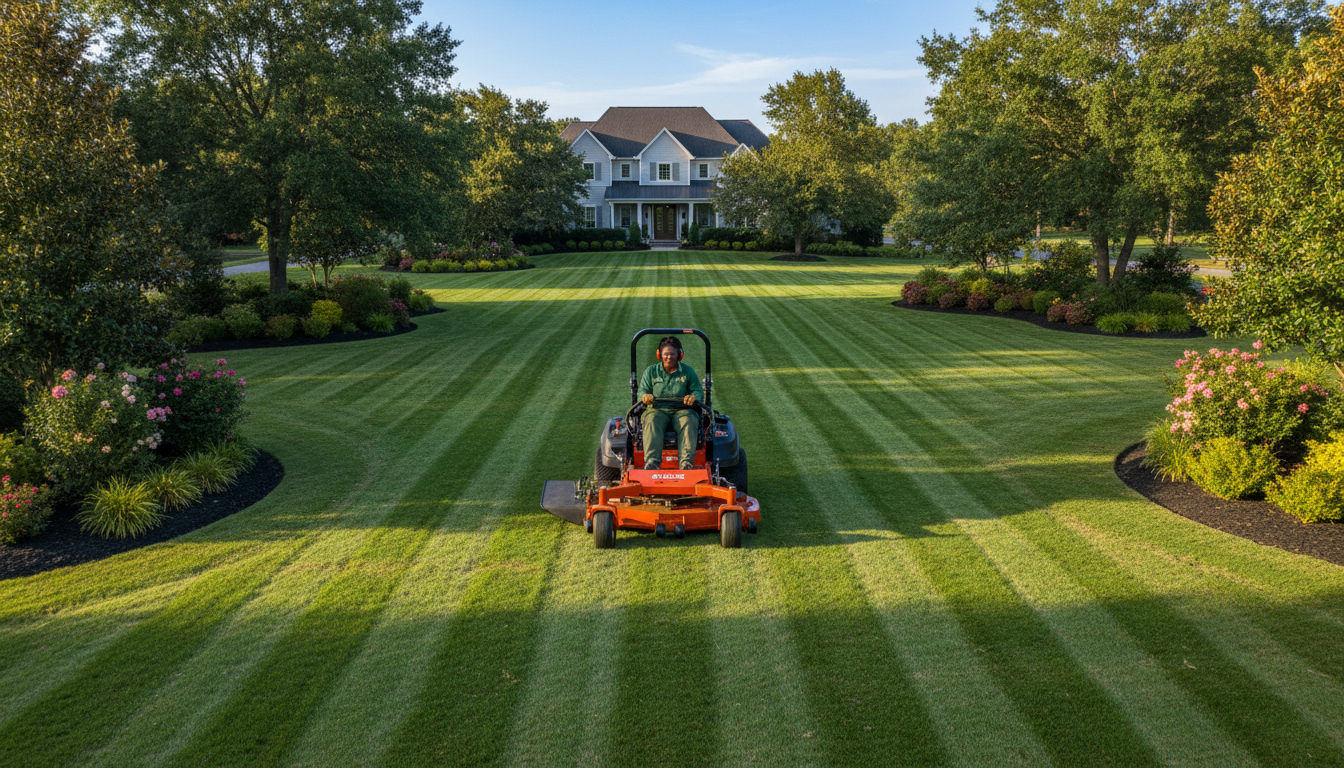
Many homeowners believe that mowing the grass very short will reduce the frequency of mowing. However, cutting the grass too short can stress the lawn and make it more susceptible to weeds and disease. Aim to keep your grass at about 3 inches in height for optimal health.
Myth 3: Fertilizer is a Quick Fix
While fertilizer can promote growth, it is not a cure-all solution. Over-fertilizing can lead to nutrient runoff and pollution, harming the environment. It is crucial to understand your lawn's specific needs and use fertilizers judiciously.
Debunking Popular Lawn Care Misconceptions
Lawn care isn’t just about aesthetics; it’s about creating a sustainable environment. Let’s tackle some more misconceptions that can lead to poor lawn health.
Myth 4: All Weeds are Bad
It's a common belief that every weed must be eradicated. However, not all weeds are harmful. Some can even benefit the lawn by improving soil health. Identify the weeds on your lawn to decide if they truly need removal.
Myth 5: Aeration Should Only Be Done in Spring
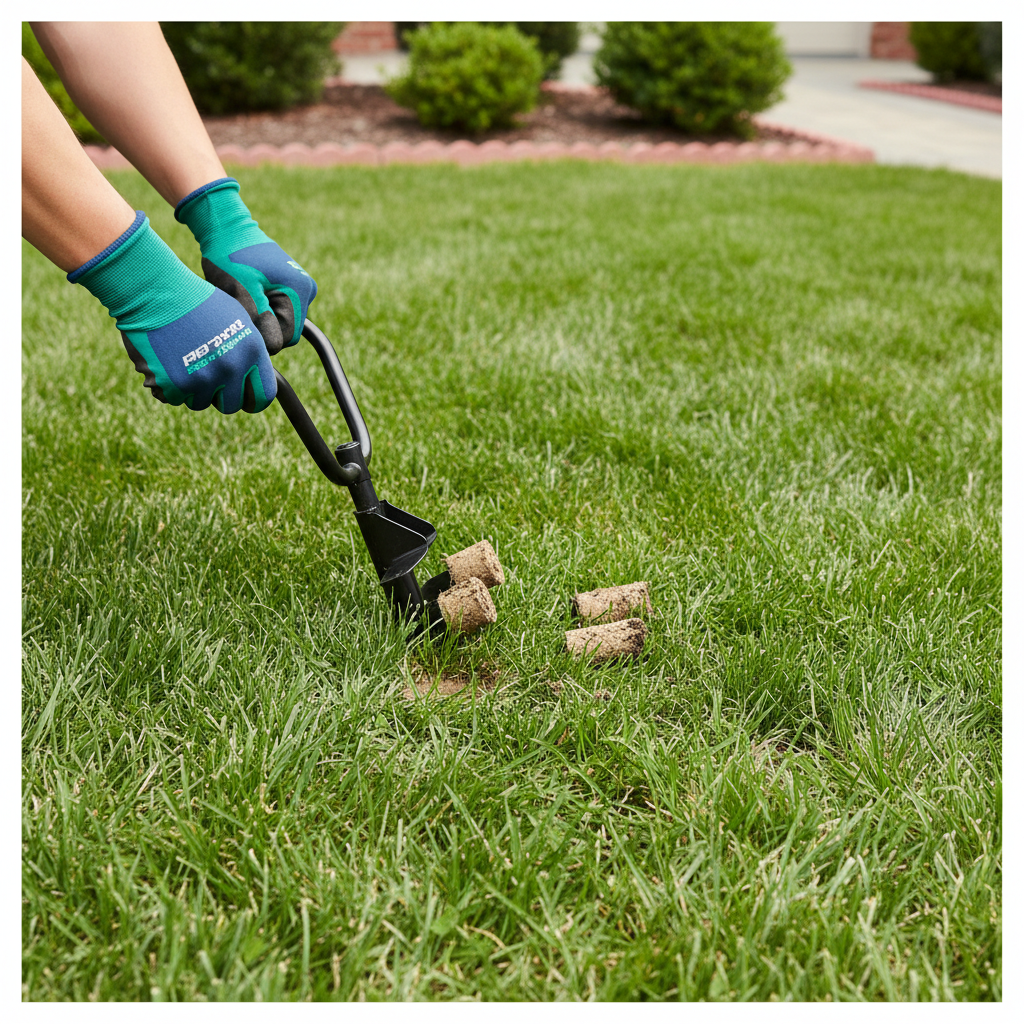
Although many people aerate their lawns in spring, fall can be an equally good time for aeration. Fall aeration helps relieve soil compaction and enhances root development before winter. Consider aerating twice a year for best results.
Myth 6: Leaving Clippings is Harmful
Some homeowners worry that leaving grass clippings on the lawn will lead to thatch buildup. In fact, clippings decompose quickly and can return valuable nutrients to the soil, acting as a natural fertilizer.
Conclusion
By understanding and debunking these common lawn care myths, homeowners can better nurture their lawns into lush, healthy landscapes. Consider these truths when planning your lawn care routine, and enjoy a greener, more sustainable yard.