
Common Lawn Care Mistakes and How to Avoid Them


Overwatering Your Lawn
One of the most common mistakes in lawn care is overwatering. While it might seem like more water equals a healthier lawn, this isn't always the case. Overwatering can lead to shallow root growth, making your grass more susceptible to disease and drought. To avoid this, water deeply but infrequently, allowing the soil to dry out between watering sessions.
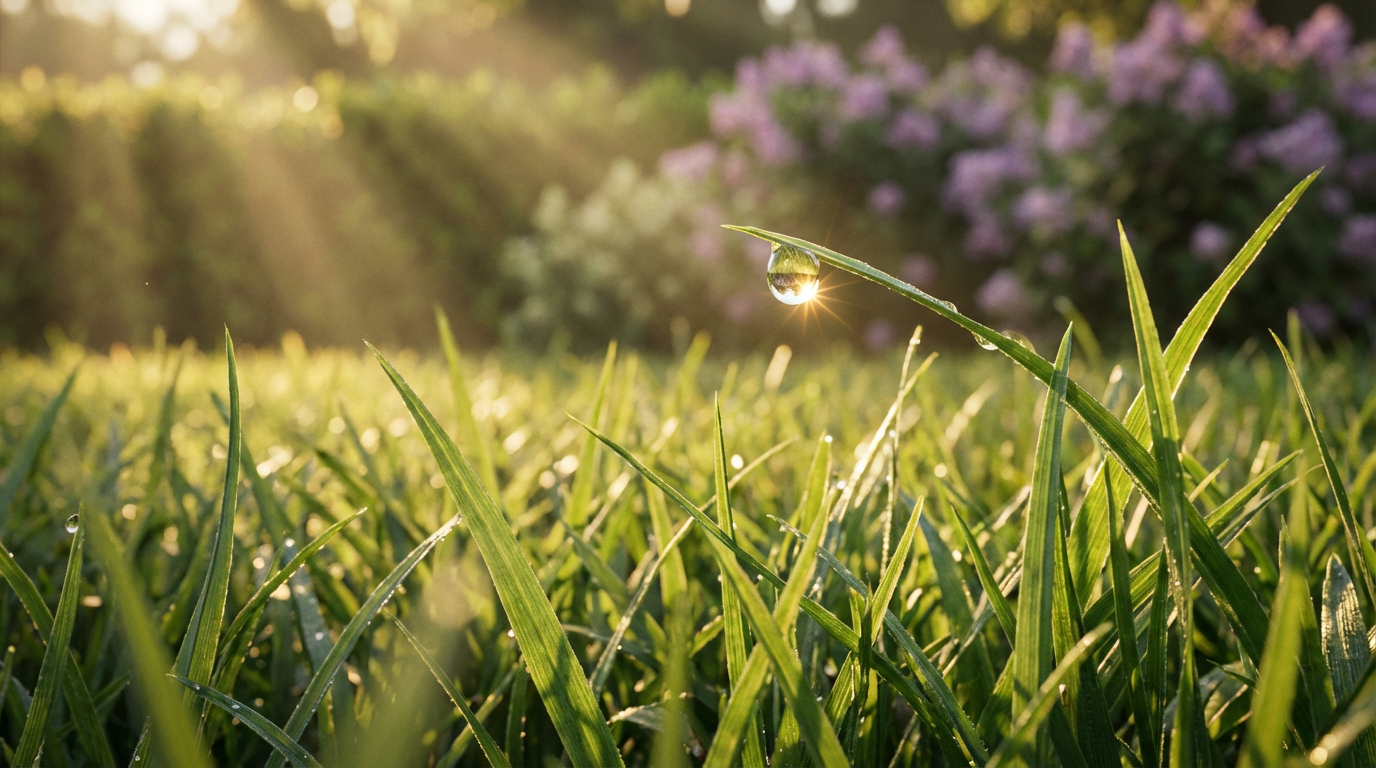
Consider investing in a rain gauge to measure how much water your lawn receives. Generally, lawns need about 1 to 1.5 inches of water per week, including rainfall. Adjust your watering schedule based on the weather and the specific needs of your grass type.
Mowing Mistakes
Mowing your lawn incorrectly can cause significant damage. Cutting the grass too short, also known as "scalping," can stress the lawn and make it vulnerable to pests and weeds. It's essential to mow with sharp blades and follow the one-third rule: never cut more than one-third of the grass height at a time.
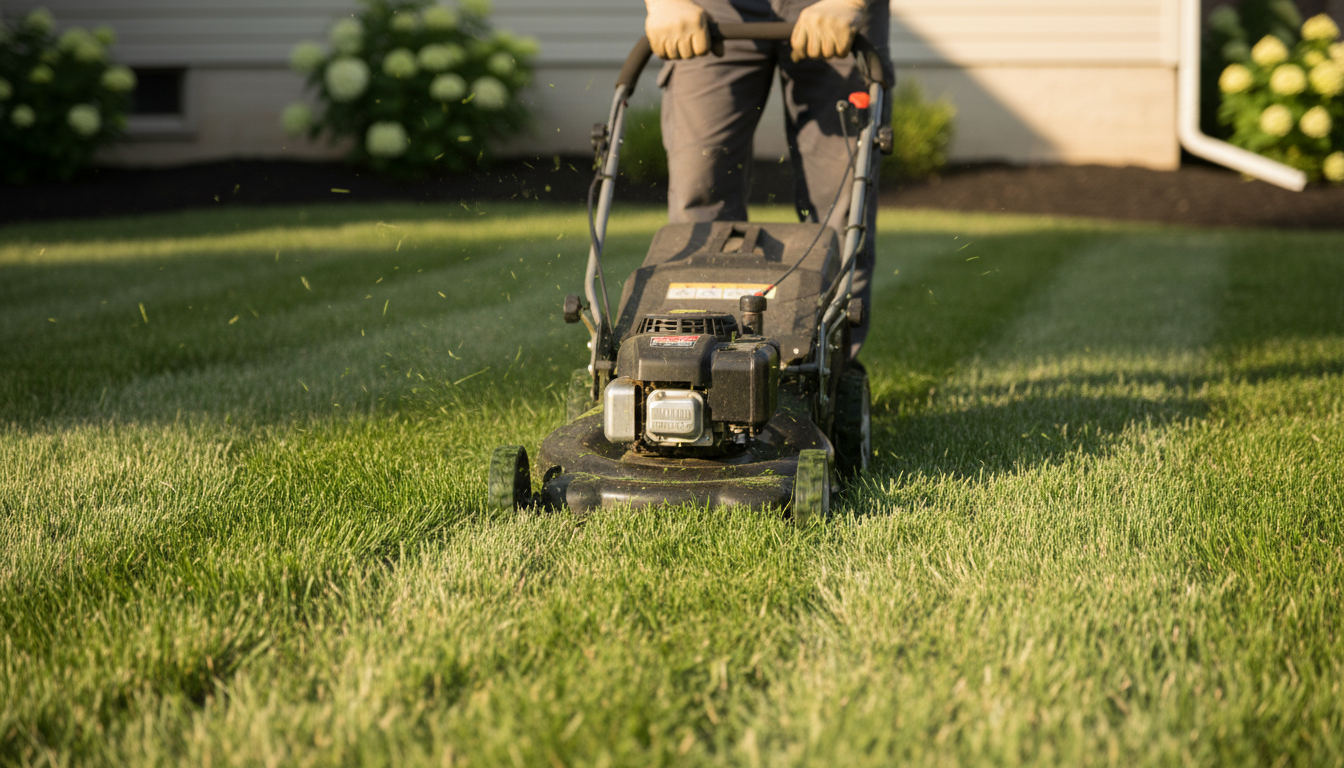
Additionally, vary your mowing pattern each time you mow. This prevents soil compaction and promotes healthier grass growth. Remember to leave grass clippings on the lawn to act as a natural fertilizer, returning nutrients back to the soil.
Ignoring Soil Health
Soil health is the foundation of a thriving lawn. Ignoring it can lead to poor grass growth and increased susceptibility to pests and diseases. Start by testing your soil to determine its pH and nutrient levels. This will help you understand what your soil needs to support healthy grass.

Based on the results, amend your soil with the necessary nutrients. Use organic matter, like compost, to improve soil structure and fertility. Regularly aerate your lawn to allow air, water, and nutrients to reach the roots more effectively.
Overlooking Lawn Pest Control
Pests can quickly ruin a beautiful lawn if left unchecked. Many homeowners overlook the importance of regular pest monitoring and control. To prevent infestations, keep your lawn healthy and properly maintained. A healthy lawn is more resilient to pests.
If you notice signs of pest damage, like brown patches or chewed grass blades, identify the culprit and use appropriate control measures. Integrated Pest Management (IPM) strategies can help you manage pests sustainably, reducing reliance on chemical treatments.
Neglecting Seasonal Care
Each season presents unique challenges and opportunities for lawn care. Neglecting seasonal tasks can hinder your lawn's growth and health. In the spring, focus on dethatching and fertilizing to give your lawn a strong start. Summer requires more frequent monitoring for drought stress and pests.

As fall approaches, aerate and overseed your lawn to repair summer damage and prepare for winter. Winter involves keeping the lawn clear of debris and minimizing foot traffic to prevent soil compaction.
Using the Wrong Fertilizer
Applying the wrong type or amount of fertilizer can harm your lawn. Choose a fertilizer that matches your grass type and soil needs, and follow the application instructions carefully. Over-fertilizing can lead to nutrient runoff and environmental damage.
Avoid fertilizing before heavy rainfall to prevent nutrients from washing away. Consider using slow-release fertilizers for a more consistent nutrient supply, promoting even growth throughout the season.