
Common Lawn Care Mistakes and How to Avoid Them


Overwatering
One of the most common mistakes in lawn care is overwatering. While it's essential to keep your lawn hydrated, too much water can lead to root rot and fungal diseases. It's crucial to water your lawn deeply but infrequently. Aim for about 1 inch of water per week, including rainfall.
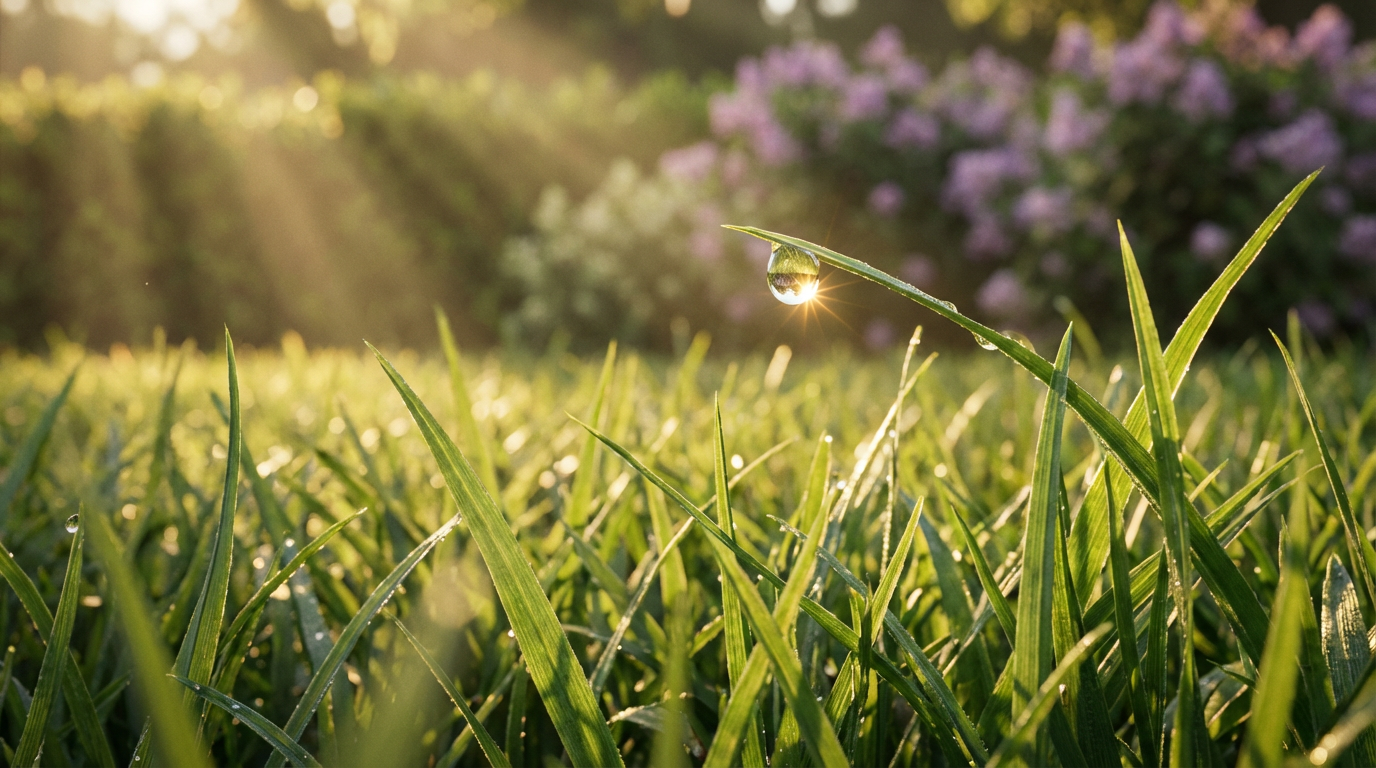
To avoid overwatering, invest in a rain gauge to track natural precipitation and adjust your watering schedule accordingly. Also, consider watering in the early morning to reduce evaporation and allow the grass to dry during the day, preventing disease.
Improper Mowing
Another frequent mistake is mowing the grass too short. Cutting your lawn too low can stress the grass, making it more susceptible to weeds and pests. The general rule is to never remove more than one-third of the grass blade height in a single mowing session.
Keep your mower blades sharp to ensure a clean cut, which helps the grass recover quickly and maintain its health. A dull blade tears the grass, leading to a ragged appearance and increased vulnerability to disease.

Ignoring Soil Health
Healthy soil is the foundation of a thriving lawn, yet many homeowners overlook it. Poor soil can inhibit grass growth and make your lawn more prone to problems. Conduct a soil test to determine its pH and nutrient levels.
Based on the results, you may need to amend your soil with lime to adjust pH or add fertilizers to provide essential nutrients. Regularly aerating your lawn can also improve soil health by allowing air, water, and nutrients to reach the roots more effectively.

Overlooking Pest and Weed Control
Pests and weeds can quickly take over if not managed properly. It's essential to identify the specific pests and weeds affecting your lawn to choose the right control methods. Integrated pest management (IPM) strategies can be very effective.
Implementing a combination of cultural, mechanical, and chemical controls can help maintain a healthy lawn while minimizing the environmental impact. Regularly inspect your lawn for signs of trouble and act promptly to prevent widespread issues.
Skipping Seasonal Maintenance
Each season requires different lawn care approaches, and neglecting these can lead to long-term problems. In spring, focus on dethatching and fertilizing. Summer requires consistent watering and mowing, while fall is the time for aeration and overseeding.

Winter preparation is also crucial. Keep your lawn clear of debris and heavy foot traffic to prevent damage. Understanding the seasonal needs of your lawn will help you maintain its health year-round.
Conclusion
Avoiding common lawn care mistakes can lead to a lush, vibrant lawn that enhances the beauty of your home. By understanding these pitfalls and taking proactive steps, you can enjoy a healthy lawn with less effort and expense. Remember, consistency and attention to detail are key to successful lawn care.