
Common Lawn Care Mistakes and How to Avoid Them


Overwatering Your Lawn
One of the most common mistakes in lawn care is overwatering. While it may seem like more water would lead to a greener lawn, too much water can drown the roots and promote fungal diseases. It's vital to understand your lawn's specific needs based on the grass type and climate.
To avoid overwatering, water your lawn deeply but infrequently. This helps the roots grow deeper and stronger. A general rule of thumb is to provide about one inch of water per week, including rainfall. Investing in a rain gauge can help you monitor this effectively.

Mowing Incorrectly
Mowing your lawn might seem straightforward, but doing it incorrectly can damage the grass. Cutting the grass too short, known as scalping, weakens the grass and makes it susceptible to weeds. Additionally, dull mower blades can tear the grass instead of cutting it cleanly, leaving it vulnerable to disease.
To mow correctly, never cut more than one-third of the grass height at a time. Keep your mower blades sharp and adjust the cutting height based on the season and grass type. This ensures a healthy and lush lawn throughout the year.

Ignoring Soil Health
Healthy grass starts with healthy soil. Many homeowners overlook the importance of soil health, leading to poor lawn conditions. Compacted soil can restrict root growth, while nutrient-deficient soil can stunt grass development.
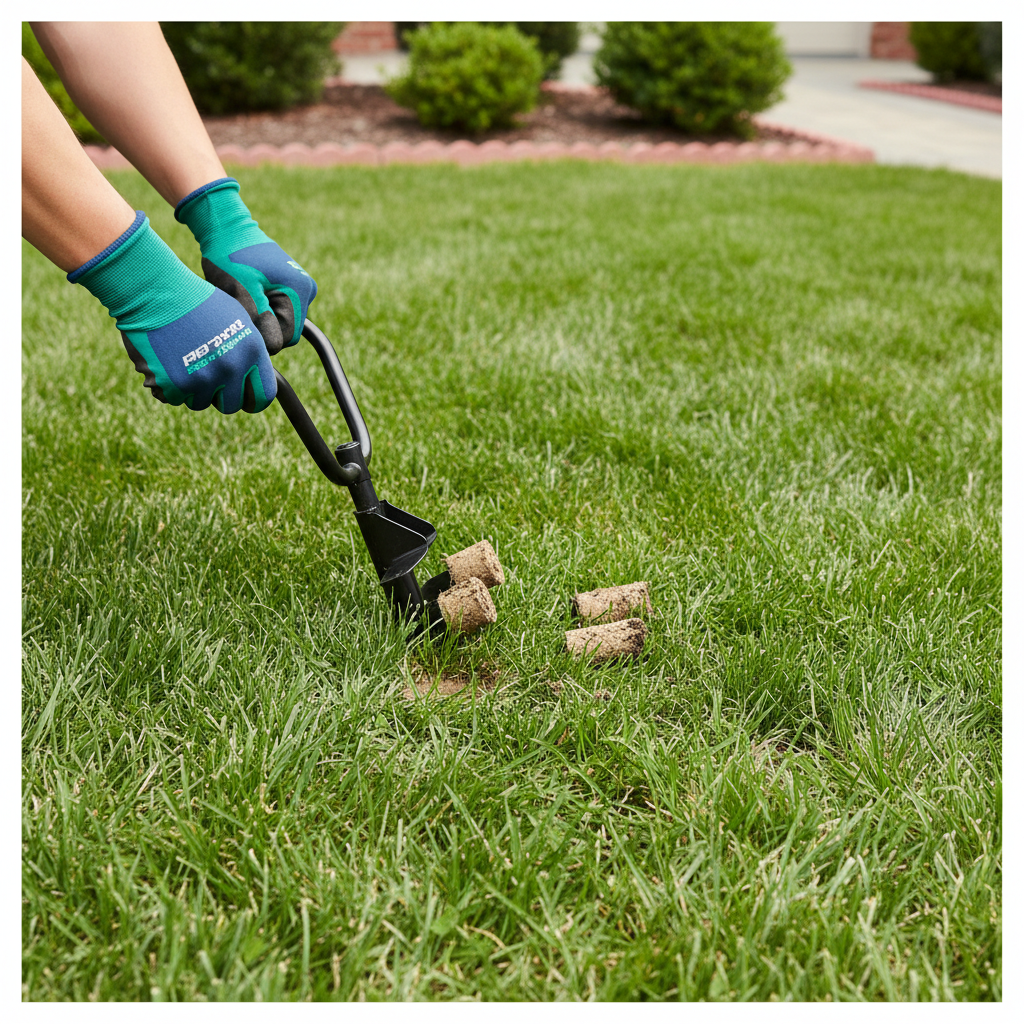
To improve soil health, consider aerating your lawn once a year to reduce compaction. Regularly test your soil to check for nutrient deficiencies, and amend it accordingly with fertilizers or organic matter.
Neglecting Pest and Weed Control
Pests and weeds can quickly overtake a lawn if not managed properly. Ignoring these issues allows them to spread, causing further damage to the grass and soil. Early detection and treatment are key.
Implement a regular inspection routine to spot problems early. Use integrated pest management techniques that combine natural and chemical solutions. For weeds, consider pre-emergent herbicides to prevent them from sprouting in the first place.
Using the Wrong Fertilizer
Fertilizing is essential for a healthy lawn, but using the wrong type or amount can cause more harm than good. Over-fertilization can burn the grass, while under-fertilization can lead to poor growth.
Research the specific needs of your grass type and choose a fertilizer that matches those requirements. Follow the instructions carefully and avoid fertilizing during the hottest part of the day to prevent burning.
Conclusion
Maintaining a beautiful lawn requires attention to detail and understanding common mistakes. By avoiding overwatering, mowing correctly, focusing on soil health, managing pests and weeds, and selecting the right fertilizer, you can achieve a lush and healthy lawn. Regular monitoring and adjustments based on seasonal changes will keep your lawn in top condition.