
Common Gardening Myths Debunked by Professionals


Understanding Gardening Myths
Gardening is a beloved hobby for many, but it’s often surrounded by a variety of myths that can mislead even the most dedicated green thumbs. Today, we’re diving into some common gardening misconceptions and setting the record straight with insights from professionals.
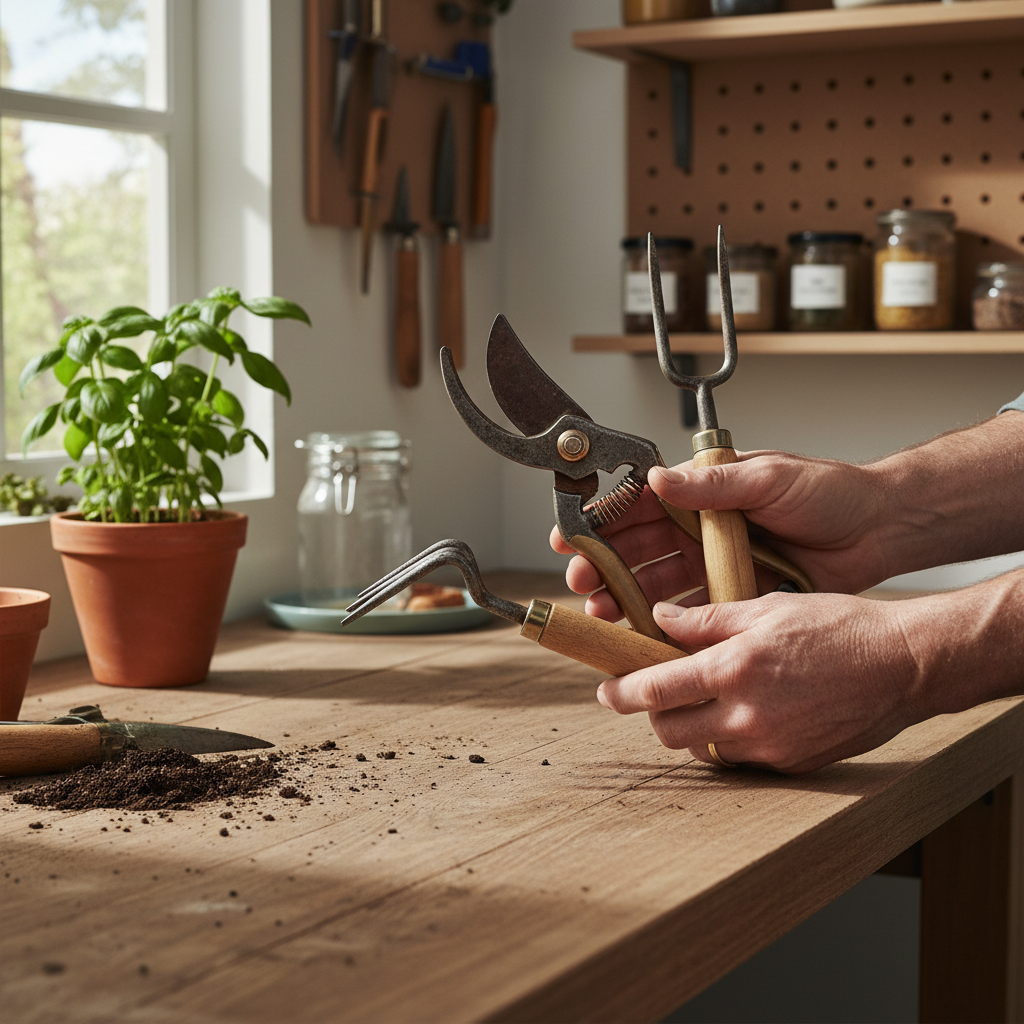
Myth 1: Watering Plants in the Sun Scorches Them
A prevalent myth is that watering plants during sunny days causes water droplets to magnify the sun's rays and burn the leaves. Experts clarify that this is not the case. While it's generally more efficient to water in the early morning or late afternoon to reduce evaporation, watering in the sun won’t harm your plants.
In fact, ensuring that plants have adequate moisture is more important than worrying about potential leaf scorch. If your plants are thirsty, don’t hesitate to give them a drink, regardless of the time of day.
The Truth About Fertilizers
Fertilizers are often misunderstood in gardening. Some believe that more fertilizer equals bigger, healthier plants. However, this is not always true, and over-fertilizing can harm your garden.
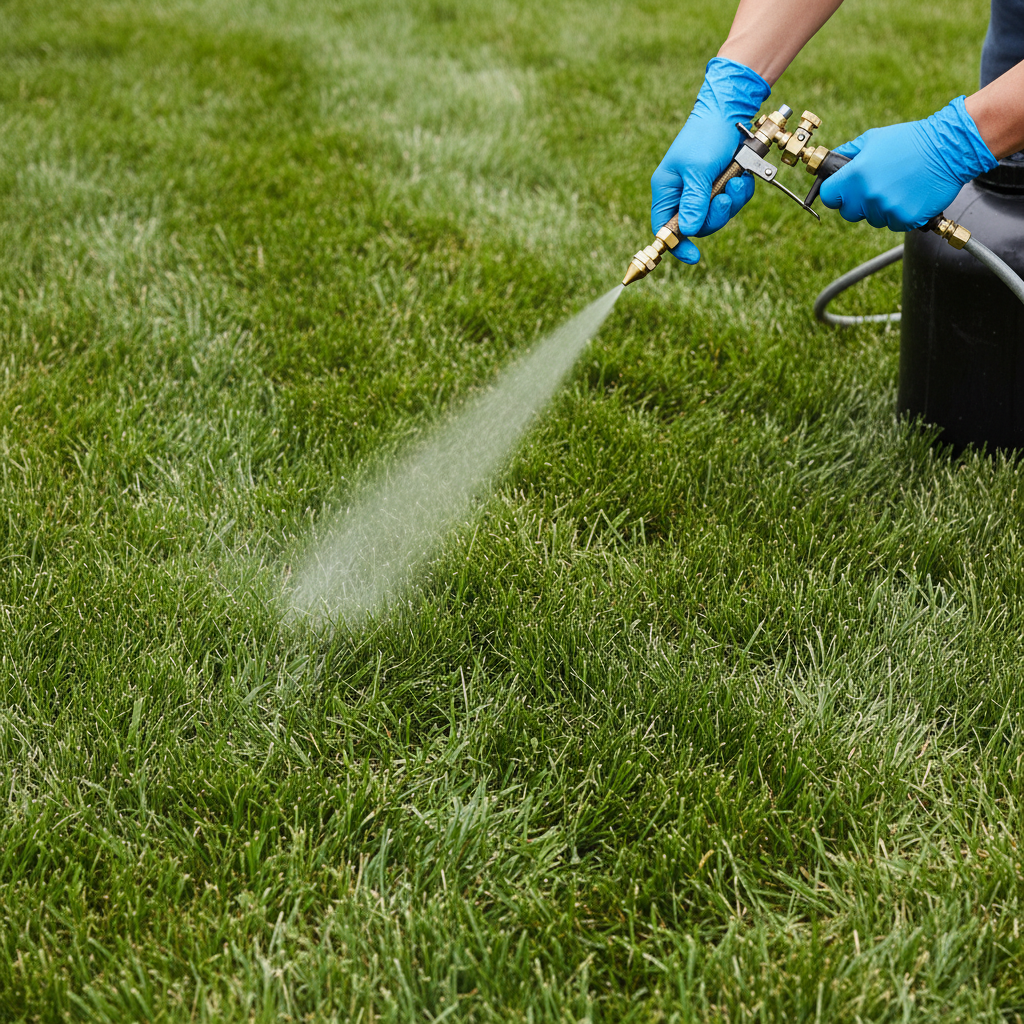
Myth 2: More Fertilizer Means Better Growth
Using excessive amounts of fertilizer can lead to nutrient burn, damaging plant roots and foliage. Professionals recommend following the instructions on fertilizer packages carefully. Plants need a balanced diet, not just an overload of nutrients.
It’s essential to understand the specific needs of your plants. Conducting a soil test can help determine what nutrients your garden actually requires.
Planting Techniques
Gardening techniques can vary widely, and some practices are steeped in tradition rather than science. Let’s explore the truth behind some common planting myths.
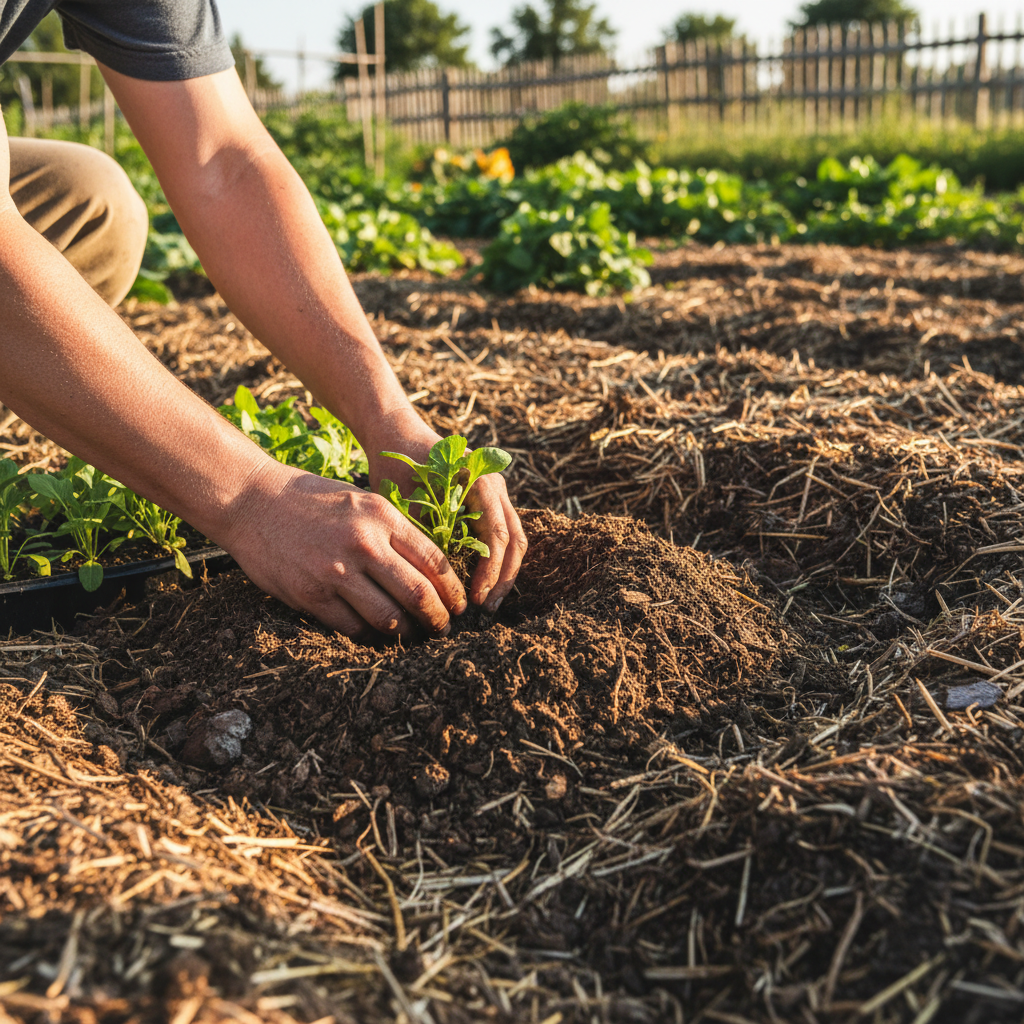
Myth 3: Only Native Plants Are Low Maintenance
While native plants are often easier to care for in their natural environment, many non-native species can also thrive with the right conditions. The key is to choose plants that are well-suited to your climate and soil type.
Research and experiment to find the best combination of plants for your garden. Sometimes, a well-adapted non-native plant can offer beauty and resilience that native plants might not.
Conclusion: Cultivating Knowledge
Debunking these myths helps gardeners make more informed decisions, leading to healthier gardens and more enjoyment from the hobby. By understanding the science behind gardening practices, you can cultivate a beautiful and thriving outdoor space.
Always be open to learning and adapting as you gain more experience. Gardening is as much about growth for the gardener as it is for the plants.