Case Study: Transforming Gardens in Andrews Farm


Introduction to the Transformation
Transforming gardens has become an art form in Andrews Farm, where homeowners are increasingly seeking to create beautiful, functional outdoor spaces. This case study explores how a local landscaping company turned a neglected backyard into a lush, inviting retreat.
The project began with a vision to enhance the overall aesthetic appeal and functionality of the garden. By leveraging innovative design elements, the team was able to craft a space that resonated with the homeowners' desires.

Understanding the Client's Needs
Before the transformation could begin, it was crucial to understand the clients' needs and preferences. The homeowners wanted a space that was both aesthetically pleasing and practical for hosting guests.
Key requirements included:
- A versatile dining area
- A peaceful relaxation zone
- Low-maintenance plantings
These requirements guided the design process, ensuring a tailored approach to the transformation.
The Design Process
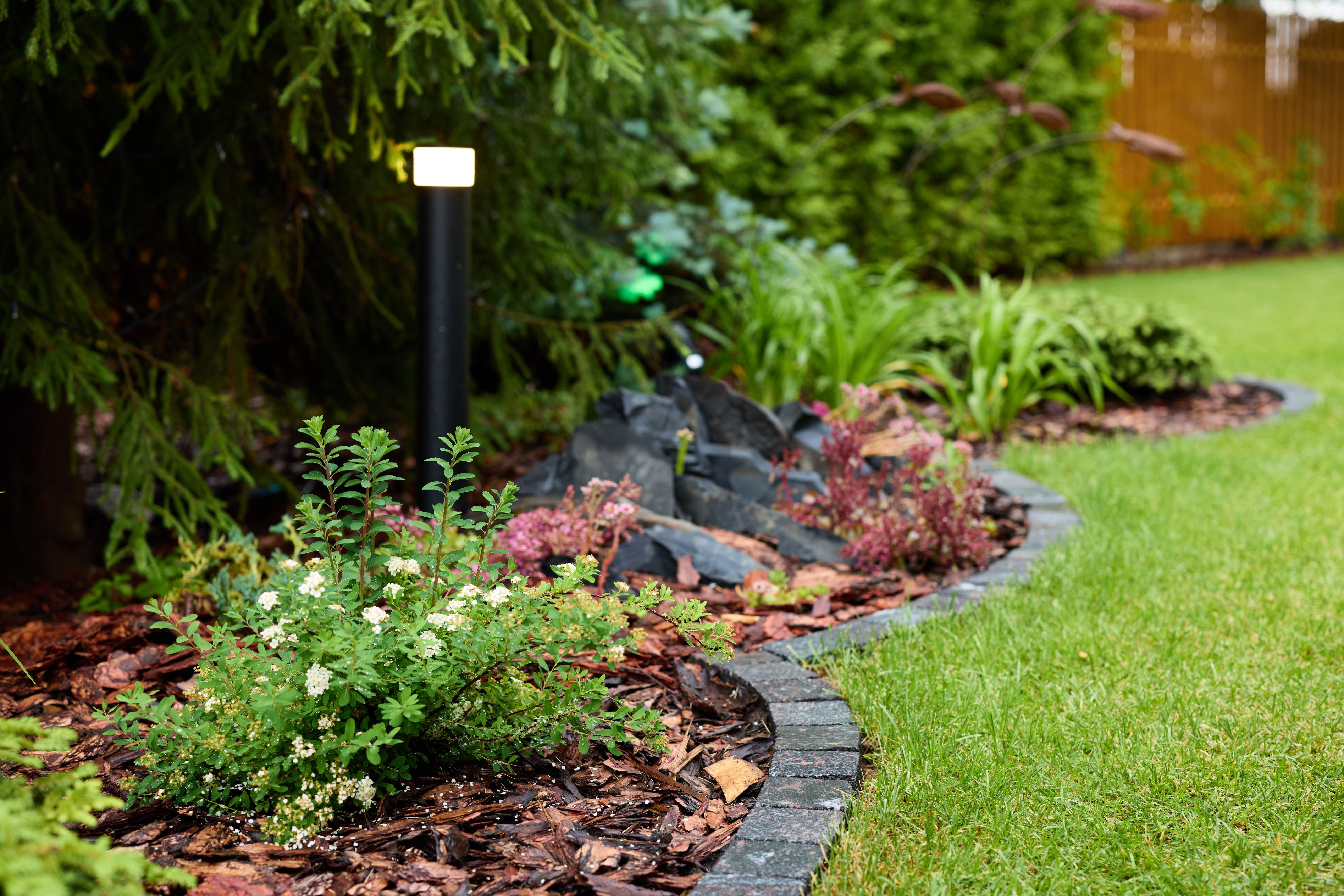
With the client's needs in mind, the design team crafted a detailed plan that incorporated various elements such as pathways, seating areas, and a water feature. The use of native plants was prioritized to create a sustainable and eco-friendly garden.

The team also focused on integrating lighting solutions to enhance the garden's ambiance during evening gatherings. By selecting energy-efficient LED lights, they ensured sustainability without compromising on style.
Execution and Challenges
Executing the transformation required meticulous planning and attention to detail. The team faced challenges such as uneven terrain and poor soil quality, which were addressed through strategic landscaping techniques.
To overcome these obstacles, the team implemented solutions like:
- Soil enhancement with organic compost
- Leveling the ground for uniformity
- Installing a drainage system to prevent waterlogging

Final Reveal and Client Satisfaction
Upon completion, the garden was unveiled to the homeowners, who were thrilled with the transformation. The new garden not only met but exceeded their expectations, offering a serene escape from the hustle and bustle of daily life.
The integration of various elements created a harmonious balance between beauty and functionality, making the garden a true reflection of the clients' vision.
Conclusion and Takeaways
This case study highlights the importance of understanding client needs, innovative design, and effective execution in transforming gardens. The Andrews Farm project serves as a testament to what can be achieved with careful planning and creativity.
For homeowners looking to revamp their outdoor spaces, this transformation offers inspiration and practical insights into creating stunning gardens that blend seamlessly with their surroundings.