
Case Study: Transforming an Andrews Farm Garden into a Lush Oasis


Introduction to the Transformation
In the heart of Andrews Farm, a once barren patch of land has been transformed into a lush oasis that stands as a testament to the power of thoughtful design and sustainable practices. This case study explores the journey of turning an ordinary garden into an extraordinary retreat, offering inspiration and insights for gardening enthusiasts and professionals alike.
Understanding the Challenges
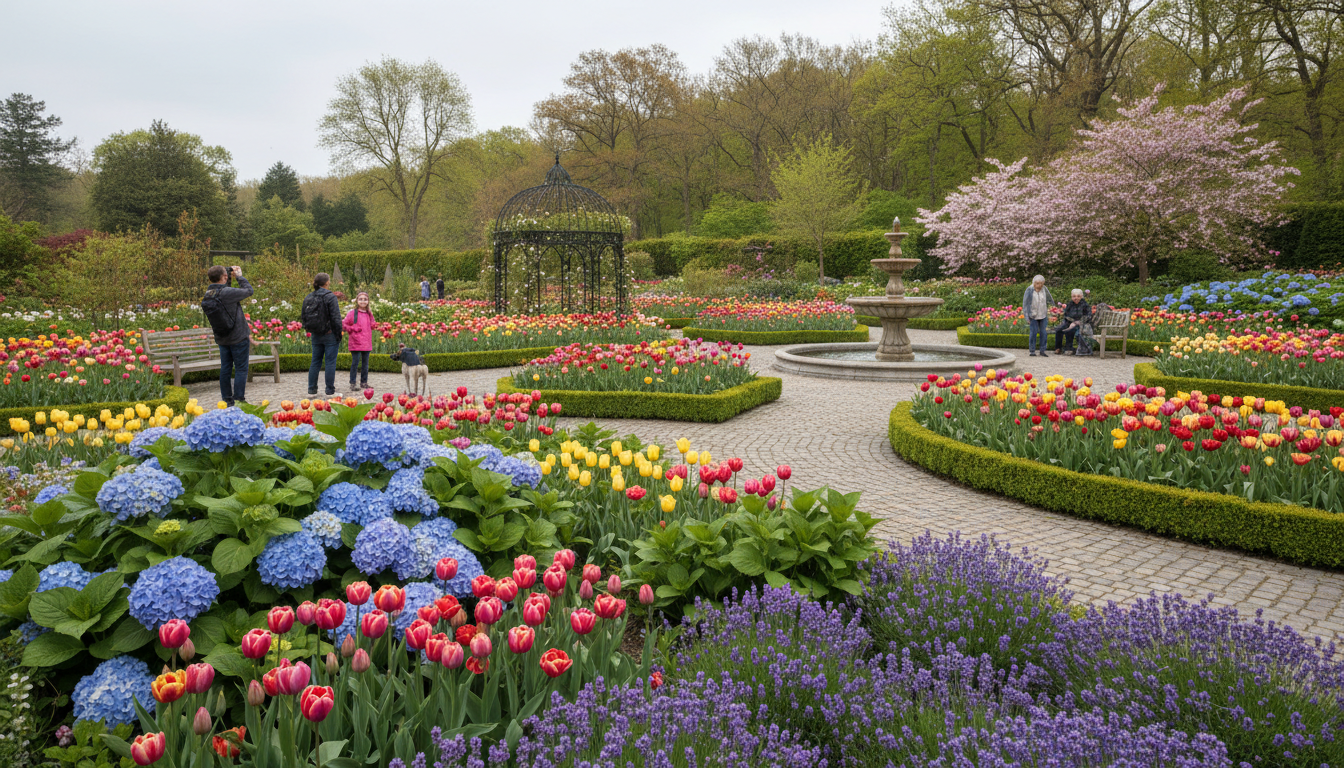
The initial condition of the garden posed several challenges. The soil quality was poor, the landscape was flat and uninspiring, and the space lacked any significant plant life or structure. Additionally, the harsh climate of the region required a resilient design that could withstand extreme weather conditions.
Addressing these issues required a comprehensive approach. The team began by analyzing the soil composition and drainage patterns. This foundational work was essential to ensure that any new plants would thrive in their new environment.
Designing a Sustainable Landscape
A key aspect of the transformation was creating a design that was not only beautiful but also sustainable. The team employed several strategies to achieve this, including:
- Choosing native plants that are well-suited to the local climate.
- Incorporating water-efficient irrigation systems.
- Utilizing organic fertilizers and natural pest control methods.
Implementing the Vision
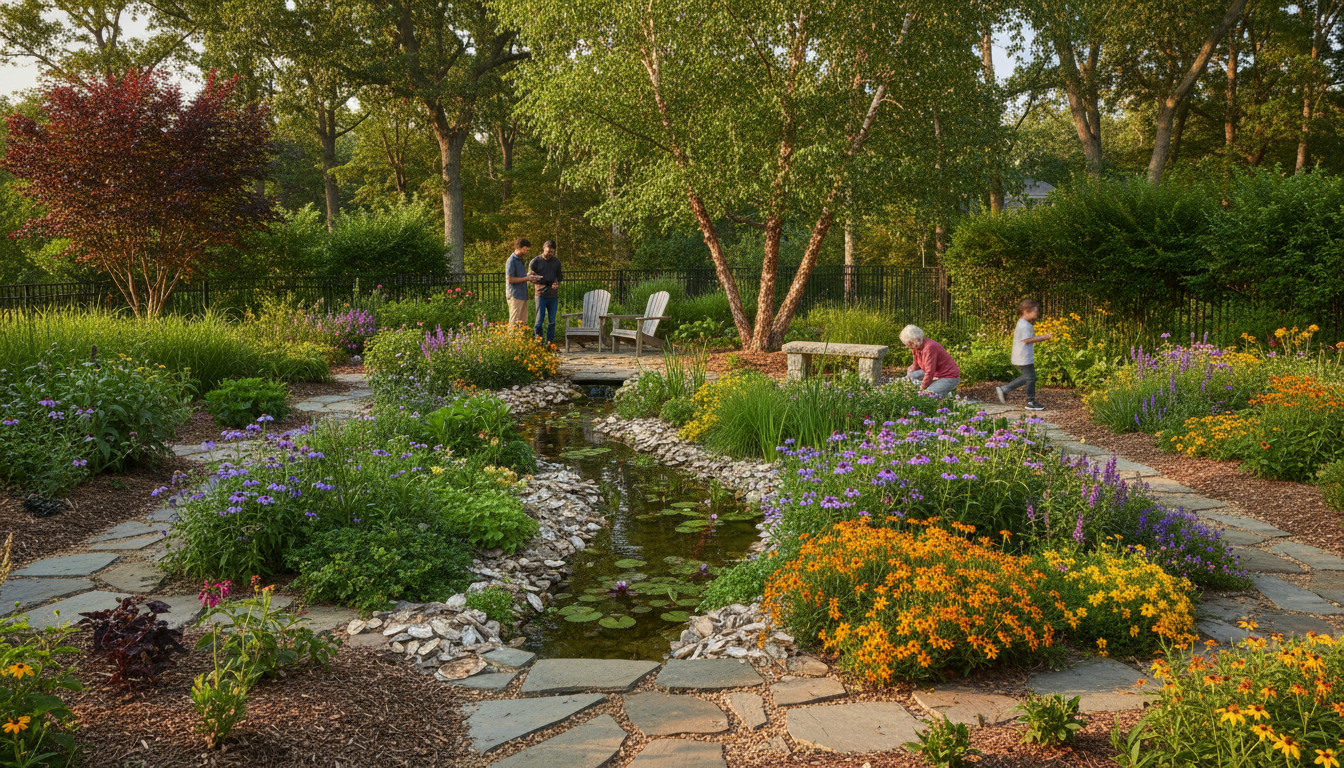
With a clear plan in place, the physical transformation began. The team worked tirelessly to amend the soil, install pathways, and plant a diverse array of flora. The garden's new design featured distinct zones, each offering a unique experience, from tranquil seating areas to vibrant flowerbeds.
Hardscaping elements such as stone pathways and a small water feature added structure and visual interest, guiding visitors through the garden and creating a sense of harmony.
Maintaining the Oasis
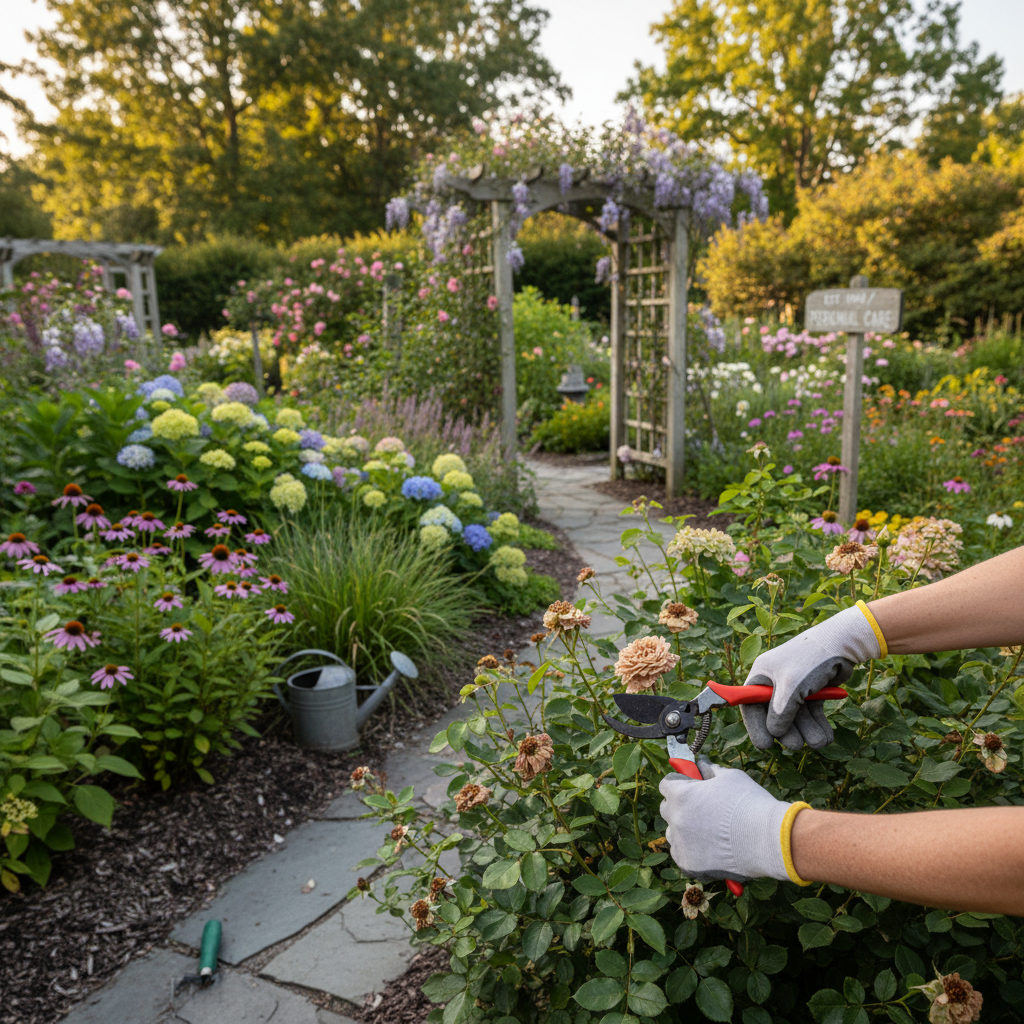
Once the transformation was complete, maintaining the garden's beauty became a top priority. Regular care routines were established to ensure the health and vitality of the plants. This included:
- Weekly inspections for pests and diseases.
- Seasonal pruning and fertilizing.
- Consistent watering schedules, adjusted for weather conditions.
Impact and Community Engagement
The transformed garden quickly became a focal point for the local community. Neighbors were drawn to its beauty and serenity, and it inspired many to pursue their own gardening projects. Workshops and guided tours were organized to educate others about sustainable gardening practices.
This project not only revitalized a neglected space but also fostered a sense of community pride and collaboration. It demonstrated the profound impact that thoughtful design can have on both the environment and the people who interact with it.
Conclusion: A Model for Future Projects
The Andrews Farm garden transformation serves as a model for future projects aiming to combine aesthetics with sustainability. By focusing on native plants, efficient water use, and community involvement, this garden has set a benchmark for what can be achieved through dedication and innovative thinking.
As more individuals and communities look to create their own green spaces, the lessons learned from this case study will continue to inspire and guide them on their journey to building their own lush oases.