
Case Study: Transforming a Neglected Garden in Andrews Farm


Introduction
Transforming a neglected garden into a vibrant outdoor space can be a rewarding yet challenging endeavor. In Andrews Farm, we embarked on a project to rejuvenate a garden that had seen better days. This case study explores the steps we took to bring the garden back to life, turning it into a beautiful and functional space.
Initial Assessment
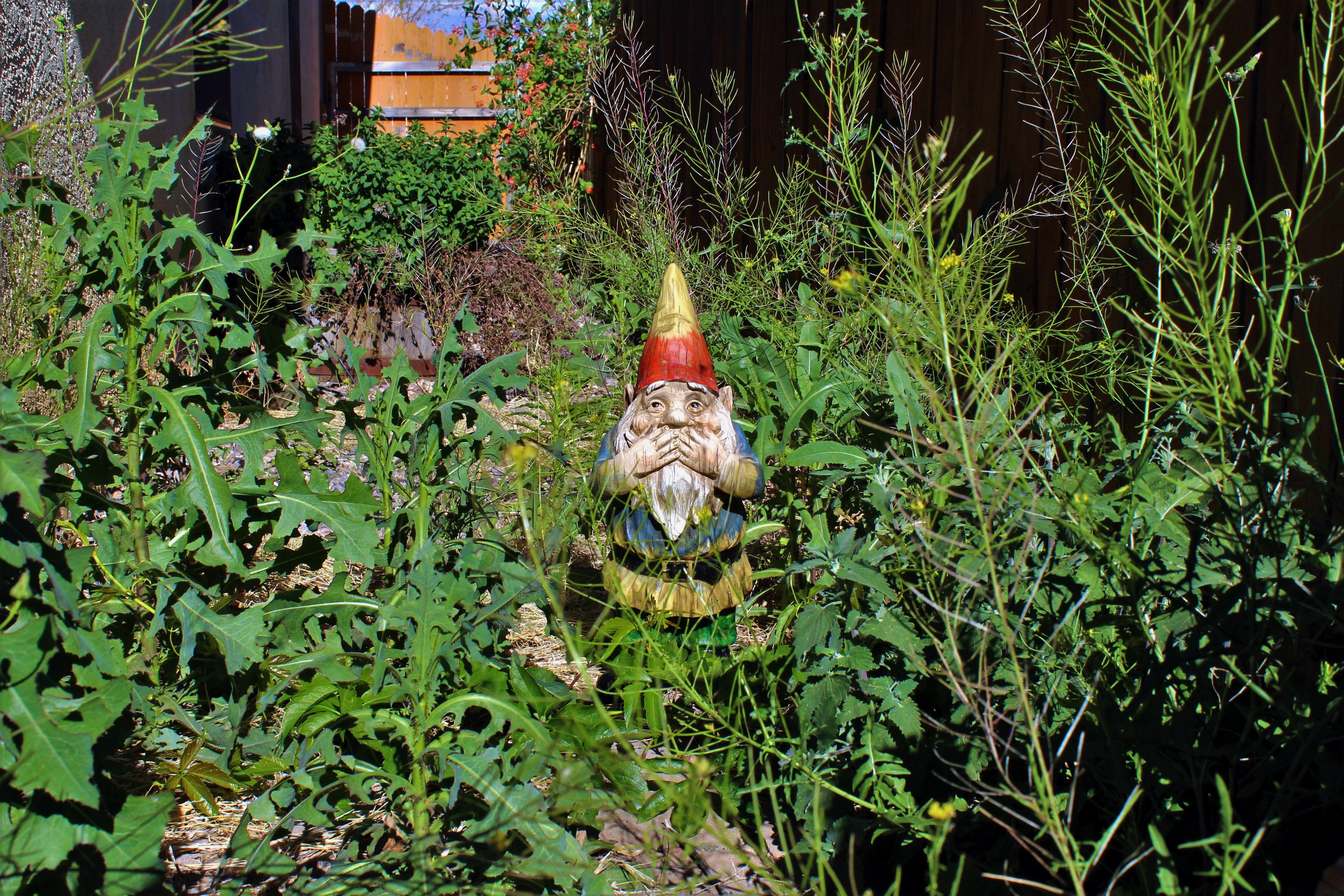
Our first step was conducting a thorough assessment of the existing garden. We identified the key problem areas, which included overgrown plants, poor soil quality, and lack of structure. Understanding these issues was crucial in planning our next steps effectively.
We consulted with the homeowners to understand their vision and preferences. They wanted a low-maintenance garden with vibrant colors and a space for entertaining guests. This input helped us tailor our design to meet their needs.
Design and Planning
With the assessment complete, we moved on to the design phase. Our team created a detailed plan that included:
- A layout for pathways and seating areas
- Selection of plants suited to the local climate
- Incorporation of sustainable gardening practices
We ensured that the design would enhance both the aesthetics and functionality of the garden. Our goal was to create a space that was not only beautiful but also practical for everyday use.

Implementation
Once the design was finalized, we began the implementation phase. This involved clearing out the existing overgrowth and preparing the soil for planting. We improved the soil with organic compost to ensure a healthy environment for new plants.
Next, we introduced a variety of plants, including native species that require less water and maintenance. This choice not only supported local biodiversity but also aligned with the homeowners' desire for a low-maintenance garden.

Adding Features
To enhance the garden's functionality, we installed features such as a stone pathway and a small patio area for seating. These additions provided structure to the garden and created a welcoming space for relaxation and entertainment.
We also integrated a simple irrigation system to ensure that plants received adequate water, especially during the hot summer months. This system was designed to conserve water while keeping the garden lush and thriving.
Results
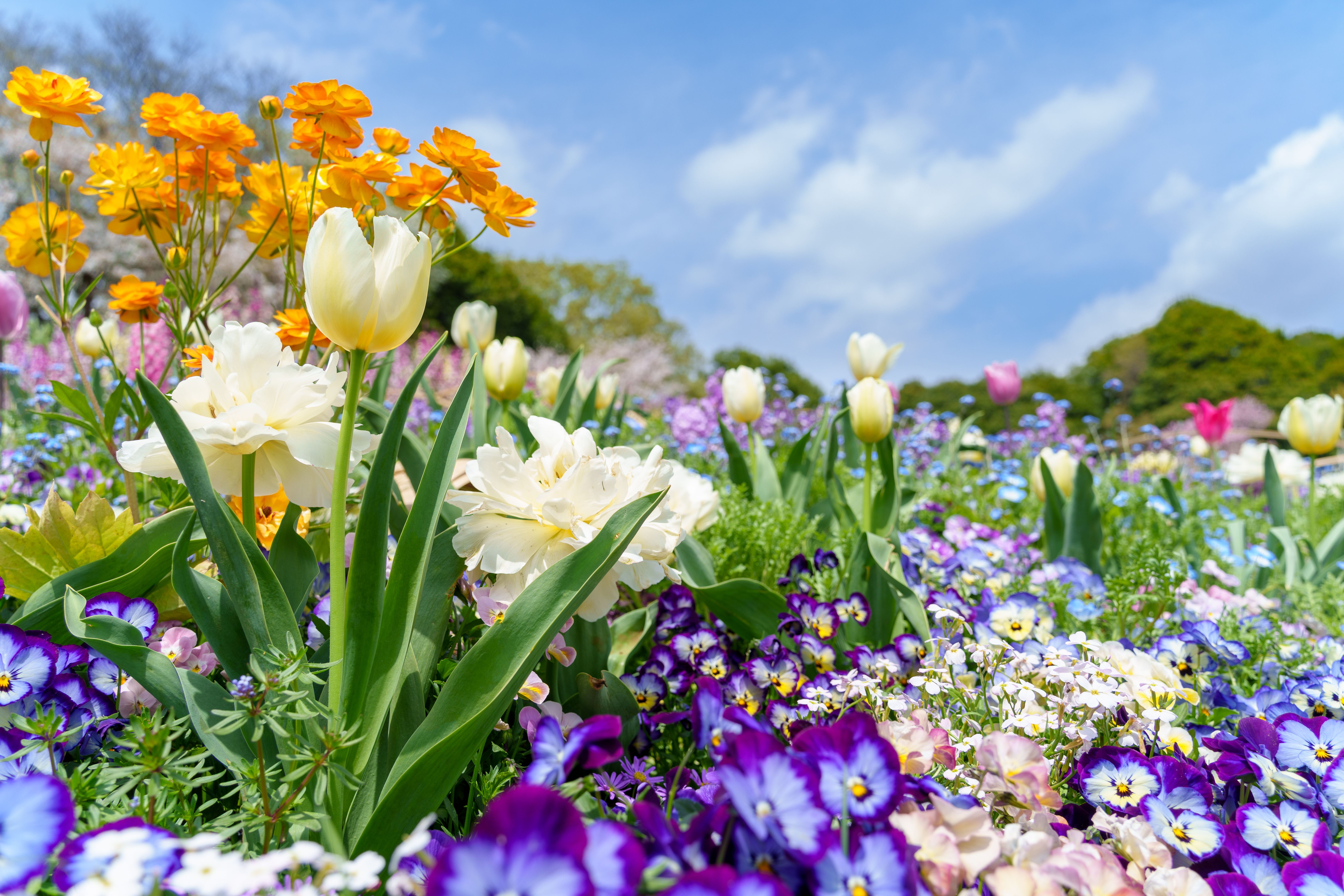
The transformation of the garden was remarkable. What was once a neglected space became a vibrant oasis, full of life and color. The homeowners were thrilled with the outcome, particularly enjoying the low-maintenance aspect of their new garden.
Our project in Andrews Farm serves as a testament to the impact of thoughtful design and sustainable practices. By focusing on the needs of both the environment and the homeowners, we created a garden that will be enjoyed for years to come.
Conclusion
This case study highlights the importance of a strategic approach to garden transformation. Through careful assessment, planning, and implementation, neglected spaces can be revitalized into beautiful and functional areas. If you're considering a garden makeover, take inspiration from this successful project in Andrews Farm.