
Case Study: Transforming a Local Adelaide Garden


Introduction to the Transformation
A local Adelaide garden recently underwent a remarkable transformation, turning a once neglected space into a vibrant oasis. This case study explores the journey from conception to completion, highlighting the strategies and innovations that made it all possible.
Understanding the Challenges
The initial state of the garden was far from ideal. Overgrown weeds, poor soil quality, and a lack of structure posed significant challenges. The goal was to create a sustainable and aesthetically pleasing environment that would thrive in Adelaide's climate.
Assessing the Needs
The first step involved a detailed assessment of the garden's needs. Soil testing and climate analysis were conducted to understand the limitations and potential of the space. This information was crucial in planning the transformation effectively.

Designing the Garden
With a clear understanding of the challenges, a comprehensive design was crafted. The design focused on incorporating native plants, ensuring water efficiency, and creating defined spaces for relaxation and entertainment.
Key Design Elements
- Native Plant Selection: Choosing indigenous plants ensured resilience and reduced water usage.
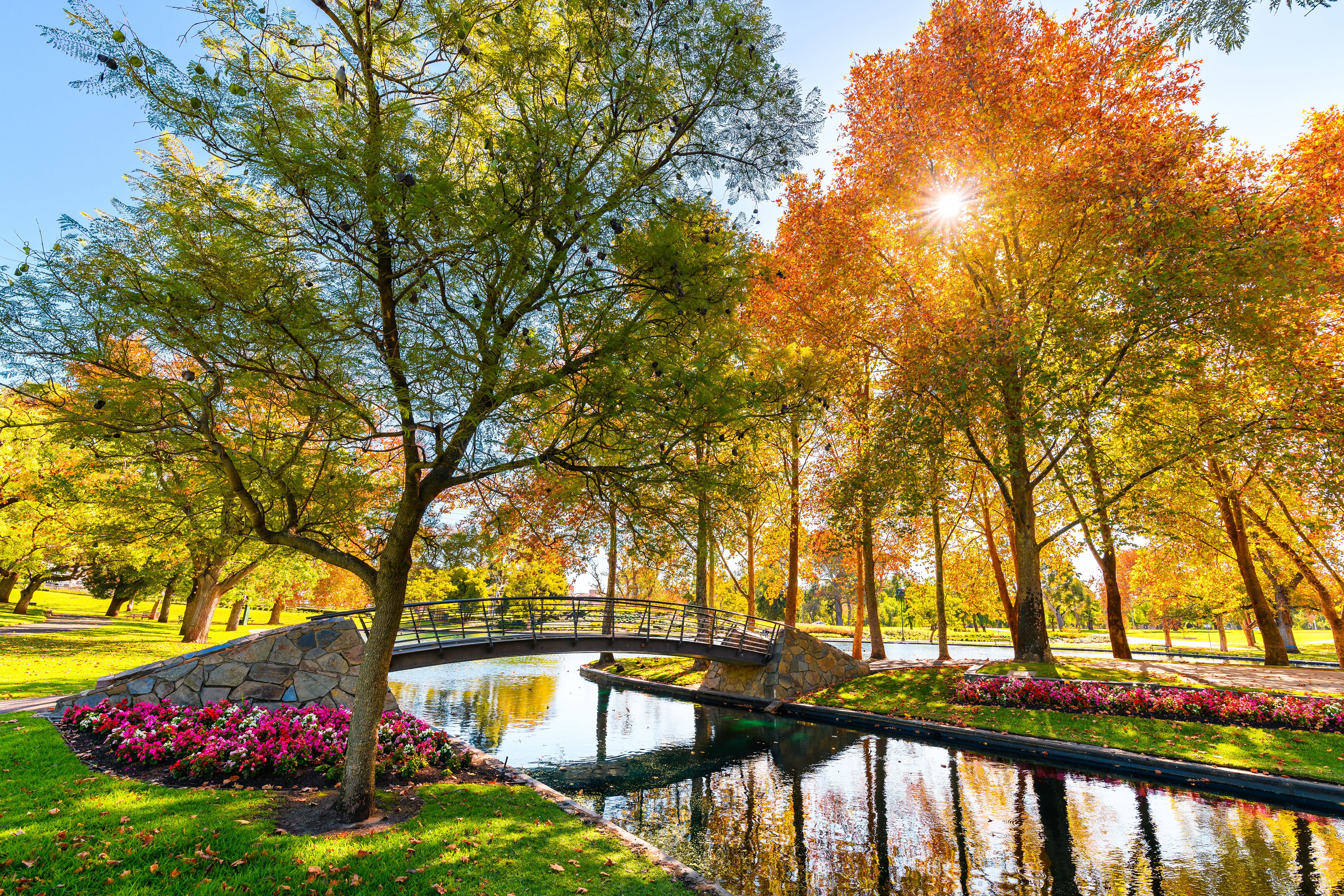
- Water Features: A small pond and a drip irrigation system were included to enhance aesthetics and sustainability.
- Outdoor Living Spaces: Seating areas and pathways were designed to encourage outdoor living and enjoyment.

Implementation and Planting
The implementation phase was meticulously planned. Soil was enriched with organic matter, and the planting was carried out in stages to ensure optimal growth conditions. Mulching and strategic placement of plants reduced water evaporation and weed growth.
Overcoming Obstacles
Weather conditions presented unexpected challenges, requiring adjustments to the timeline. Flexibility and adaptation were key to overcoming these obstacles and ensuring the project's success.
Community Involvement
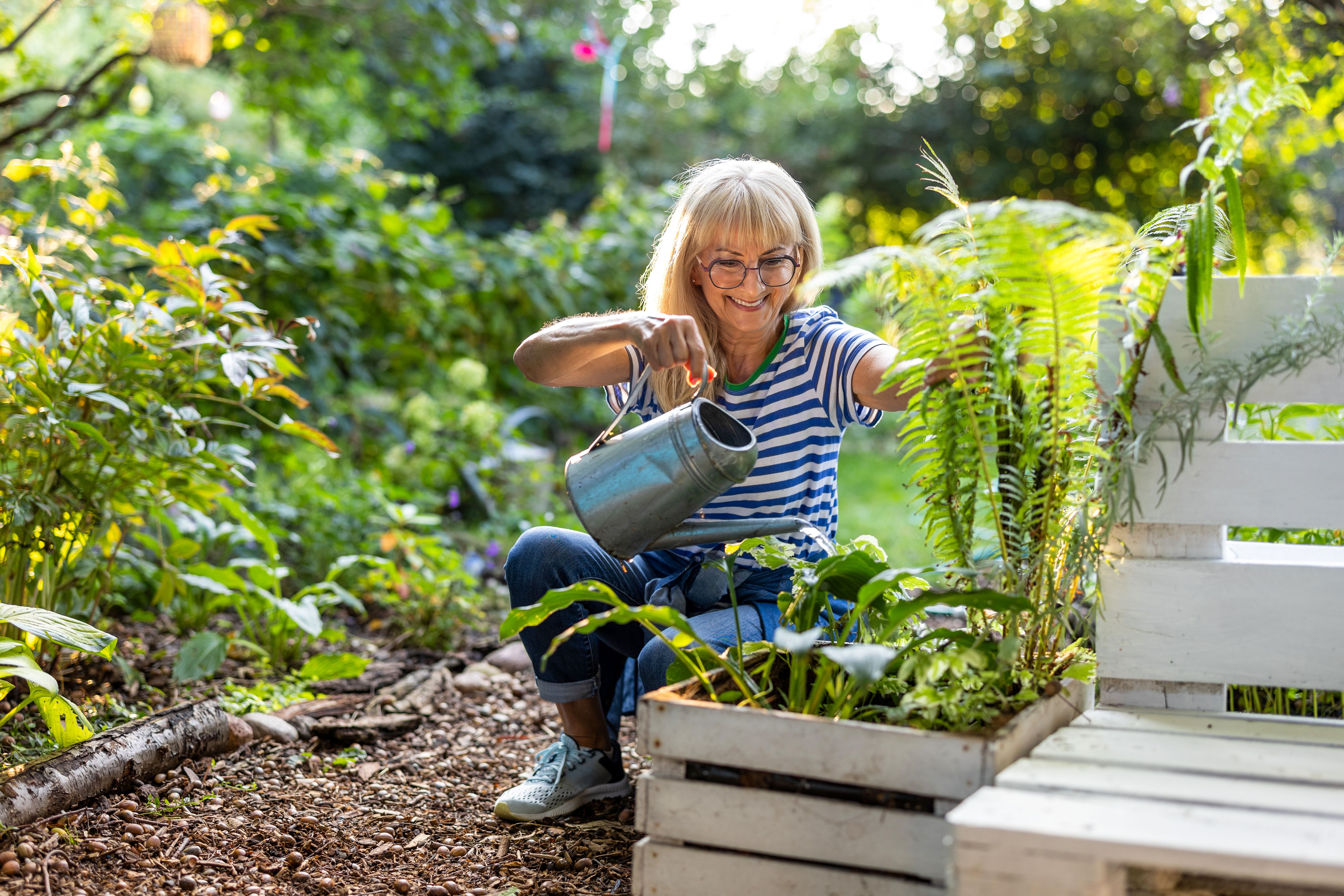
Engaging the local community was a vital part of the transformation. Workshops and volunteer days were organized, allowing residents to participate in the planting and maintenance of the garden. This fostered a sense of ownership and pride among the community members.
The Final Outcome
The transformation was a resounding success. The garden now serves as a beautiful and functional space, attracting local wildlife and providing a serene retreat for the community. Its design and execution offer a blueprint for similar projects in the region.
Lessons Learned
This case study highlights the importance of planning, community involvement, and adaptability in garden transformations. By understanding local conditions and engaging with residents, a neglected space can become a thriving part of the community.